Key Takeaways
-
Legacy tools like Visitor Queue and Leadfeeder miss 97% of anonymous B2B traffic by limiting to company-level ID and lacking automation.
-
Coffee leads as the top alternative with person-level identification (name, email, title, LinkedIn), AI suggested leads, and automated CRM workflows for HubSpot, Salesforce, and Slack.
-
Other strong options include Leadinfo for EU compliance, Albacross for budget-conscious teams, and Warmly for AI engagement, compared across pricing, data coverage, and integrations.
-
2026 trends favor transparent seat-based pricing like Coffee’s over complex tiered models, with premium tools reaching 35–50% identification rates.
-
Transform anonymous visitors into qualified pipeline by deploying Coffee’s automated agent, which removes manual tracking from your workflow.
Visitor Queue & Leadfeeder Alternatives Comparison Table 2026
The table below compares ten leading alternatives across pricing, data depth, integrations, AI capabilities, and ideal fit. Use it to quickly shortlist tools that match your budget, region, and automation needs before diving into the detailed breakdowns.
|
Tool |
Pricing (2026) |
Data Coverage |
Key Integrations |
AI Features |
Best For |
|---|---|---|---|---|---|
|
Coffee |
Seat-based pricing |
Person-level ID + enrichment |
HubSpot, Salesforce, Slack |
Suggested Leads, CRM Agent |
Automated workflows |
|
Leadinfo |
Company-level focus |
Intent scoring |
EU compliance |
||
|
Albacross |
Company + intent data |
20+ integrations |
Intent signals |
Budget-conscious teams |
|
|
LeadPost |
Person ID + remarketing |
Standard CRM sync |
Remarketing automation |
Person-level tracking |
|
|
RB2B |
Tiered pricing |
Person-level US focus |
HubSpot, Salesforce, Slack |
Real-time alerts |
US person identification |
|
Warmly |
$15,000 per year |
Multi-provider waterfall |
Salesforce, HubSpot, Slack |
AI engagement sequences |
Mid-market automation |
|
Leadforensics |
Enterprise-grade depth |
Major CRM platforms |
Advanced analytics |
Enterprise accounts |
|
|
Leadberry |
Tiered pricing |
Company identification |
Basic integrations |
Standard features |
Small businesses |
|
Derrick App |
Subscription model |
Visitor tracking |
CRM connectivity |
Basic automation |
Startups |
|
Factors.ai |
HubSpot, Salesforce, Slack |
Multi-touch attribution |
Analytics-focused teams |
Use this snapshot as a filter. The next sections walk through each platform so you can understand strengths, tradeoffs, and where Coffee fits in.
Top 10 Visitor Queue & Leadfeeder Alternatives in 2026
1. Coffee (Best Overall for Automated B2B Leads)
Coffee stands out by pairing pixel-based visitor identification with an intelligent CRM Agent that automates the full lead workflow. This automation starts with person-level identification, capturing each visitor’s name, title, email, and LinkedIn profile instead of only a company logo. From that data, Coffee’s AI analyzes your buyer persona and suggests the top three prospects within each visiting company, which removes guesswork about who to contact. The CRM Agent then enriches records, logs activities, and syncs everything to Slack and your CRM, all under simple seat-based pricing instead of complex metering.

2. Leadinfo (Best for EU Compliance and Integrations)
Leadinfo suits European teams that need strict GDPR alignment and broad integrations. It offers over 70 integrations including HubSpot, Salesforce, Pipedrive, and Dynamics, which simplifies rollout across existing stacks. The platform focuses on company-level identification with real-time enrichment such as sector, revenue, employee count, and tech stack. Setup remains quick, so EU teams can stay compliant while gaining basic visitor intelligence.
3. Albacross (Best Budget-Friendly Company Tracking)
Albacross gives budget-conscious teams affordable company tracking with intent data. Its entry plan starts at €59/month (billed yearly) for 0–50 identified companies, which keeps costs predictable for smaller volumes. The platform combines firmographic data with behavioral intent signals and connects to standard CRMs. This mix works well for teams that want simple account insights without person-level detail.
4. LeadPost (Best for Person-Level Remarketing)
LeadPost focuses on person-level identification tied directly to remarketing campaigns. Credit-based pricing starts at $189/month and scales with identified visitor volume. The tool captures individual contact details and triggers personalized follow-up sequences across channels. Teams that care most about retargeting known visitors, rather than deep CRM automation, gain the most value here.
5. RB2B (Best for US Person Identification)
RB2B specializes in person-level data for US visitors and offers a free plan with limited monthly matches. Paid tiers expand volume but can introduce surprise costs as traffic grows. Compared with Visitor Queue, RB2B delivers richer contact details, yet it still relies on manual enrichment and routing. Coffee closes that gap by combining similar person-level data with an automated agent that handles the follow-up work.
6. Warmly (Best for AI-Driven Engagement Sequences)
Warmly targets mid-market teams that want AI-powered engagement tied to visitor behavior. Its pricing starts at $15,000 per year, which places it out of reach for many smaller companies. The platform uses multiple data providers to identify visitors and then launches automated outreach sequences. Warmly offers helpful AI hints, yet its person-level accuracy trails Coffee’s more focused identification engine.
7. Leadforensics (Best for Enterprise-Grade Coverage)
Leadforensics serves enterprises that need deep company-level coverage and advanced analytics. Custom pricing requires a demo, which reflects its focus on larger deals and complex deployments. According to Lead Forensics, high-intent leads identified through the platform close at five times the rate of other outreach. Large organizations that can handle bespoke pricing and longer setups often choose it for scale.
8. Leadberry (Best for Simple Small-Business Tracking)
Leadberry offers straightforward company identification for small businesses that want basic visibility. It focuses on simple visitor tracking with core CRM integrations and avoids heavy configuration. Teams that do not need AI, person-level data, or complex workflows can use Leadberry as a light, low-friction option.
9. Derrick App (Best for Startup-Friendly Budgets)
Derrick App targets early-stage startups that need essential visitor tracking and CRM connectivity at a manageable price. Its subscription model keeps costs clear while delivering baseline identification features. Founders who want to move beyond Google Analytics but are not ready for enterprise tools often start here.
10. Factors.ai (Best for Analytics and Attribution Teams)
Factors.ai appeals to teams that care most about analytics and attribution modeling. It offers usage-based pricing and delivers industry-leading 75%+ company-level match rates. Multi-touch attribution and unified intent signals help marketers understand which campaigns drive pipeline. Analytics-heavy organizations gain deep insight, even though person-level automation remains limited.
Start your free Coffee trial to see automated visitor identification and intelligent routing in action.
Why Coffee Becomes the Standout Choice for Automated Leads
Coffee goes beyond tracking by using an intelligent CRM Agent that logs, enriches, and suggests outreach for every identified visitor. Competitors like RB2B and Warmly mainly deliver data, while Coffee turns that data into prioritized actions. The agent studies your buyer persona and recommends the two or three people inside each visiting company you should contact, complete with LinkedIn profiles for fast outbound.

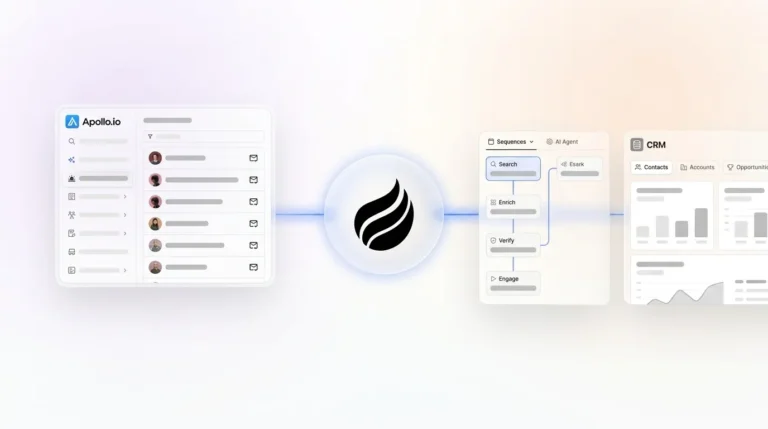
Consider this common flow. A VP at a $10M firm lands on your pricing page, and Coffee sends a Slack alert with the visitor’s name, title, company, and LinkedIn profile. At the same time, it creates an enriched CRM record and suggests tailored outreach, so your team can respond in minutes instead of researching for fifteen. This connected workflow removes the enrichment, scoring, and routing steps that usually sit between identification and outreach.
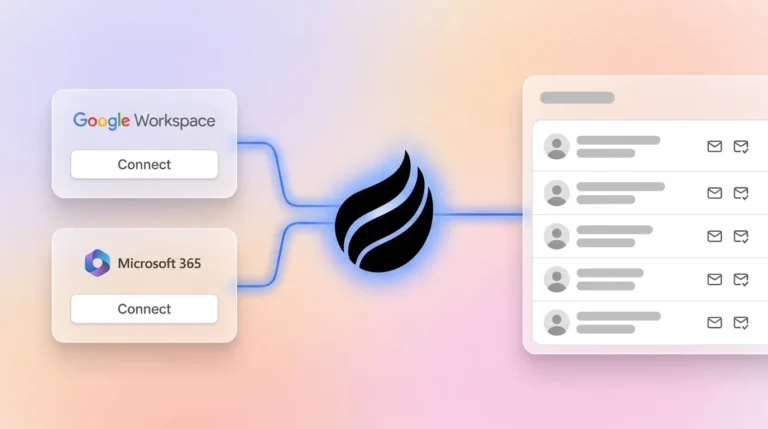
Coffee’s SOC2 compliance and simple setup keep it accessible for teams of any size. This accessibility extends to deployment, since the Standalone CRM option works for teams without an existing CRM, while the HubSpot and Salesforce Companion modes layer automation onto your current stack. That flexibility lets you automate the entire visitor-to-lead journey without restructuring your tools.
Best-Fit Use Cases and How Coffee Fits Each One
Best for SMBs: Coffee Standalone CRM
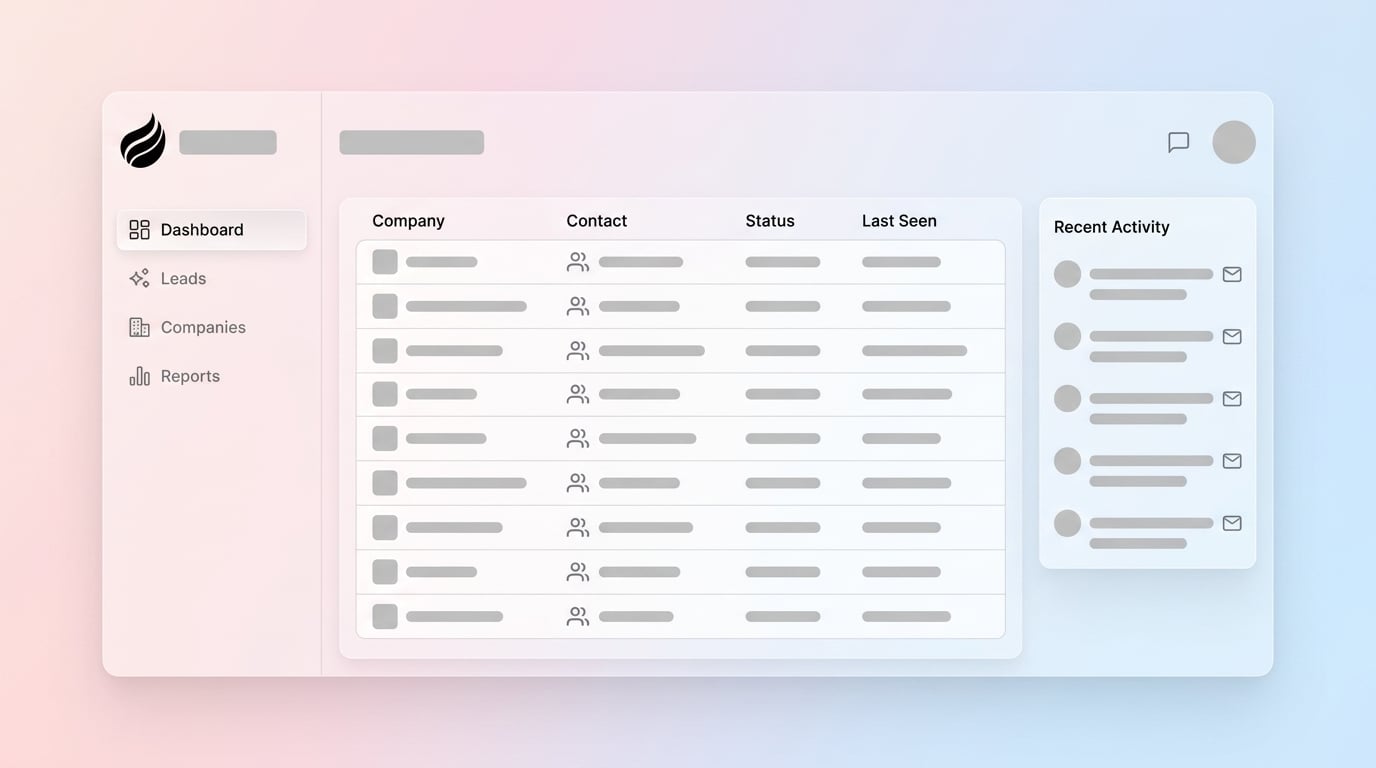
Small and mid-sized businesses gain the most from Coffee’s Standalone CRM, which replaces Visitor Queue, Leadfeeder, and traditional CRMs with one agent-powered platform. This consolidation reduces tool sprawl while improving visitor identification and automated lead management. Teams get a single place to track, enrich, and work every inbound lead.
Best for HubSpot and Salesforce Users: Coffee Companion Agent
Teams already invested in HubSpot or Salesforce can roll out Coffee’s Companion Agent to enhance their current CRM. The agent adds intelligent visitor identification, enrichment, and routing on top of existing workflows. This approach preserves familiar processes while upgrading them with automation.
The core decision comes down to passive trackers that only log visits versus intelligent agents that connect data to action. Coffee bridges that gap by offering both deployment models with the same agent-driven automation.
2026 Pricing Trends and Data Quality Risks
Pricing transparency has become a key buying factor in 2026, since tiered models like RB2B’s can create budget surprises as traffic grows. Coffee’s clear seat-based pricing avoids usage-based overages and keeps forecasting simple for finance and revenue leaders. Teams know exactly what they will pay as they scale.
Data quality still separates premium tools from average ones, with top platforms reaching 35–50% identification rates for excellent tools, 25–35% for good tools, and 15–25% for average platforms. Coffee stays in the excellent range while pairing that quality with more accessible pricing and built-in automation than many premium providers such as ZoomInfo.
Frequently Asked Questions
What is the difference between RB2B and Visitor Queue?
RB2B delivers person-level identification with names, emails, and LinkedIn profiles for US visitors, while Visitor Queue focuses mainly on company-level data. RB2B offers richer visitor details but still requires manual CRM enrichment and routing. Coffee combines RB2B-style person-level data with an automated agent that handles enrichment and lead routing for you.
What is the best Leadforensics alternative for US SMB teams?
Coffee works well as a Leadforensics alternative for US small and mid-market businesses that want enterprise-grade identification without enterprise pricing. Leadforensics relies on custom quotes and heavier setups, while Coffee uses transparent seat-based pricing and quick deployment. Automated CRM workflows then remove manual data entry for lean teams.
How does visitor tracking work with HubSpot when using Coffee?
Coffee’s Companion App connects directly to HubSpot and syncs identified visitors as enriched contacts with behavioral data, page views, and intent signals. The CRM Agent manages data entry, enrichment, and activity logging so HubSpot stays current without manual updates. This approach outperforms basic trackers that only send raw visit logs.
How quickly can teams set up Coffee compared with other tools?
Coffee installs through a simple pixel and direct CRM integrations, which keeps setup fast. Enterprise tools like 6sense or Lead Forensics often require longer implementations and more configuration. Coffee’s lightweight JavaScript snippet and guided agent setup help teams see results quickly.
What makes Coffee’s Suggested Leads feature different?
Coffee’s Suggested Leads feature analyzes your buyer persona and recommends the specific two or three people within each visiting company you should contact. It includes LinkedIn profiles and contact details, so reps can start targeted outreach immediately. Traditional tools usually show only a company name or a long list of undifferentiated contacts, which forces manual research.
See how Coffee’s agent eliminates manual workflows and turns anonymous traffic into qualified pipeline.
Conclusion
The 97% identification gap and manual workflows discussed earlier still slow pipeline velocity in 2026 for teams using legacy tools. Modern alternatives focus on person-level data, automation, and direct CRM integration to close that gap. Coffee leads this shift by pairing comprehensive visitor identification with an intelligent agent that handles enrichment, scoring, and sync automatically.
Whether you want a full CRM replacement or a companion to HubSpot or Salesforce, Coffee’s agent-powered approach delivers automation that passive trackers cannot match. Transform anonymous traffic into qualified pipeline and remove manual visitor tracking from your sales process.