Key Takeaways
- Roughly 98% of B2B website traffic stays anonymous, yet tools like heatmaps, session replays, and funnels still reveal behavior patterns that improve conversions.
- Coffee identifies individual visitors by name, title, LinkedIn profile, and persona suggestions, while tools like Google Analytics and Hotjar only show anonymous activity.
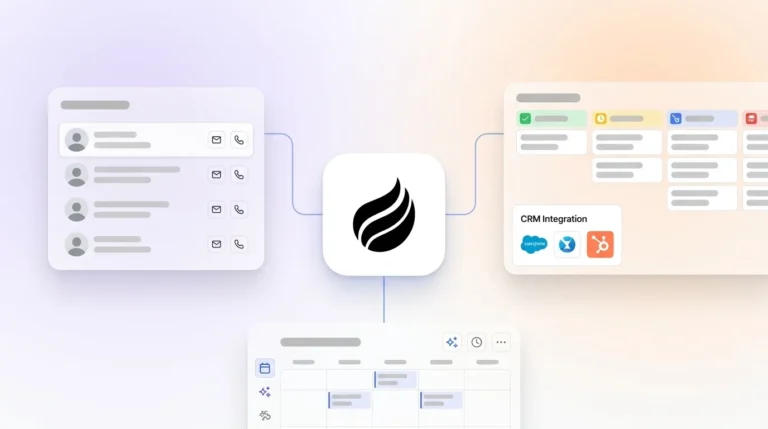
- Native CRM integrations with Salesforce and HubSpot create leads automatically, remove manual analyst work, and free up 8–12 hours each week.
- 2026 privacy laws require consent banners and opt-outs, and Coffee meets these rules while still delivering 10–14x pipeline improvements.
- Transform anonymous traffic into named leads with Coffee’s agent-powered pixel—see pricing and ROI details.
Core Methods to Track Website Visitor Behavior in 2026
Five core tracking methods show how prospects move through your site and where they drop off.
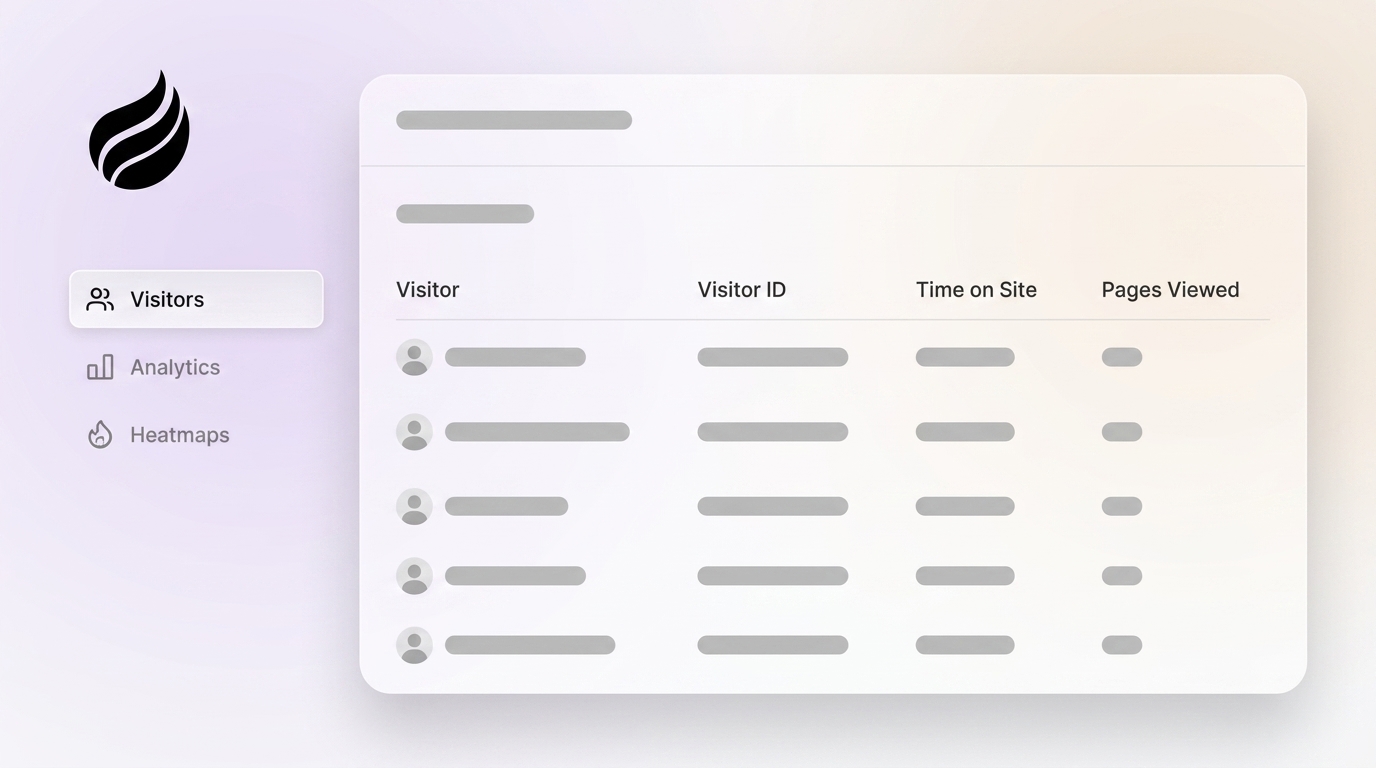
- Heatmaps: Visualize clicks, scrolls, and mouse movements to spot high-engagement areas and friction points.
- Session Replays: Record individual user journeys to see navigation paths, hesitations, and abandonment triggers.
- Event Tracking: Monitor specific actions like button clicks, form submissions, and content downloads.
- Scroll Depth Analysis: Measure how far visitors scroll to refine content placement and find drop-off points.
- Funnel Analysis: Track conversion paths and see where prospects exit the buying journey.
To put these methods to work, follow a five-step implementation process that moves from setup to automation. First, install a tracking code or pixel so data collection can begin. Next, define events and goals that match your conversion objectives. Then build conversion funnels that map the buyer journey across key pages. After that, analyze behavioral patterns to uncover friction and opportunities. Finally, automate CRM alerts for high-intent actions so sales can respond quickly.
Before you roll out any tracking system, address legal and privacy requirements. 2026 privacy regulations require careful compliance. Indiana, Kentucky, and Rhode Island privacy acts effective January 1, 2026, require opt-in consent for sensitive data processing for visitor tracking systems.
11 Best Website Visitor Tracking Tools for B2B in 2026
With the core tracking methods and compliance rules in mind, the next step is choosing a platform that fits B2B lead generation. The comparison below highlights how most tools track anonymous behavior, while only Coffee connects that behavior to named visitors and syncs directly with your CRM.
| Tool | B2B Lead Identification | CRM Integration | Pricing & Key Features |
|---|---|---|---|
| Coffee | Names individuals, persona suggestions, LinkedIn profiles | Native Salesforce/HubSpot sync | Seat-based, agent automation, no analyst needed |
| Google Analytics 4 | Anonymous aggregates only | Basic GA/HubSpot connection | Free, limited behavioral insights |
| Hotjar | Anonymous heatmaps/replays | Zapier integrations | Paid plans available, retains Recordings, Heatmaps, and Recent Team Activity data for 365 days from the date of capture |
| Microsoft Clarity | Session replays, no identification | None native | Free, retains recordings data for 30 days |
| RB2B/Warmly | Company-only identification | Partial CRM sync | $99+, no individual visitor names |
Coffee stands out by identifying individual visitors with names, titles, and LinkedIn profiles while providing AI-powered persona suggestions, capabilities missing from traditional analytics tools that only show anonymous behavioral data.

How Coffee Handles Website Visitor Identification for B2B
Coffee’s visitor identification turns anonymous traffic into actionable leads through a clear five-step process.
- Generate Pixel: Create a custom tracking script in the Coffee dashboard.
- Install Code: Add a single line to your website’s <head> tag.
- Verify Setup: Confirm that the pixel fires correctly and data flows into Coffee.
- Real-time Intelligence: View visitor names, titles, emails, LinkedIn profiles, and page activity as they browse.
- CRM Automation: Create contacts automatically with enriched data and persona suggestions.
Coffee’s ROI metrics show measurable pipeline impact, with users reporting 10–14x pipeline improvements mentioned in the key takeaways. The visitor identification technology converts previously anonymous traffic into named leads, which expands pipeline coverage and lowers cost per lead.
This capability gap has major implications for B2B sales teams. Traditional tools like Google Analytics 4 and Hotjar provide only anonymous behavioral data without visitor identification, so sales teams must wait for form submissions before they can engage prospects. Coffee bridges this gap by connecting anonymous behavior to named individuals, which enables immediate outreach and CRM enrichment, often days or weeks before a prospect would have filled out a form.

Install Coffee’s pixel in 5 minutes and start naming visitors today.
Privacy, Legal Requirements & No-Analyst Shortcuts for 2026
The 2026 state privacy laws mentioned earlier require specific technical controls that go beyond basic consent banners. Legal compliance requires consent banners, IP anonymization, opt-out mechanisms, recognition of universal opt-out signals like Global Privacy Control, and enhanced transparency in data processing disclosures. New state privacy laws effective January 1, 2026, including Indiana INCDPA, Kentucky KYCDPA, and Rhode Island RIDPA, mandate recognition of universal opt-out signals and enhanced transparency for visitor tracking.
Coffee’s agent automation removes the need for dedicated analysts by processing visitor data, creating CRM records, and suggesting next actions automatically. These automated workflows recover the time typically spent on manual visitor behavior analysis and data entry, the 8–12 hours weekly mentioned earlier, and let teams focus on outreach instead of data processing.

Privacy-compliant tracking in this context means using consent management, honoring Global Privacy Control signals, and keeping detailed data processing records so your tracking remains aligned with regulatory expectations.
Best-Fit Use Cases & ROI Metrics for Coffee
Coffee serves two main B2B segments that use the platform in different ways. Small businesses using Coffee as a standalone CRM report 30% lead velocity improvements through automated visitor identification and persona matching. Mid-market companies, which usually already run Salesforce or HubSpot, deploy Coffee as a companion tool to gain better pipeline visibility and reduce manual data entry without replacing their core CRM.
Conversion benchmarks reveal the opportunity cost of anonymous traffic. Average B2B visitor-to-lead conversion rates range from 1.5–2.5%, with top performers reaching 8–15%. These benchmarks reflect form-based conversion only, so the 98% of visitors who never fill out forms stay invisible in these numbers. Visitor identification tools help companies move from bottom quartile (sub-1%) to top quartile performance by turning previously invisible traffic into named leads, which expands the top of the funnel without increasing traffic volume.
These pipeline gains translate into clear revenue impact. Coffee users report million-dollar pipeline attribution from visitor identification, and they connect closed-won deals back to leads that first appeared as anonymous website visitors.
Risks & Decision Framework for Visitor Tracking Tools
| Tool Category | Primary Risks |
|---|---|
| Hotjar/Heatmap Tools | Data retention limits, no visitor identification |
| Google Analytics | Anonymous data only, complex setup |
| Coffee | None: Data warehouse, privacy compliant |
Use this four-question checklist to evaluate visitor tracking tools, with “yes” answers signaling a stronger B2B fit. Does it identify individual visitors by name, not just company? Does it sync natively with your CRM to automate lead creation? Is it 2026 privacy compliant with built-in consent management? Does it require dedicated analyst resources to extract value, or does it automate insights?
See Coffee’s pricing and start converting anonymous visitors.
Frequently Asked Questions
What are free ways to track website visitor behavior?
Google Analytics 4 and Microsoft Clarity provide free visitor behavior tracking. GA4 offers funnel analysis, event tracking, and audience insights, while Clarity provides unlimited session recordings and heatmaps. Both tools, however, only show anonymous behavioral data, which limits their value when you need named leads for sales outreach. For B2B lead generation that depends on contactable prospects, Coffee’s visitor identification pixel turns anonymous traffic into actionable leads with contact details and persona suggestions.
How does Hotjar compare to Coffee for B2B visitor tracking?
Hotjar excels at visualizing anonymous visitor behavior through heatmaps, session recordings, and user feedback widgets. It helps teams find website friction points and specific areas to improve. Coffee focuses on B2B lead generation by identifying individual visitors with names, job titles, email addresses, and LinkedIn profiles. While Hotjar shows what anonymous visitors do, Coffee reveals who they are and offers AI-powered suggestions for which prospects to contact, which makes it more valuable for building a sales pipeline.
How long does visitor tracking setup take?
Coffee’s visitor identification pixel installs in under 5 minutes by adding a single line of code to your website’s head tag. The system starts identifying visitors right away and populates your CRM with enriched contact data. Traditional analytics tools like Google Analytics need more complex configuration with goal setup, conversion tracking, and custom event implementation, which often takes hours or days to configure correctly.
Is website visitor tracking legal in the US for 2026?
Visitor tracking remains legal in 2026 when you use proper consent mechanisms and follow privacy rules. New state privacy laws effective January 1, 2026, require consent banners, opt-out mechanisms, and recognition of Global Privacy Control signals. Coffee maintains compliance with all applicable privacy regulations, including GDPR, CCPA, and new state laws, through built-in consent management and data processing controls.
What ROI can B2B companies expect from visitor identification?
B2B companies can see major pipeline coverage gains from visitor identification compared to form-only lead capture. Coffee users report million-dollar pipeline attribution from converting anonymous traffic to named prospects. The technology cuts cost per lead while increasing the total number of identified leads, which creates strong ROI from pipeline that would otherwise stay anonymous.