Last updated: March 30, 2026
Key Takeaways for SPICED in B2B SaaS
-
SPICED methodology (Situation, Pain, Impact, Critical Event, Decision) fits mid-market B2B SaaS deals of $10k-$75k ACV with 1-6 month cycles and 1-3 stakeholders.
-
Use targeted questions for each SPICED stage: establish situation with context questions, uncover root pains, quantify business impact with ROI, surface urgency with critical events, and map decision processes.
-
AI automation like Coffee captures SPICED insights from calls, emails, and transcripts, eliminating manual CRM data entry that wastes 71% of reps’ time.
-
Most teams roll out SPICED in 30-60 days using CRM custom fields, training, and coaching, then track success through increased selling time (35% to 50%+), higher qualification accuracy, and faster pipeline velocity.
-
SPICED outperforms MEDDIC for mid-market and BANT for complex SaaS, so you can automate your SPICED qualification with Coffee and standardize your process.
Step-by-Step SPICED Execution for B2B SaaS
Step 1: Uncover Situation with AI-Powered Briefings
The Situation stage sets clear context about the prospect’s current environment and business model. Effective Situation questions include: “What’s a typical day like for you and your team?”, “I saw that your company recently expanded. How is that going?”, and “What’s your main focus for this quarter in terms of business goals?”
For B2B SaaS, steer the conversation toward their tech stack and sales workflow. Ask questions like “What CRM are you currently using?” and “How many tools does your sales team toggle between daily?” Coffee’s agent prepares meeting briefings with context on attendees, roles, and past interactions so reps show up informed.

Pro tip: Avoid generic discovery questions that could apply to any prospect. Instead, use enrichment data to personalize your approach. Coffee’s agent enriches contacts with LinkedIn profiles and funding data, which supports targeted situation questions like “I noticed your Series B funding, how has that changed your go-to-market priorities?” This specificity shows preparation and builds credibility from the first interaction.
Step 2: Identify Pain with Workflow-Specific Questions
Pain identification moves beyond surface symptoms and uncovers root causes that block revenue. Recommended Pain questions include: “What’s the most significant bottleneck your team faces right now?”, “Are there any specific processes that seem to slow things down for you?”, and “How is your team currently handling [specific challenge]?”
For SaaS teams, concentrate on workflow inefficiencies that drain selling time. Ask “How much time does your team spend on manual data entry?” and “What happens when your CRM data is incomplete during pipeline reviews?”
Capturing these nuanced pain points during discovery calls while keeping a natural conversation flow often feels difficult. Reps juggle note-taking and active listening, so they miss critical details. Coffee’s agent automatically logs pain points from call transcripts and email conversations, then structures insights according to SPICED methodology without manual note-taking.

Step 3: Quantify Impact with ROI Templates
Impact quantification turns pain into clear business consequences that matter to leadership. Key Impact questions include: “Are these challenges impacting your revenue or market share?” “What would resolving this issue mean for your team’s productivity?”, and “Do you have data on how these problems affect customer satisfaction?”
Use specific ROI calculations tailored to B2B SaaS motions. Ask “If your reps spend 71% of their time on data entry instead of selling, what is the revenue impact?” or “How much pipeline visibility are you losing due to incomplete CRM data?” The recommended Impact question is: “If this problem continues for another 12 months, what’s the cost to the business?” This question helps quantify outcomes like losing $200k in pipeline every quarter due to poor forecasting.
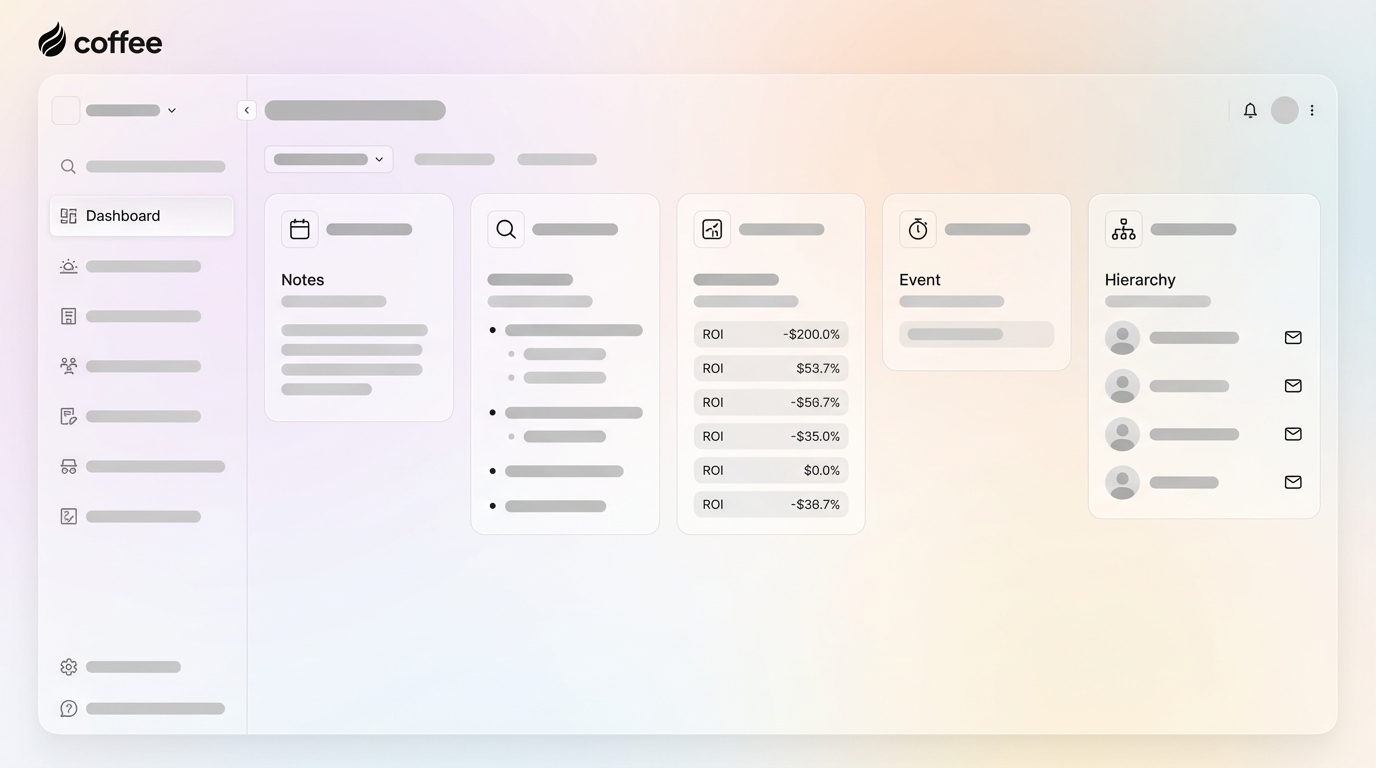
Coffee’s Compare feature visualizes pipeline changes week over week. That view helps prospects see the real cost of manual tracking inefficiencies in their own data.
Step 4: Establish Critical Event Urgency
Critical Events create urgency by tying the problem to time-sensitive business drivers. Essential Critical Event questions include: “Is there a specific deadline for solving this problem?” “Are there any contracts or vendor agreements expiring soon?” “How do upcoming budget reviews affect your current priorities?”, and “Are there any regulatory changes coming that could impact your operations?”
For SaaS companies, anchor urgency in growth milestones and external commitments. Ask “Are you preparing for a funding round where accurate pipeline forecasting is critical?” or “Do you have quarterly business reviews where leadership expects better sales visibility?” Critical Event examples include fiscal year planning, board meetings, competitor threats, or new regulations.
Step 5: Map Decision Process with Stakeholder Intelligence
Decision mapping clarifies all stakeholders and the criteria they use to evaluate solutions. Key Decision questions include: “How do you typically finalize decisions like this with your team?”, “What’s your timeline for implementing a new solution?” “Who are the other decision-makers involved in this process?”, and “Who else is involved in evaluating solutions for your team?”
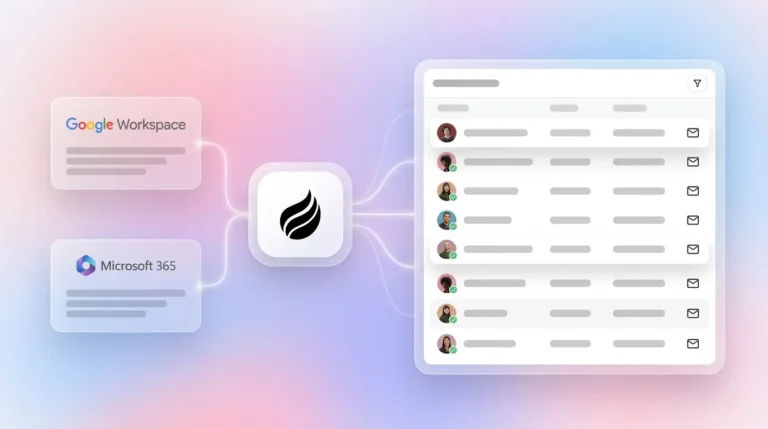
Coffee’s List Builder feature helps identify decision-makers with natural language commands such as “Find me all VPs of Sales at companies using Salesforce with recent funding.” The recommended Decision question is: “Who else needs to be involved in evaluating this? What criteria will you use to compare options?” This approach maps the decision process, including economic buyers and stakeholders.

CRM Setup and Automation for Reliable SPICED Tracking
Reliable SPICED execution depends on structured CRM configuration and automation. Create custom fields in Salesforce or HubSpot for each SPICED component: Situation Notes, Pain Points, Impact Quantification, Critical Events, and Decision Criteria.
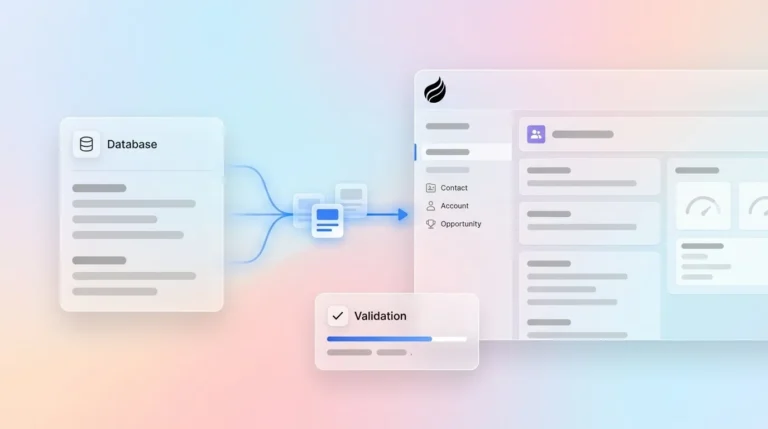
Coffee’s Companion App connects to existing Salesforce and HubSpot instances and structures notes according to SPICED methodology using call transcripts, emails, and calendar data. Coffee’s agent then generates automated summaries and follow-ups after each call, so reps leave every meeting with clear next steps.

Many teams rely on point solutions like Gong or ZoomInfo and then stitch data together manually, which slows adoption. Coffee unifies conversation intelligence, data enrichment, and CRM automation in a single agent. The system populates your CRM fields automatically, which removes the 8-12 hours per week that reps typically spend on manual data entry.
See how Coffee automates SPICED tracking and keeps your CRM updated without extra work from your reps.
Measuring SPICED Success and Avoiding Common Pitfalls
Teams measure SPICED success through a few core metrics. Track selling time increasing from roughly 35% to 50% or more, qualification accuracy improving by 20-50%, and pipeline velocity accelerating by about 30%. Improving sales professional skills using the SPICED framework drives 78% more annual recurring revenue (ARR).
Common pitfalls include inconsistent application without coaching, treating SPICED as a rigid checklist instead of a conversational guide, and weak CRM adoption caused by heavy manual data entry. Even the strongest qualification framework fails if sales reps do not use it, managers do not coach to it, and leadership does not track it.
Coffee’s agent addresses these challenges through consistent automated qualification. As described earlier, the system captures insights without manual input and keeps SPICED fields updated. Managers gain full visibility into qualification quality without chasing reps for CRM hygiene.
SPICED vs Other Qualification Frameworks for SaaS
Choosing the right qualification framework for your sales motion shapes ramp time, forecast accuracy, and deal quality. The comparison below highlights when SPICED, MEDDIC, or BANT fits best so you can align your process with deal size and complexity.
|
Framework |
Best For |
Sales Cycle |
SaaS Fit |
|---|---|---|---|
|
SPICED |
Mid-market B2B SaaS |
1-6 months |
Excellent for $10k-$75k ACV |
|
MEDDIC |
Enterprise complex deals |
6-12+ months |
Good for $100k+ ACV |
|
BANT |
Transactional SMB |
30-60 days |
Limited for complex SaaS |
SPICED enables most sales teams to implement it in 30-60 days with basic training and provides full customer journey coverage from first touch through expansion. Companies like Cuebiq achieved a 50% decrease in sales cycle length after implementing SPICED.
How Coffee Automates SPICED Qualification
Coffee’s AI agent handles the full SPICED qualification workflow from capture to CRM updates. The system pulls situation context, pain points, impact details, critical events, and decision criteria from emails, calendar events, and call transcripts without manual data entry. Coffee then populates your CRM with structured SPICED fields so every opportunity follows the same standard.
SPICED for SaaS Founders and Early-Stage Teams
SPICED works well for founder-led sales in early-stage B2B SaaS companies. The methodology supports discovery-heavy conversations that dominate startup sales cycles. SPICED fits deals with 1-6 month cycles, $10k-$75k ACV, and 1-3 key stakeholders, which matches typical mid-market SaaS motions.
Typical SPICED Implementation Timeline for B2B SaaS
Most B2B SaaS teams implement SPICED within 30-60 days when they invest in training and coaching. Success depends on building discovery question libraries, running role-play sessions, and setting up consistent call review routines. Coffee accelerates adoption by structuring SPICED insights automatically, which shortens the learning curve for new and existing reps.
SPICED vs MEDDIC for SaaS Companies
SPICED emphasizes emotional and business impact through shorter discovery cycles. MEDDIC focuses on organizational mechanics for complex enterprise deals with formal buying processes. SPICED suits mid-market SaaS with 1-6 month cycles and $10k-$75k ACV, while MEDDIC fits enterprise deals over $100k ACV with 6-12+ month cycles and structured procurement.
Using SPICED with Your Existing CRM
SPICED fits smoothly into Salesforce, HubSpot, and other major CRM platforms through custom fields and automation workflows. Coffee’s Companion App enhances your current CRM by automatically populating SPICED qualification data while you keep your existing system of record.
Execute SPICED at scale with Coffee’s agent handling the qualification grind. Stop wasting the majority of your team’s time on manual CRM updates, as most reps spend over two-thirds of their day on non-selling activities, and shift focus back to closing deals.
Start your free trial today and see how automation transforms your qualification process.