Key Takeaways
-
Buying intent data captures concrete signals like website visits, content downloads, and search queries that reveal active B2B research behavior.
-
Key 2026 trends show 80% of deals go to pre-favored vendors, so intent data becomes essential for surfacing anonymous demand early.
-
Top providers such as Coffee, Bombora, and 6sense differ in signal depth, integration effort, and pricing, with Coffee offering AI-powered CRM sync.
-
Successful rollouts rely on pixel installation, persona matching, real-time alerts, and automated workflows that prevent noisy, low-value data from overwhelming sales.
-
Teams using Coffee achieve 2x pipeline growth and 35% more selling time by replacing manual spreadsheet tracking with automated visitor identification; start your free Coffee trial to see these results in your own pipeline.
Executive Overview: Buying Intent Data for B2B Sales Teams
Buying intent data sales refers to actionable signals from website visits, content consumption, search behaviors, and technology changes that indicate B2B buyers actively research solutions in your category. This market has evolved rapidly, with AI-powered visitor identification and persona matching driving growth from several billion dollars today to a projected $20.89 billion by 2035. This growth reflects a fundamental shift in how sales teams operate, because intent data fixes CRM gaps by surfacing anonymous demand before prospects raise their hands.
Sales teams then prioritize hot leads effectively instead of relying on outdated form-based capture alone. 38% of B2B marketers cite prioritizing accounts for prospecting as one of their primary goals when using intent data, yet many struggle with signal quality, CRM integration, and ROI measurement. A practical framework for success centers on signal accuracy, seamless CRM synchronization, cost efficiency, and measurable pipeline impact.
Market Context and 2026 Trends in Intent Data
The shift from legacy form-based lead capture to AI-powered intent detection reflects fundamental changes in B2B buying behavior. 80% of B2B deals are won by vendors buyers favored before first contact, and 94% of deals are won by vendors on the buyer’s Day-1 shortlist. Modern buyers spend most of their journey in independent research, so traditional outbound approaches alone now miss a large share of in-market demand. Intent data providers have evolved from standalone tools such as Bombora’s topic surge tracking to integrated AI agents such as Coffee’s Visitor Identification that automatically sync named prospects to CRM systems. The market now offers three primary approaches: enterprise platforms like 6sense and Bombora, free solutions such as GA4 analytics, and integrated agent-powered systems that handle the entire pixel-to-pipeline workflow without manual intervention. Regardless of which approach you choose, success depends on tracking the right signals and turning them into timely sales actions.

Top Buying Intent Signals for Sales Prioritization
The most effective B2B buying intent signals for sales prioritization include:
-
Website visits – Multiple page views, time on pricing pages, and frequent return visits.
-
Content downloads – Whitepapers, case studies, and product comparisons that show deeper evaluation.
-
Search queries – Solution-specific keywords and competitor research that reveal active consideration.
-
Technology installations – Stack changes that indicate readiness for new tools or replacement projects.
-
Funding events – Investment rounds that create fresh budget and expansion plans.
-
Job postings – Hiring for roles that rely on your solution category, signaling upcoming initiatives.
-
AI-matched personas – Behavioral patterns indicating specific buyer types that match your ICP.
Coffee’s Suggested Leads feature extends basic visitor identification by using AI to recommend specific individuals within visiting companies who match your ideal buyer persona. This approach streamlines the move from signal detection to targeted sales outreach.

How Buying Intent Data Flows Through Sales Workflows
Effective buying intent data implementation follows a clear workflow that sales and marketing teams can trust. The process starts with signal capture through tracking pixels, then continues with data enrichment via LinkedIn and database matching. Next, lead scoring ranks accounts and contacts based on fit and behavior, followed by automated CRM synchronization that prepares records for sales action. Coffee’s AI agent manages this entire process automatically, logging enriched prospects directly to Salesforce or HubSpot with complete context such as visit history, company details, and persona recommendations. Best practices emphasize real-time or sub-hourly sync cadences, because high-intent signals decay rapidly and timing strongly influences sales effectiveness. The agent approach removes manual data entry and keeps accurate data flowing into CRM systems for reliable pipeline insights and forecasting.
Provider Comparison Matrix: Coffee vs Enterprise Platforms
The following table compares how leading providers differ in signal types, integration approaches, and total cost of ownership, helping you match each option to your team’s skills and budget.
|
Provider |
Signals |
CRM Integration |
Pricing/Ease/ROI |
|---|---|---|---|
|
Bombora |
Batch sync |
$25k-$80k/yr, complex setup, achieved a 342% return on investment over three years |
|
|
6sense |
Native Salesforce |
||
|
ZoomInfo |
Contact enrichment + intent |
SalesOS/HubSpot |
pricing ranges from $7,000 to $156,289 based on purchase data, with reported signal noise issues |
|
Coffee (Visitor ID) |
Named visitors + personas + Suggested Leads |
Auto-sync via AI agent |
Coffee emerges as the top choice for teams that want a complete pixel-to-pipeline solution that saves 8-12 hours weekly through automated prospect identification. That time previously went into manual data entry, which the automated sync now eliminates entirely.
Try Coffee’s visitor identification to experience the difference of agent-powered intent data.
Strategic Considerations for Evaluating Intent Data Providers
Beyond comparing feature sets, successful intent data adoption requires aligning your provider choice with your team’s specific constraints and capabilities. Successful procurement starts with a few core factors: team size and complexity, existing CRM infrastructure, and budget range. Coffee often fits SMB and mid-market teams, while companion solutions pair well with Salesforce or HubSpot in more complex environments, and enterprise platforms typically start around $10k per year with higher seat and data costs.
Each of these factors involves trade-offs such as signal breadth versus accuracy, setup complexity versus time-to-value, and standalone versus integrated approaches. To navigate these trade-offs systematically, your evaluation checklist should include 1) ICP alignment, 2) Signal testing with sample accounts, 3) Integration capabilities, and 4) Pilot ROI measurement. Teams also need to consider signal decay rates, refresh cadences, and automation capabilities, because manual processes quickly become bottlenecks as volume grows.
Implementation and Integration Guide for Sales Teams
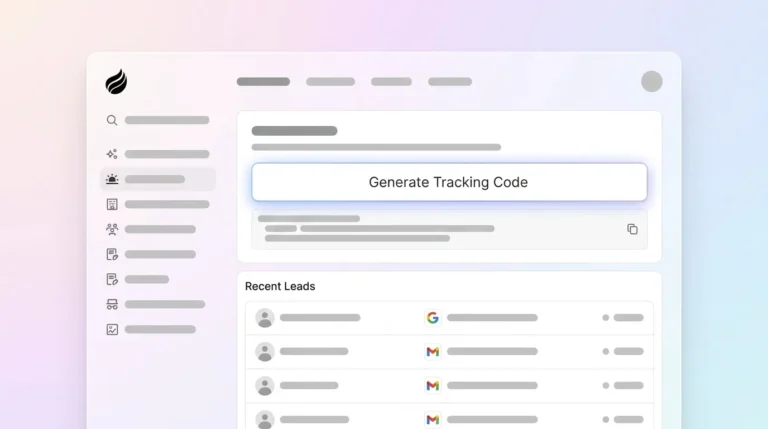
Intent data deployment follows five critical steps that keep projects on track and measurable. First, install the tracking pixel in your website header. Second, configure buyer personas and scoring thresholds that reflect your ICP and sales stages. Third, set up real-time alerts and notifications so sales sees high-intent activity quickly. Fourth, authenticate CRM integration through Google or Microsoft OAuth to enable secure syncing. Fifth, monitor signal quality and conversion rates to refine scoring and workflows over time.
Common pitfalls include poor data mapping and duplicate record creation, which Coffee’s agent architecture avoids through intelligent deduplication and automated enrichment. Free approaches often combine GA4 analytics with Coffee’s visitor identification to achieve broad coverage without enterprise-level complexity. Implementation usually completes within hours for agent-based solutions, while traditional platforms that require custom configuration and IT support often take weeks.
Common Pitfalls and How to Prove ROI
Intent data implementations frequently fail when teams accept noisy signals, misalign CRM fields, or skip building actionable workflows. DemandScience reports 25% of marketing budgets waste on campaigns that appear productive but never drive deals, which highlights the value of signal quality over raw volume. Coffee addresses these challenges through AI-powered signal filtering, native CRM integration, and automated workflow creation that routes only qualified prospects to sales.
The pipeline growth and time savings mentioned earlier come from a company generating tens of millions in ARR that eliminated manual spreadsheet tracking entirely with Coffee’s automated agent. That team achieved 35% more selling time and 2x pipeline growth, which demonstrates clear ROI from disciplined intent data implementation.
FAQ
What are the best intent data providers for 2026?
Coffee leads for integrated pixel-to-pipeline solutions, while 6sense and Bombora serve complex enterprise needs. The matrix above compares key capabilities, and Coffee delivers a strong balance of ease, accuracy, and affordability for growing teams.
Can I get intent data for free?
Coffee offers free trials and pairs well with GA4 analytics for basic visitor tracking. However, named visitor identification and automated CRM sync require paid solutions to deliver reliable business impact.
How does Bombora compare to Coffee?
Bombora provides topic-level company surge data that still requires manual interpretation and routing. Coffee delivers named individuals with persona matching and automatic CRM sync, which makes Coffee significantly easier to deploy and use for most sales teams.
Does intent data integrate with HubSpot?
Yes, Coffee’s AI agent syncs automatically with both HubSpot and Salesforce through native integrations. This setup removes manual data entry and keeps records updated in real time.
Is buying intent data secure?
Coffee maintains SOC 2 Type 2 compliance and GDPR standards, which ensures enterprise-grade security for all visitor identification and data processing activities.
What are some buying intent data sales examples?
Coffee’s Visitor Identification has helped companies uncover anonymous website visitors, automatically enrich their profiles, and route qualified prospects to sales teams. These workflows create measurable pipeline increases and reduce manual prospecting time.
Conclusion: Turning Traffic into Qualified Pipeline
Buying intent data sales turns anonymous website traffic into qualified pipeline opportunities when teams implement it with clear workflows and strong data hygiene. Coffee’s AI agent offers a direct path from visitor identification to CRM integration, removing manual processes while improving signal accuracy for sales.
Explore Coffee’s pricing options today to turn your website traffic into instant, qualified leads.