Last updated: March 30, 2026
Key Takeaways from SPICED and Coffee
-
SPICED methodology (Situation, Pain, Impact, Critical Event, Decision) shortens sales cycles and doubles close rates by centering every conversation on buyer context instead of product features.
-
SPICED works especially well for mid-market B2B SaaS with 1-6 month cycles and $10k-$75k ACV deals, where consultative selling matters.
-
Teams see faster qualification when they roll out SPICED with manager training, scorecards, scripted questions, call qualification, weekly reviews, and clear metrics.
-
Coffee’s AI agent pulls SPICED data from calls and emails automatically, saves reps 8-12 hours each week, and syncs with Salesforce, HubSpot, or a standalone CRM.
-
Start automating your SPICED workflow with Coffee to remove manual logging and turn more qualified deals into revenue.
How the SPICED Sales Methodology Works
SPICED, developed by Winning by Design, stands for Situation, Pain, Impact, Critical Event, and Decision. This customer-centric framework reshapes discovery conversations by keeping attention on the buyer’s world instead of your feature list. Teams implementing SPICED drive 78% more annual recurring revenue through deeper qualification and stronger urgency.
|
SPICED Step |
Focus |
Sample Questions |
|---|---|---|
|
Situation |
Current business context |
“What’s a typical day like for your team?” |
|
Pain |
Specific challenges |
“What’s your biggest bottleneck right now?” |
|
Impact |
Quantified consequences |
“How do these issues affect revenue?” |
|
Critical Event |
Urgency triggers |
“Is there a deadline driving this?” |
|
Decision |
Buying process |
“Who else evaluates solutions like this?” |
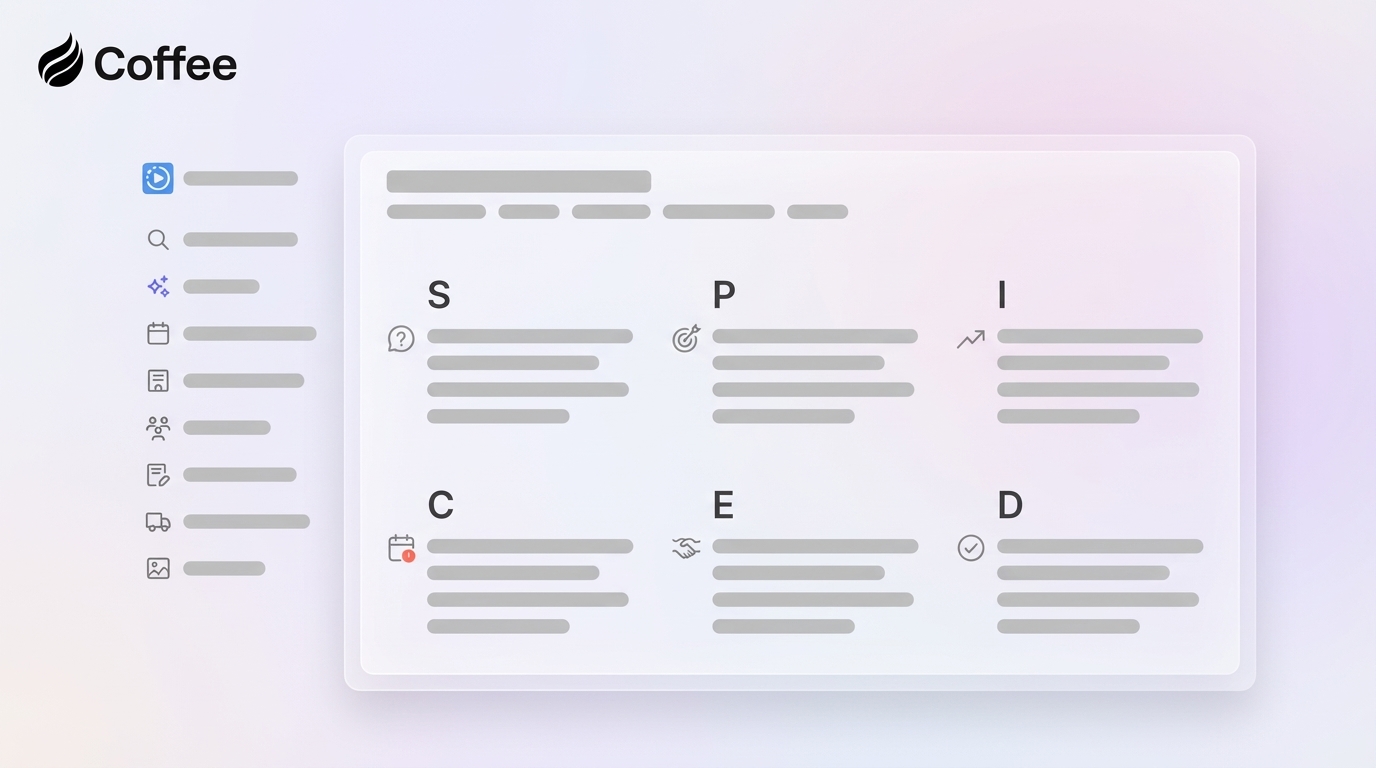
Coffee’s AI agent automatically structures call notes and email insights using SPICED components. This keeps data capture consistent while removing the need for manual CRM entry.

SPICED vs BANT vs MEDDIC for Revenue Growth
Now that SPICED’s core pieces are clear, the next step is to see how it compares to other qualification frameworks. Modern B2B sales require more than simple budget checks, and each methodology fits different deal types and sales cycles.
|
Criteria |
SPICED |
BANT |
MEDDIC |
|---|---|---|---|
|
Best For |
Mid-market B2B SaaS |
High-volume transactional |
Complex enterprise |
|
Sales Cycle |
1-6 months |
30-60 days |
6-12+ months |
|
Deal Size |
$10k-$75k ACV |
Under $20k ACV |
$75k+ ACV |
|
Focus |
Pain, Impact, Urgency |
Budget, Authority |
Metrics, Champion |
SPICED supports 30-60 day adoption with a coaching-friendly conversation structure, which suits US SMBs and mid-market companies. Coffee supports SPICED, BANT, and MEDDIC, yet delivers the strongest impact when automating SPICED through AI-powered call analysis and email parsing.
Step-by-Step SPICED Rollout Plan for Revenue Teams
This six-step rollout plan helps your team apply SPICED consistently across every opportunity.
1. Train Sales Managers First
Train managers before reps so they can model strong methodology execution. Run role-plays that highlight Pain and Impact exploration, since these SPICED components create the most value in discovery.
2. Build a SPICED Scorecard
Define clear qualification criteria for each SPICED stage and each pipeline stage. Coffee’s pipeline compare feature then tracks SPICED completion rates across opportunities, so managers can see where deals stall.
3. Script Targeted Discovery Questions
Customize questions by buyer role and pain points rather than relying on rigid scripts. The table below shows how to tailor your discovery approach for each SPICED step, so reps gather the specific details they need to qualify deals with confidence.
|
SPICED Step |
Discovery Questions |
|---|---|
|
Situation |
“Walk me through your current process” / “Any recent expansions?” |
|
Pain |
“What bottlenecks slow you down?” / “What would an ideal process look like?” |
|
Impact |
“What is the cost of these delays?” / “How does this affect team productivity?” |
|
Critical Event |
“Is there a specific deadline?” / “What happens if this slips?” |
|
Decision |
“Who evaluates solutions like this?” / “What is your typical approval process?” |
4. Qualify Every Call
Ask follow-up questions that dig into pain points and uncover root causes. When prospects give vague answers, steer the conversation toward concrete numbers and timelines, so you can quantify impact with specific metrics and build a clear business case.
5. Review Pipelines Weekly
Run weekly deal reviews using SPICED criteria to surface gaps in qualification data. Use these sessions to coach reps on better questions and to clean up stages that no longer match reality.
6. Measure Results
Track conversion rates from the first meeting to a qualified opportunity for each segment. Teams often see 25% faster qualification within 90 days when they apply SPICED consistently and coach to the framework every week.
Supercharge SPICED with AI Using Coffee
Legacy CRMs create a core problem for SPICED execution. Seventy-one percent of sales reps lose time to manual data entry, which leaves only 35% of their week for actual selling. Systems like Salesforce and HubSpot depend on humans to enter SPICED data, so qualification becomes inconsistent, and revenue opportunities slip through the cracks.
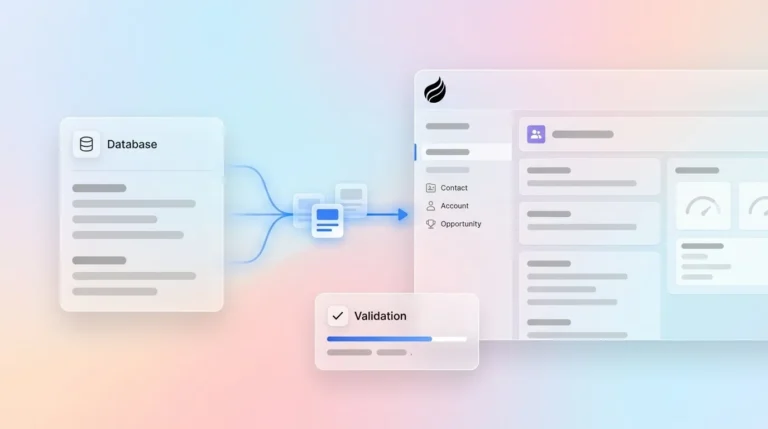
Coffee’s AI agent fixes this by extracting SPICED insights from call transcripts and email conversations automatically. The agent flags Pain statements, quantifies Impact metrics, and records Critical Event timelines without any manual CRM logging. Unlike fragmented tools like Gong that still require extra data entry, Coffee writes structured SPICED notes directly into your system of record.
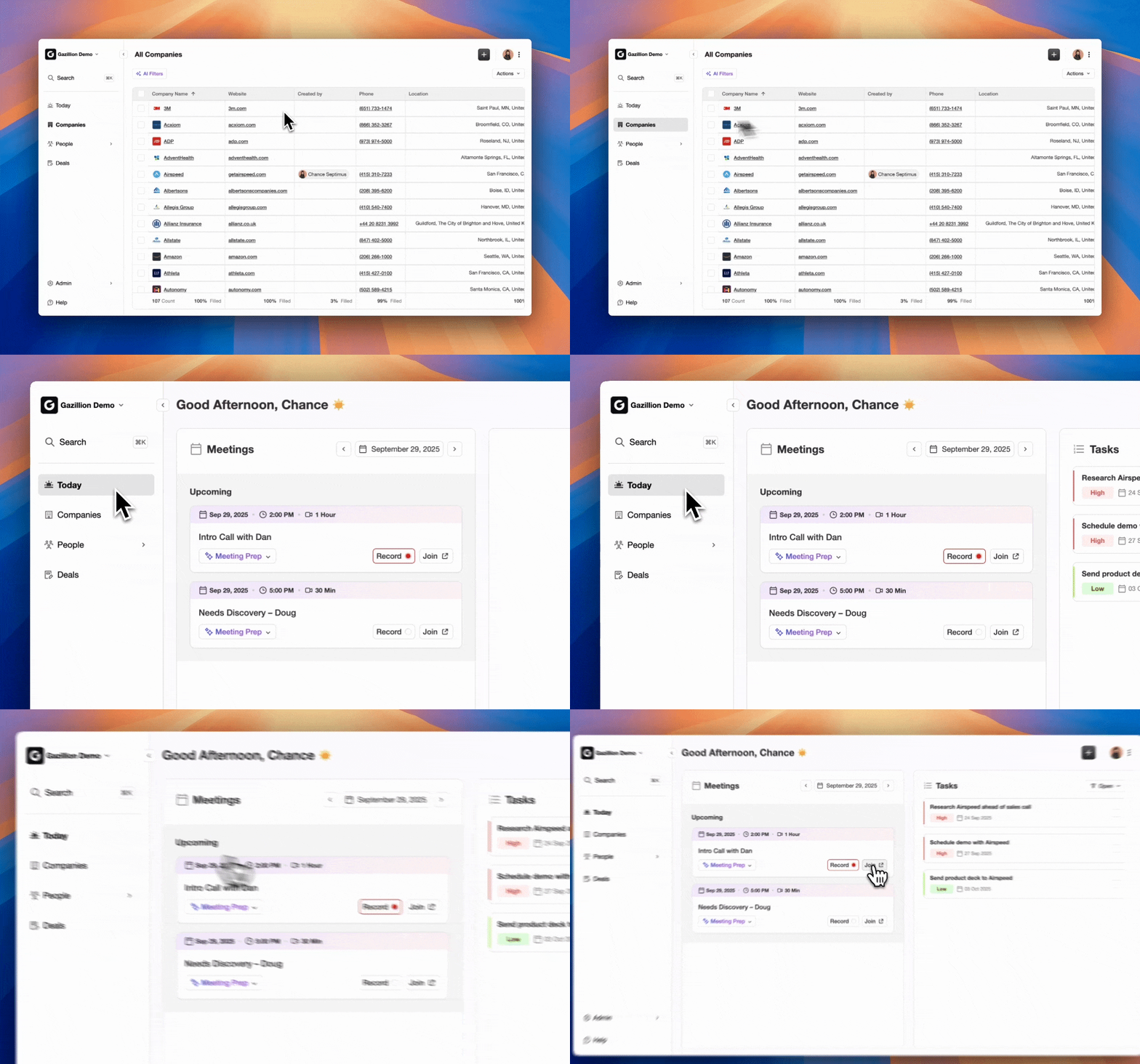
Coffee works as a standalone CRM for growing teams or as a companion app on top of existing Salesforce or HubSpot instances. The agent saves each rep 8-12 hours per week while keeping SPICED data complete and consistent. Teams using Coffee’s automated SPICED capture report 2x faster deal closure and more accurate forecasts.

Eliminate manual SPICED logging with Coffee so your reps can spend their time on conversations that move revenue forward.
SPICED Training, Templates, and Metrics Across Teams
Sales enablement teams create stronger content when they map assets to SPICED stages, including competitive battlecards and qualification cheatsheets. AI-powered role-play exercises help reps practice SPICED conversations at scale and receive targeted feedback on question quality and objection handling.
RevOps alignment keeps SPICED field mapping consistent across CRM systems. Coffee automatically fills custom fields based on AI analysis, which removes mismatches between your sales methodology and your data structure. Teams report a 30% improvement in pipeline visibility when SPICED data flows cleanly from conversations into forecasting dashboards.
Case Study: $10M ARR Team Doubles Close Rates with SPICED Automation
A custom AI solutions company with tens of millions in revenue managed sales through spreadsheets and knew that manual processes would not scale. The team rejected Salesforce and HubSpot because they wanted to avoid heavy data entry and low adoption.
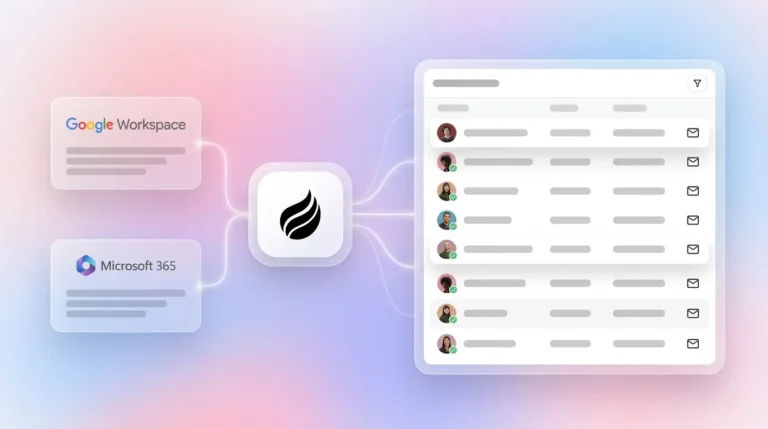
After rolling out Coffee’s AI agent, automated contact creation from Google Workspace kept their CRM accurate without extra effort from reps. The Pipeline Compare feature supported weekly reviews, and API access powered custom SPICED briefings for leadership. The company achieved 2x faster deal closure and saw smooth adoption of a consistent qualification methodology across the team.

Conclusion and Next Steps with SPICED and Coffee
SPICED methodology increases revenue by deepening qualification and creating urgency, yet manual execution often holds teams back. Coffee’s AI agent captures SPICED data from calls and emails automatically, so your team can apply the framework consistently without CRM busywork. Scale your SPICED rollout with Coffee’s List Builder for targeted prospecting and cleaner outreach.

See how Coffee’s automation boosts revenue through hands-free SPICED execution across your entire pipeline.
Frequently Asked Questions
How does Coffee automate SPICED methodology execution?
Coffee’s AI agent joins calls and analyzes email conversations to extract SPICED components automatically. The agent identifies Situation context, Pain statements, Impact numbers, Critical Event timelines, and Decision process details, then structures this data in your CRM without manual entry. This keeps SPICED qualification consistent across every opportunity.
What is the difference between SPICED and MEDDIC for revenue growth?
SPICED centers on customer pain and urgency, which fits mid-market B2B SaaS deals with 1-6 month cycles. MEDDIC focuses on metrics and champion development for complex enterprise sales that run 6-12 months or longer. SPICED supports faster team adoption and consultative selling, while MEDDIC offers deeper qualification rigor for large deals with many stakeholders.
What are the essential SPICED framework questions for each stage?
Situation questions explore the current context, such as “Walk me through your typical process.” Pain questions surface specific challenges, for example, “What is your biggest bottleneck?” Impact questions quantify consequences, like “How do delays affect revenue?” Critical Event questions uncover urgency, such as “Is there a specific deadline driving this?” Decision questions map the buying process, including “Who else evaluates solutions like this?”
How does SPICED compare to the traditional BANT qualification?
SPICED delivers deeper customer understanding through pain-focused discovery, while BANT offers quick checks on budget, authority, need, and timeline. SPICED fits complex B2B sales that require a consultative approach and multiple conversations. BANT works better for high-volume transactional sales with short cycles. SPICED builds urgency through Critical Events, while BANT centers on existing budget allocation.
What revenue metrics improve with consistent SPICED implementation?
Teams that apply SPICED consistently report significant gains in annual recurring revenue, faster qualification cycles, and 2x improvement in close rates. The framework’s focus on Impact quantification and Critical Event urgency shortens sales cycles and raises win rates compared to traditional qualification methods. Automation then keeps execution consistent by removing manual data entry barriers.