Key Takeaways
- The MEDDIC framework strengthens enterprise B2B qualification and helped Parametric Technology Corporation grow from $300M to $1B in revenue.
- Master Metrics, Economic Buyer, Decision Criteria, Decision Process, Identify Pain, and Champion through 30+ targeted questions and call scripts.
- Poor qualification wastes 65% of selling time, while structured MEDDIC supports 49% higher win rates on forecasted deals.
- AI agents automate MEDDIC note-taking and CRM logging, saving 8-12 hours weekly and keeping qualification consistent across deals.
- Use Coffee’s autonomous CRM Agent to double win rates and remove manual qualification busywork.
Why MEDDIC Mastery Matters in 2026 Enterprise B2B Sales
Poor qualification creates a cascade of inefficiencies across enterprise sales teams. Without a clear framework, reps chase unqualified deals and spend hours logging fragmented notes. Sales reps then spend too much time on data entry, leaving only 35% for actual selling activities. This lack of structure directly affects win rates. Organizations with formal sales enablement programs achieve 49% higher win rates on forecasted deals, and those programs typically include structured qualification frameworks like MEDDIC.
The 2026 AI shift gives sales teams autonomous agents like Coffee that capture MEDDIC-structured notes during meetings and log qualification data directly to CRM systems. This automation removes the manual grind of post-call updates and keeps every opportunity aligned to the same qualification standard across your sales organization.

MEDDIC Framework Components for Enterprise Deals
Before exploring how AI supports MEDDIC, clarify what the framework measures in each opportunity. MEDDIC provides six critical qualification categories for enterprise B2B success:
- Metrics: Quantifiable ROI targets and KPIs driving the purchase decision
- Economic Buyer: The executive with final budget authority and veto power
- Decision Criteria: Formal evaluation factors and procurement requirements
- Decision Process: Step-by-step approval workflow and timeline
- Identify Pain: Urgent business problems creating compelling events
- Champion: Internal advocate promoting your solution when you are not present
Best Metrics Questions for Enterprise B2B Sales
Metrics questions uncover the quantifiable business impact required to justify enterprise investments. Focus on revenue growth, cost reduction, and efficiency gains that resonate with C-level stakeholders.
Discovery Metrics Questions
“What are your current business goals, particularly those focused on cost savings, efficiency, or revenue growth?” This Storylane-recommended question establishes the foundation for ROI discussions.
“Which metrics do you track to measure success in achieving these goals?” This question identifies specific KPIs your solution must influence.
“What does success look like for you and your team? Are there any specific KPIs or metrics you hope to improve with our solution?” This Highspot-recommended discovery question connects your offering to measurable outcomes.
“Do you have any goals in terms of revenue growth?” and “What is your timeline for achieving these goals?” are DealHub-recommended questions that establish urgency and scope.
“What are the quantifiable economic benefits of your solution? Get hard numbers: revenue gain, cost savings, or risk reduction.” This Salesmotion question for enterprise deals demands specific financial justification.
Metrics Qualification Script
“I would like to understand the business impact you are targeting. Walk me through your current performance against key metrics like revenue per customer, operational efficiency, or cost per transaction. What specific improvements would make this project a clear win for your organization? How do you currently measure ROI on technology investments of this scale?”
Expected outcome: Quantified targets that support a compelling business case. To keep these numbers consistent across your team, Coffee’s Agent automatically logs the discussed metrics to your CRM’s opportunity fields during the call and removes the usual post-meeting data entry.
Best Economic Buyer Questions for Enterprise B2B Sales
Economic Buyer identification keeps deals from stalling with influencers who lack budget authority. Enterprise purchases usually require C-level or VP approval for significant investments.
Economic Buyer Discovery Questions
“Within your organization, who ultimately has the final say on purchasing decisions for solutions like ours?” This Storylane question directly identifies decision-making authority.
“Who has the final authority to create and release the budget?” This Salesmotion-recommended question cuts through organizational complexity.
“Who is your organization’s go-to person for this business area? Do they need to see the product in action before giving the green light to buy it?” This Highspot discovery question reveals both authority and engagement requirements.
“Who decides if this project is worth investing in financially?” and “Can you talk me through your budget allocation process?” are DealHub-recommended questions for mapping financial decision-making.
Best Decision Criteria Questions for Enterprise B2B Sales
Decision Criteria questions reveal the formal evaluation framework used by procurement teams and technical stakeholders in enterprise organizations.
Decision Criteria Discovery Questions
“What specific, formal criteria will the company use to evaluate vendors?” This Salesmotion question uncovers procurement requirements.
“What are the most critical factors when evaluating solutions like ours?” and “How do you typically measure the return on investment (ROI) for this type of project?” are Storylane-recommended questions for understanding evaluation priorities.
“What are your non-negotiables, as far as features go?” and “What is the most you are willing to invest in a solution to your problem?” These DealHub questions identify must-have capabilities and budget constraints.
“What is the most important factor you use to evaluate and decide on the best solution? Do you have a specific budget?” This Highspot discovery question prioritizes evaluation factors.
Best Decision Process Questions for Enterprise B2B Sales
Decision Process mapping prevents surprises by revealing approval workflows, stakeholder involvement, and timeline expectations in complex enterprise environments.
Decision Process Discovery Questions
“How will the company decide? This includes the timeline, key players, and technical and legal approval steps.” This comprehensive Salesmotion question maps the entire approval workflow.
“Can you walk me through the typical steps of your company’s purchasing process?” and “What is your anticipated timeline for making a decision, and are there any potential approval hurdles we should be aware of?” These Storylane questions reveal process complexity.
“What was the process the last time you purchased [similar product]? Can you walk me through your team’s steps to decide on it?” This Highspot question uses historical precedent to predict the current path.
Automate decision process tracking with Coffee’s Agent to ensure you never miss a milestone or stakeholder touchpoint.
Best Identify Pain Questions for Enterprise B2B Sales
Pain identification uncovers urgent business problems that create compelling events and drive purchase decisions in enterprise organizations.
Pain Discovery Questions
“What is the specific, urgent business problem forcing them to act now?” This Salesmotion question identifies compelling events.
“What are the biggest challenges you are currently facing in achieving your business goals?” and “What are the potential consequences if you do not address these issues?” These Storylane questions quantify problem impact.
“What motivated them to start looking for a solution?” and “How much time or money do they estimate they lose because of these issues?” These DealHub questions establish financial urgency.
“What are the main problems or bottlenecks you are experiencing? How is this affecting the business?” This Highspot discovery question connects operational issues to business impact.
Best Champion Questions for Enterprise B2B Sales
Champion development creates internal advocates who promote your solution during stakeholder discussions when you are not present.
Champion Identification Questions
“Who on the inside is selling on your behalf when you are not there and has a vested personal interest in your success?” This Salesmotion question identifies true advocacy.
“Who stands to benefit most from resolving the challenges we discussed within your organization?” and “How much influence does this person have on key stakeholders involved in the decision-making process?” These Storylane questions assess champion potential.
“Is there someone within your organization who has influence, speaks positively about our solution, and can help us advocate for it internally?” This Highspot discovery question directly requests internal support.
How to Use These Questions in Enterprise Call Scripts
Sales teams see the most value from MEDDIC when they embed these questions into natural conversation flows that still build rapport.

Initial Discovery Call Script
“I would like to understand your current situation and goals. What specific business challenges are driving you to evaluate solutions like ours? Who else is involved in addressing these challenges, and what does success look like from a metrics standpoint? This context helps me understand if we are a good fit and how we might work together.”
Expected outcome: MEDDIC foundation established in 30 minutes. Coffee’s meeting bot captures and structures responses automatically.
Pain Deep-Dive Script
“Let us dive deeper into the impact of these challenges. What is the cost of inaction if these problems persist? Who feels this pain most acutely in your organization? What is driving the urgency to solve this now versus six months from now?”
Expected outcome: Compelling event identified with quantified business impact.
Champion Development Script
“Based on our discussions, it sounds like this solution would significantly affect your team’s performance. How do you typically advocate for new initiatives internally? Who else should understand these benefits? What information would help you build a compelling case with your leadership team?”
Expected outcome: Internal advocate equipped with business case materials.
The 2026 Game-Changer: AI Agents for Automated MEDDIC Qualification
These scripts show the depth of qualification required for enterprise success and also highlight MEDDIC’s execution challenge. Traditional MEDDIC implementation fails because sales reps struggle with consistent execution and manual note-taking across many complex conversations. Modern conversation intelligence platforms automatically track sales reps’ adherence to MEDDIC frameworks during sales calls and flag qualification gaps in real time.
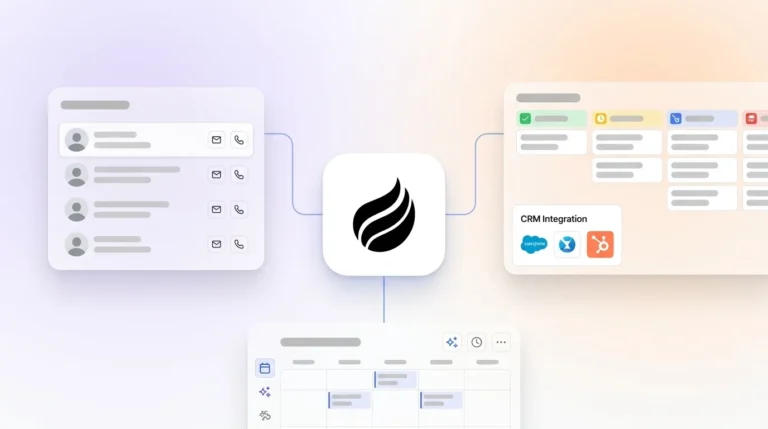
Coffee’s autonomous Agent joins your calls, structures MEDDIC summaries automatically, and enriches qualification data compared with the legacy grind of manual CRM updates. This approach saves 8-12 hours per week and keeps framework adherence consistent. The Agent works as both a Standalone CRM and a Companion App for existing Salesforce or HubSpot instances.

Eliminate qualification busywork and double your win rates with Coffee’s automated MEDDIC execution.
Common MEDDIC Mistake in Enterprise Sales and Fix
Generic qualification questions miss the nuanced requirements of Fortune 500 procurement processes. Enterprise buyers expect vendors to understand their specific industry challenges, regulatory requirements, and organizational complexity before the first call. To avoid this mistake, Coffee’s Agent enriches prospect data and suggests contextual questions based on company size, industry, and previous interaction history, so your MEDDIC questions match each buyer’s situation instead of sounding generic.
Conclusion and Next Steps for Enterprise Teams
These MEDDIC questions and scripts provide a practical foundation for enterprise B2B qualification. Manual execution still limits impact and creates inconsistent results across your sales team. Coffee’s autonomous Agent delivers consistent MEDDIC implementation and removes data entry busywork. Transform your qualification process from manual busywork into a competitive advantage with Coffee.
Frequently Asked Questions
What is the difference between MEDDIC and MEDDPICC for enterprise sales?
MEDDIC focuses on six core qualification categories that fit most enterprise B2B deals. MEDDPICC adds Paper Process, which covers legal and administrative requirements, and Competition, which covers competitive landscape analysis. For Fortune 500 deals that involve complex procurement workflows, MEDDPICC provides additional structure. Coffee’s Agent supports both frameworks and automatically structures notes according to your preferred methodology.
How does MEDDIC integrate with Salesforce for enterprise teams?
Coffee’s Companion App logs MEDDIC qualification data to custom Salesforce fields and removes manual data entry while keeping your existing workflow. The Agent captures qualification insights from calls, emails, and meetings, then writes structured summaries directly to opportunity records. This approach keeps MEDDIC adherence consistent across your entire sales organization without changing your current tech stack.
What is the ROI impact of AI-powered MEDDIC qualification?
Sales teams using AI assistance see significant performance improvements across key metrics. As noted earlier, structured qualification frameworks drive the 49% win rate improvement seen in organizations with formal enablement programs. Additionally, teams with accurate, actively managed pipelines see 28% more revenue growth year-over-year. Coffee’s automated MEDDIC qualification removes time wasted on manual CRM data entry, as sales reps spend roughly 25% of their workweek on it, and lets reps focus on high-value selling activities.
How do you identify the true Economic Buyer in complex Fortune 500 organizations?
Enterprise Economic Buyers often operate behind layers of procurement teams and technical evaluators. Focus on budget creation authority rather than spending approval. Ask about previous similar purchases and who ultimately signed off on those decisions. Map organizational charts to understand reporting relationships. Coffee’s Agent enriches contact records with organizational hierarchy data and helps you pinpoint true decision-making authority.

What makes a strong Champion in enterprise B2B deals?
Effective Champions share three critical characteristics. They feel the identified pain acutely, they possess organizational credibility and influence, and they show active advocacy through actions like scheduling additional meetings or gathering internal requirements. They do not need to be managers but must be respected voices who benefit personally from your solution’s success. Coffee tracks Champion engagement levels and suggests nurturing activities to strengthen these critical relationships.