Key Takeaways
-
Coffee Companion App uses autonomous AI agents across email, calendars, and billing tools, saving 8–12 hours weekly without HubSpot credits.
-
HubSpot Breeze Intelligence enriches contacts and companies on paid plans, automatically pulling firmographics and technographics each month.
-
ZoomInfo delivers deep B2B coverage with 260M+ profiles and intent data, starting around $15K per year for enterprise teams.
-
Progressive forms, Zapier workflows, and Apollo.io support flexible, lower-cost enrichment for inbound and outbound motions.
-
Implement Coffee for hands-off, unlimited HubSpot enrichment and explore pricing and start your trial to improve forecast accuracy and revenue operations.
Quick-Start: 10 HubSpot Enrichment Methods at a Glance
This list gives you a fast overview of the 10 strongest HubSpot CRM enrichment options in 2026:
-
Coffee Companion App (autonomous agent enrichment from workspace data)
-
HubSpot Breeze Intelligence (built-in continuous enrichment)
-
ZoomInfo integration (comprehensive B2B database)
-
Progressive forms and workflows
-
Zapier and API automations
-
Apollo.io prospecting integration
-
Regular data audits and cleaning
-
AI meeting bots for call intelligence
-
Custom enrichment scripts
-
List building tools
The 10 Best Ways to Enrich HubSpot CRM Data
1. Coffee Companion App
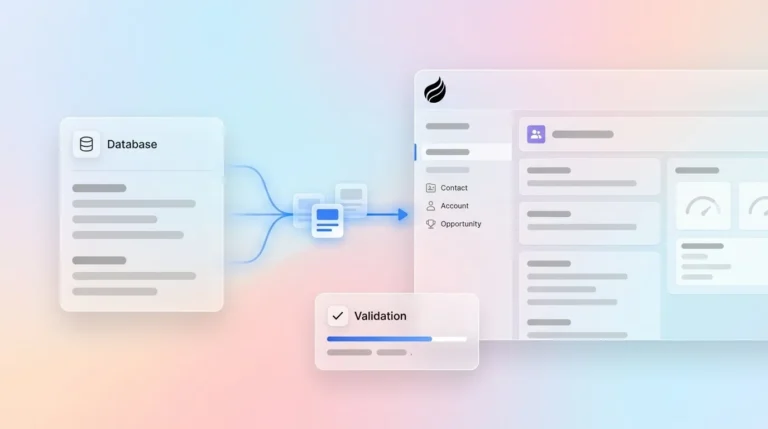
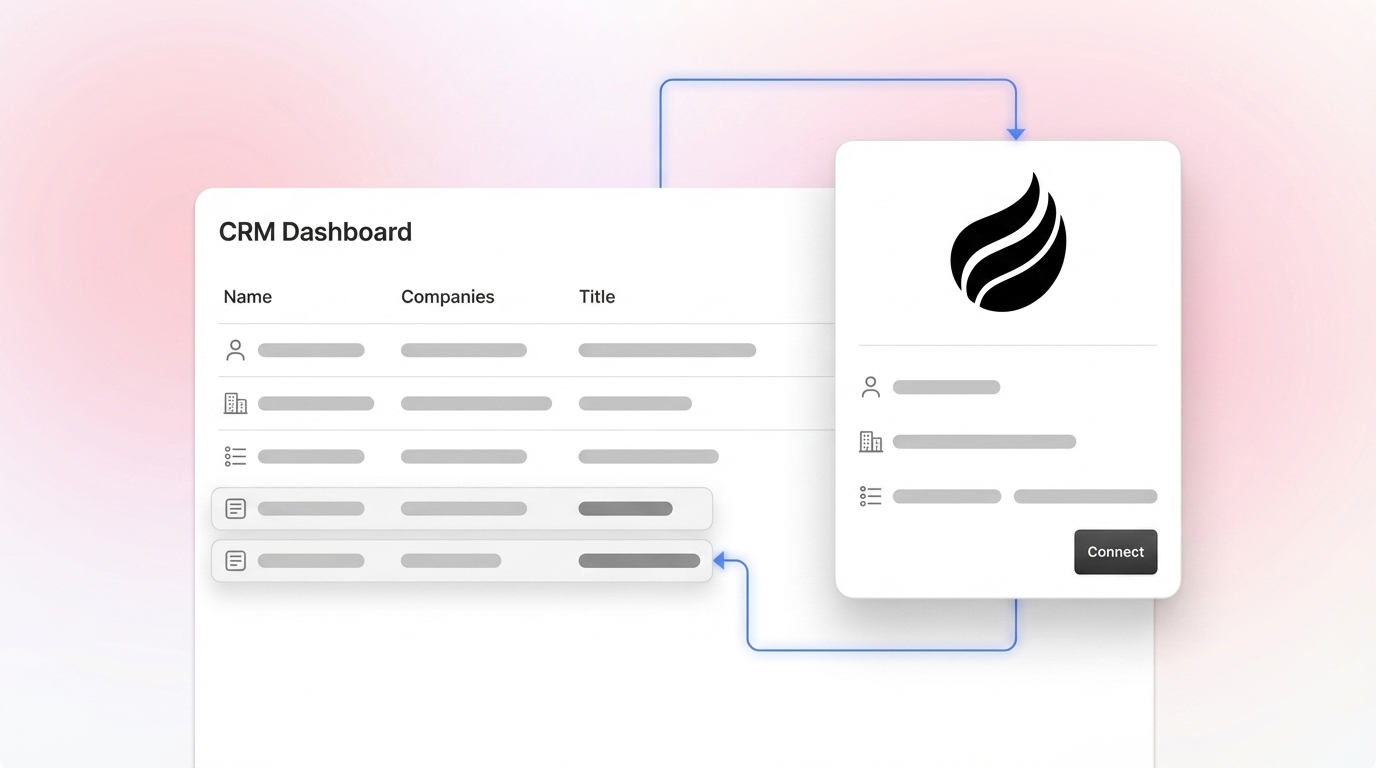
Coffee’s autonomous agent delivers the most advanced HubSpot enrichment workflow in 2026. After you connect Google Workspace or Microsoft 365, the agent scans emails, calendars, and call transcripts, then creates and enriches contact and company records. It adds job titles, funding details, and LinkedIn profiles through licensed data partners, which removes nearly all manual enrichment work.

Coffee’s Stripe integration automatically imports customers and companies, enriches them, and adds paid invoices to deals as Closed Won. For teams using QuickBooks instead, the platform offers similar capabilities through the QuickBooks integration, which syncs invoices and payment statuses for real-time visibility across your accounting stack. Companies report saving 8–12 hours per week per representative.
Strengths: Fully autonomous operation, no HubSpot credits consumed, handles unstructured data from communications. Limitations: Newer platform with developing integrations. Best fit: SMB RevOps teams that want hands-off automation.

2. HubSpot Breeze Intelligence
HubSpot’s native enrichment, built from the Clearbit acquisition, provides automatic and continuous enrichment. Continuous enrichment automatically refreshes data for existing contact and company records each month without consuming HubSpot Credits. The system pulls firmographic data such as job titles, LinkedIn URLs, company revenue, employee counts, buying intent, and technographics.
In HubSpot accounts with Starter, Professional, or Enterprise subscriptions, data enrichment does not consume HubSpot Credits for automatic and continuous enrichment. Manual enrichment of individual records still requires 10 credits per record.
Strengths: Native integration, no extra cost for automatic enrichment, strong commercial dataset. Limitations: Weaker coverage outside North America. Best fit: Teams already committed to the HubSpot ecosystem.
3. ZoomInfo Integration
ZoomInfo offers a very broad B2B database with 260M+ professional profiles, 100M+ company records, and intent data starting at $15K+/year. The platform supplies verified contacts, direct dials, buyer roles, and deep account intelligence through a native HubSpot integration.
ZoomInfo processes over 1 billion intent signals per month along with AI-driven buyer intelligence and technographics. It shines for enterprise coverage with multi-source validation and rich account-level context.
Strengths: Extensive database, strong enterprise focus, verified contact information. Limitations: High cost, complex rollout, and mainly North American coverage. Best fit: Mid-market and enterprise teams with larger budgets.
4. Progressive Forms and Workflows
Progressive profiling grows your data set gradually through smart forms that adapt to what you already know. HubSpot’s progressive forms skip questions for properties that exist, while workflows trigger enrichment actions when someone submits a form or updates a property.
This method uses enriched data to shorten forms by pre-filling known values from the enrichment dataset. It also improves lead scoring accuracy because you collect cleaner, more complete data over time.
Strengths: Better user experience, fewer abandoned forms, richer profiles over time. Limitations: Depends on the prospect’s cooperation, slower data collection. Best fit: Inbound marketing teams with steady form volume.
5. Zapier and API Automations
Zapier connects HubSpot to hundreds of enrichment tools and data sources, which enables automated workflows that trigger on specific events. Custom API integrations can also pull data from proprietary systems, social platforms, or niche databases.
Teams can design multi-step workflows that combine several enrichment sources, validate data quality, and update records automatically. This structure gives you the flexibility to plug almost any data source into HubSpot.
Strengths: Very broad integration options, customizable workflows, and cost-effective for targeted use cases. Limitations: Requires technical setup, and workflows can become complex. Best fit: Technical teams with clear integration requirements.
6. Apollo.io Prospecting Integration
Apollo.io blends prospecting and enrichment in one platform with a 275M+ contact database and plans from free to $99/user/month. It offers waterfall enrichment across multiple data sources, verified emails, and AI-driven job change alerts, all synced to HubSpot.

Apollo’s main advantage comes from its dual role as prospecting tool and enrichment platform. Teams that run outbound sequences in Apollo can keep HubSpot updated without switching systems.
Strengths: Combined prospecting and enrichment, competitive pricing, solid coverage. Limitations: Data quality varies by region, interface can feel busy. Best fit: Sales development teams focused on outbound.
7. Regular Data Audits and Cleaning
Regular data audits keep your HubSpot database usable and ready for enrichment. B2B contact data decays at 2.1% per month, which means nearly 25% becomes outdated by year-end. Consistent audits surface incomplete, outdated, or duplicate records that need attention.
HubSpot’s duplicate management tools, combined with data quality reports, help teams systematically improve their database by identifying which records need attention. By establishing this baseline of data quality first, teams can then focus their enrichment efforts on the most valuable records rather than wasting resources on duplicates or outdated entries.
Strengths: Raises overall data quality, highlights high-priority enrichment targets, low direct cost. Limitations: Requires manual effort, needs ongoing maintenance. Best fit: Operations teams with defined data governance.
8. AI Meeting Bots for Call Intelligence
AI meeting bots join sales calls to capture, transcribe, and extract data for enrichment. These tools identify stakeholders, pain points, budget details, and decision processes that you can add to contact and deal records.

Modern meeting intelligence platforms connect directly to HubSpot and update records with call insights, next steps, and relationship maps pulled from conversations.
Strengths: Captures unstructured conversation data, improves deal intelligence, and automates note-taking. Limitations: Requires consent to record calls, and setup can be complex. Best fit: Sales teams with many calls and longer deal cycles.
9. Custom Enrichment Scripts
Custom scripts and apps pull data from sources that matter in your specific industry. These sources might include regulatory databases, industry publications, or proprietary datasets that give you a competitive edge.
Development teams can build automated scripts that regularly scan external sources and update HubSpot records with relevant information. This approach tailors enrichment to your exact business needs.
Strengths: Highly customized, unique data sources, full control over logic. Limitations: Needs engineering resources, ongoing maintenance, and potential reliability issues. Best fit: Technical teams with specialized industry requirements.
10. List Building Tools
Dedicated list-building platforms help you find and enrich prospects before they ever reach HubSpot. These tools usually provide advanced search filters, data verification, and bulk enrichment so you can prepare clean lists for import.

Many list-building tools also connect directly to HubSpot and create enriched records automatically. New prospects then enter your CRM with complete information from day one.
Strengths: Proactive approach, cleaner data at entry, targeted prospecting. Limitations: Upfront subscription cost, ongoing list management. Best fit: Business development teams focused on targeted account acquisition.
The table below compares automation levels and cost structures for four popular enrichment platforms, so you can match your budget and workflow style to the right option:
|
Tool |
Automation Level |
Cost Range |
HubSpot Credits Used |
|---|---|---|---|
|
Coffee |
Full agent automation |
Flat seat pricing |
None |
|
HubSpot Breeze |
Auto/continuous |
Included in subscription |
10/record manual |
|
ZoomInfo |
Intent/firmographics |
$15K+/year |
Varies by integration |
|
Apollo |
Prospecting focused |
$99/user/month |
None |
HubSpot Enrichment Costs, Credits & Pitfalls Explained
Understanding the cost structure behind these enrichment methods helps you avoid surprise bills and stalled projects. HubSpot uses a tiered credit system where each record enrichment consumes 10 credits, with monthly allowances of 500 credits for Starter plans, 3,000 for Professional plans, and 5,000 for Enterprise plans. Teams often burn through credits when they manually enrich large databases, which creates unexpected costs or delays.
Coffee removes credit concerns entirely by including unlimited enrichment in flat seat pricing while maintaining SOC 2 Type 2 and GDPR compliance. This structure gives you predictable costs and unlimited enrichment capacity.
Switch to unlimited enrichment to avoid HubSpot credit limitations.
Why Agents Like Coffee Win in 2026
These cost and automation differences reflect a deeper shift in how CRM enrichment works. The move from passive software to autonomous agents defines CRM technology in 2026. Gartner predicts that 40% of enterprise apps will embed task-specific AI agents by the end of 2026. Unlike traditional tools that wait for human input, agents proactively capture and enrich data from emails and calls, which solves a core limitation of legacy CRM systems.
Conclusion
The strongest HubSpot enrichment strategies in 2026 favor automation over manual updates. Coffee’s Companion App leads this shift with autonomous agent-driven enrichment that removes the 71% time waste from manual data entry. HubSpot’s native tools and third-party platforms still add value, yet only agent-based systems deliver the fully hands-off automation modern revenue teams expect.
Transform your HubSpot enrichment strategy now. Start your free trial to experience the autonomous data enrichment that users report delivers those 8–12 hour weekly savings while improving forecast accuracy.
FAQ
What’s the best free HubSpot enrichment option?
HubSpot’s native Breeze Intelligence offers the strongest free enrichment option. It provides automatic and continuous enrichment without consuming credits for Starter, Professional, and Enterprise subscriptions. The system refreshes contact and company data monthly using HubSpot’s commercial dataset. Manual enrichment of individual records still requires 10 credits per record. Teams that want deeper automation can use Coffee’s trial to experience agent-driven enrichment.
How do HubSpot enrichment credits work?
HubSpot enrichment credits operate on a tiered monthly allowance system with different limits per plan tier (detailed in the Breeze Intelligence section above). Each manual record enrichment consumes 10 credits, whether you enrich contacts or companies individually or in bulk. Automatic and continuous enrichment features do not consume credits, which makes them cost-effective for ongoing maintenance. Credits reset monthly, and unused credits do not roll over.
Which enrichment tool do Reddit users recommend most?
Reddit users frequently mention Coffee for automation depth and ZoomInfo for broad data coverage, although many call out ZoomInfo’s high cost. Users often highlight Coffee’s agent-driven approach that removes manual work and avoids credit limits. Apollo.io also receives positive feedback for its balance of features and pricing, especially for sales development teams that focus on prospecting.
How does Coffee compare to ZoomInfo for HubSpot enrichment?
Coffee delivers autonomous agent-driven enrichment at a fraction of ZoomInfo’s cost, using flat seat pricing instead of a $15K+ annual commitment. ZoomInfo offers broader database coverage and enterprise-grade features, while Coffee excels at automation by capturing data from emails, calendars, and calls without human effort. Coffee’s approach avoids HubSpot credit usage entirely, while ZoomInfo integrations may consume credits depending on setup. Coffee fits teams that want hands-off automation, and ZoomInfo suits enterprises that need very wide database coverage.
Can I enrich my entire HubSpot database at once?
Bulk enrichment is possible through several methods. HubSpot’s native tools support bulk enrichment of up to 25 records at a time and consume 10 credits per record for manual enrichment. Coffee’s agent can enrich entire databases automatically by connecting to your workspace and continuously processing all contacts and companies without credit limits. Third-party tools such as ZoomInfo and Apollo provide bulk enrichment with their own credit or usage costs. For very large databases, Coffee’s unlimited model usually offers the most cost-effective path to full enrichment.