Key Takeaways for GTM Enrichment in 2026
-
Manual data entry wastes 71% of sales reps’ time, and leading enrichment tools now handle CRM population to save 8–12 hours weekly.
-
Coffee stands out as an agent-driven solution that enriches contacts from email and calendar activity directly into Salesforce and HubSpot.
-
ZoomInfo fits enterprises that need massive databases, while Apollo and Clay work well for startups focused on prospecting and waterfall workflows.
-
High-performing teams look for 90%+ accuracy, native CRM sync, GDPR/SOC2 compliance, and clear pricing structures.
-
Transform your GTM stack with unlimited enrichment and autonomous data processing that removes manual intervention and credit constraints.
How We Evaluated GTM Enrichment Platforms
This evaluation framework focuses on the factors that most directly impact GTM performance and data quality.
-
Data Accuracy: Match rates of 90%+ for contact and company information.
-
CRM Integration: Native bi-directional sync with Salesforce and HubSpot.
-
Waterfall Coverage: Multi-source enrichment that fills more fields and reduces gaps.
-
Pricing Model: Transparent seat-based or credit-based structures without hidden fees.
-
Compliance: SOC2 Type 2 and GDPR certification for safe global outreach.
-
Agent Automation: Autonomous enrichment that runs without manual workflows.
Modern GTM teams need tools that process unstructured data from emails and calendars, keep bounce rates under 3%, and replace fragile Zapier chains that fragment the tech stack.

Top 10 B2B Contact Data Enrichment Tools for GTM Teams in 2026
1. Coffee – Agent-Led CRM Enrichment
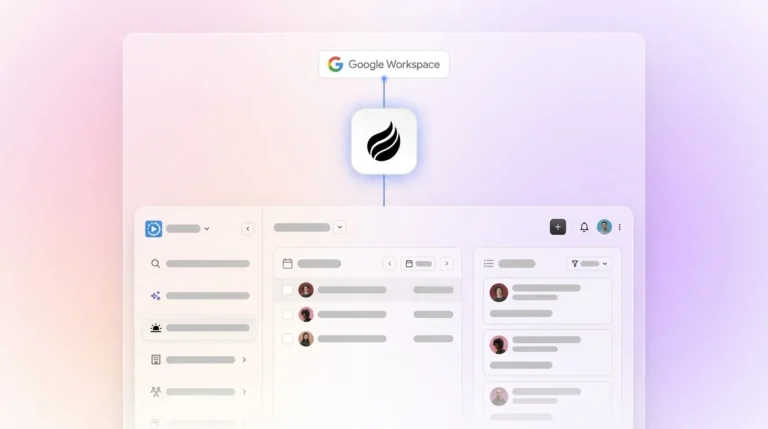
Coffee leads the market as an agent-driven enrichment platform that captures and enriches contacts from Google Workspace and Microsoft 365, then syncs them into Salesforce or HubSpot. The Coffee Agent handles data entry autonomously and saves sales teams 8–12 hours per week through intelligent data processing.
Best for: SMB to mid-market GTM teams seeking automated CRM workflows
Pricing: Seat-based model with unlimited agent labor included
Key Features: Auto-enrichment from email and calendar, native Salesforce and HubSpot sync, meeting intelligence
GTM Advantage: Automates data capture completely while maintaining comprehensive contact and account records

2. ZoomInfo – Enterprise Database Leader
ZoomInfo maintains the largest B2B database with 260 million+ professional profiles and 100 million+ company records, and it offers deep intent data and technographics for enterprise outbound teams.
Best for: Large enterprise sales teams with complex territory management
Pricing: $15,000–$50,000+ annually depending on seats and features
Key Features: Intent signals, org charts, Copilot AI assistant
Limitations: High cost, credit-based restrictions, and manual workflow setup requirements
3. Apollo.io – All-in-One Prospecting
Apollo.io provides access to 275 million+ contacts with built-in email sequencing and calling capabilities, which makes it popular among startups and SMBs that want integrated prospecting.
Best for: Startups and SMBs needing prospecting plus enrichment
Pricing: Free tier available, $49–$119 per user per month
Key Features: Waterfall enrichment, email verification, sequence automation
Limitations: 65–80% email accuracy for senior roles and a credit consumption model
4. Cognism – GDPR-Compliant Global Data
Cognism’s Diamond Data provides phone-verified mobile numbers with 98% accuracy and focuses on EMEA coverage with strict compliance standards for international GTM teams.
Best for: Global sales teams targeting European markets
Pricing: Around $1,000 per user per year for the Platinum tier
Key Features: Phone verification, GDPR compliance, DNC checking
Limitations: Higher cost per contact and limited North American coverage
5. Clay – Waterfall Enrichment Workflows
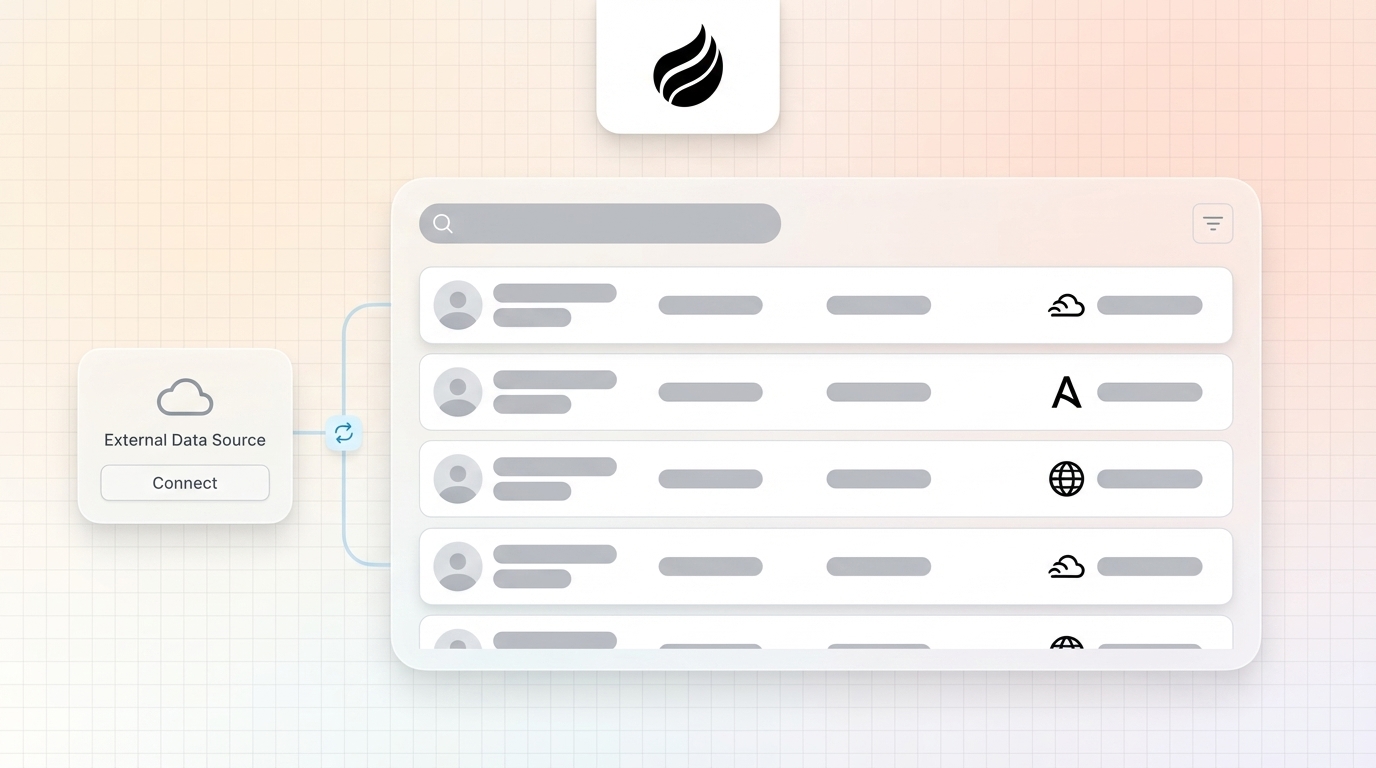
Clay supports waterfall enrichment by sequencing multiple data providers for higher match rates, which allows RevOps teams to build complex enrichment workflows without code.
Best for: RevOps teams building automated enrichment processes
Pricing: $149 per month starting tier with credit-based usage
Key Features: 100+ data provider integrations, AI personalization, spreadsheet-style interface
Limitations: Requires workflow setup expertise and ongoing credit management
The following comparison highlights how pricing models and integration depth vary across these top-tier solutions.
|
Tool |
Accuracy |
Starting Price |
CRM Sync |
|---|---|---|---|
|
Coffee |
High accuracy |
Seat-based |
Native SF/HS |
|
ZoomInfo |
85–90% |
$15K/year |
Native SF/HS |
|
Apollo |
70–85% |
$49/month |
Native SF/HS |
|
Clay |
90–95% |
$149/month |
Via integrations |
6. Clearbit (Breeze Intelligence) – HubSpot Native
Clearbit, acquired by HubSpot in 2023 and rebranded as Breeze Intelligence, delivers real-time enrichment for HubSpot CRM with automatic form and visitor identification.
Best for: HubSpot-native growth teams focused on inbound enrichment
Pricing: Included in HubSpot Marketing and Sales Hub Professional+ plans
Key Features: Real-time API enrichment, form shortening, visitor identification
Limitations: HubSpot-only integration and limited outbound capabilities
7. Lusha – Quick LinkedIn Prospecting
Lusha enables quick contact lookups via Chrome extension for direct dials and emails while browsing LinkedIn, which serves individual reps and small teams with immediate prospecting needs.
Best for: Individual sales reps and small teams doing LinkedIn prospecting
Pricing: Free tier with 5 credits per month, $29–$59 per user per month
Key Features: Chrome extension, LinkedIn integration, API access
Limitations: Credit-based model and limited bulk enrichment capabilities
8. LeadIQ – Relationship-Based Selling
LeadIQ specializes in LinkedIn prospecting enrichment with job change tracking and alerts, which supports relationship-based selling for outbound teams managing warm connections.
Best for: SDR teams focused on relationship-based outbound
Pricing: Free tier available, $79 per user per month for full features
Key Features: Job change alerts, one-click capture, CRM sync
Limitations: LinkedIn-dependent and limited company intelligence
9. Seamless.AI – Real-Time Search Engine
Seamless operates as a real-time contact search engine with AI verification for emails and phones, and it focuses on prospecting velocity for SDR teams that need fast results.
Best for: SDR teams prioritizing prospecting speed
Pricing: Custom pricing based on usage requirements
Key Features: Real-time search, AI verification, Chrome extension
Limitations: Variable data quality and limited CRM automation
10. UpLead – SMB-Focused Enrichment
UpLead offers contact and company enrichment with real-time email verification and targets small to medium businesses that want straightforward enrichment and competitive pricing.
Best for: SMBs seeking cost-effective enrichment solutions
Pricing: $99–$199 per month with a credit-based model
Key Features: Email verification, technographics, CRM integrations
Limitations: Limited advanced features and smaller database coverage
Pair any of these tools with autonomous CRM enrichment to remove the need for manual CRM updates and maintain consistent hygiene across your GTM stack.

Use-Case Breakdowns and GTM Stack Fit
Selecting the right enrichment tool depends on your GTM motion, company stage, and integration needs across the stack.
Waterfall Enrichment: Coffee and Clay excel at multi-source enrichment, with waterfall methods achieving 90–98% accuracy versus 70–85% for single-source tools. Coffee’s agent coordinates waterfall enrichment automatically, while Clay offers manual control for teams that want to design each step.

Startup GTM: Early-stage teams often choose Apollo and Lusha for low entry costs and flexible, credit-based usage. As these teams grow beyond 5–10 reps, Coffee’s seat-based pricing with unlimited agent labor often becomes more economical than scaling credit packages.
Salesforce Integration: Coffee, ZoomInfo, and Apollo all provide native bi-directional sync with Salesforce. Coffee adds autonomous enrichment that handles data entry on its own, which helps teams maintain CRM hygiene without extra admin work.
Enterprise ABM: ZoomInfo and Cognism deliver deep account intelligence for complex ABM programs. Coffee’s agent complements these databases by enriching target accounts from ongoing email threads and calendar meetings, which keeps account records current between major list uploads.
2026 Trends, ROI Impact, and Common Pitfalls
Agent-led enrichment has become a defining trend in 2026, and Coffee plays a leading role in this shift toward autonomous data processing. Companies using AI-powered sales tools report 20–30% higher ROI and save an average of 2 hours and 15 minutes per day, which shows how automation reshapes GTM productivity.

GTM teams that adopt quality enrichment tools see immediate gains in outreach performance, as email bounce rates fall from 15–25% to under 3% and phone connect rates improve from 40–60% wrong numbers to 80–90% valid direct dials. These efficiency gains convert directly into time savings mentioned earlier, which at a $75 per hour loaded cost translates to $2,400–$3,600 in monthly value per seat.
Teams still face common pitfalls, including reliance on outdated single-source databases, weak GDPR compliance, and complex credit systems that slow adoption. Coffee’s agent-led model addresses these issues with automated, compliant enrichment and a simple usage structure.
FAQ
What’s the best CRM enrichment tool for GTM teams?
The best tool depends on team size, budget, and GTM motion. For teams that prioritize automation and CRM hygiene, Coffee’s agent-driven approach removes manual CRM updates entirely. Enterprise organizations with complex territories often favor ZoomInfo’s broad database, while startups may find Apollo’s integrated prospecting more cost-effective at the beginning.
What are the best ZoomInfo alternatives for GTM teams?
Coffee offers a strong ZoomInfo alternative with agent-driven automation that handles data entry autonomously. Apollo provides a budget-friendly option for startups that want outbound sequences, and Clay stands out for advanced waterfall enrichment workflows. Coffee differentiates itself with unlimited agent labor on a seat-based model, which avoids the credit limits and higher costs of many enterprise platforms.
How should I choose between enrichment tools for waterfall coverage?
Coffee and Clay both support robust waterfall enrichment, but they serve different preferences. Coffee’s agent orchestrates multi-source data collection automatically, which suits teams that want coverage without technical setup. Clay gives RevOps leaders granular control over data sources and logic, which works well for teams that can invest time in configuration.
How does Coffee compare to Apollo for GTM teams?
Coffee focuses on automated enrichment through its agent, while Apollo combines enrichment with outbound sequencing and dialer features. Coffee handles data entry autonomously and uses seat-based pricing with unlimited usage, whereas Apollo relies on credits. Coffee fits teams that care most about clean CRM data, and Apollo fits teams that want an all-in-one outbound platform.
What compliance standards should GTM teams prioritize in 2026?
SOC2 Type 2 and GDPR compliance remain essential, especially for teams that engage European prospects. Coffee, Cognism, and ZoomInfo meet these standards, and Coffee adds privacy protection through its agent-based architecture. Teams should also confirm that enrichment vendors support Transfer Impact Assessments for cross-border data flows and maintain clear data retention policies.
Conclusion: Matching Tools to Your GTM Motion
Coffee emerges as a leading choice for GTM teams that want automated, compliant B2B contact enrichment in 2026. Its agent-driven approach handles data entry autonomously, delivers strong accuracy, and syncs natively with Salesforce and HubSpot, which frees teams to focus on revenue work instead of admin tasks.
Experience agent-powered enrichment and turn your GTM data operations from a manual burden into an automated competitive advantage.