Written by: Doug Camplejohn, CEO & Co-Founder, Coffee | Last updated: June 28, 2026
Key Takeaways for Small Sales Teams
- Most conversational intelligence platforms still require manual review or approval before CRM data is updated, which keeps data-entry work on sales teams.
- Coffee uses an autonomous agent that writes structured data directly to HubSpot, Salesforce, Pipedrive, and Zoho with no human step.
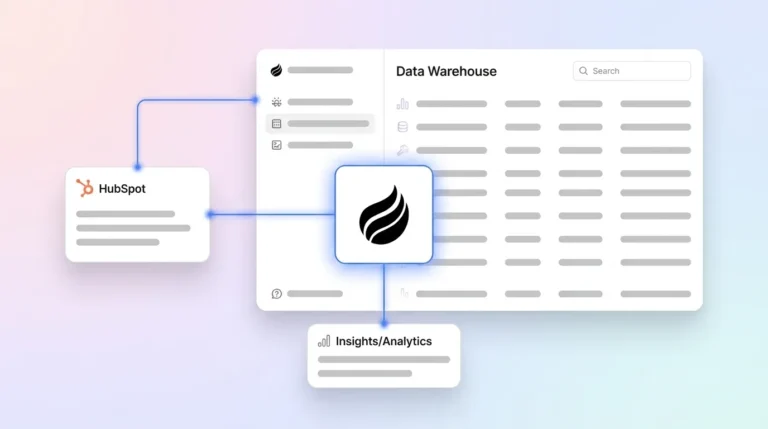
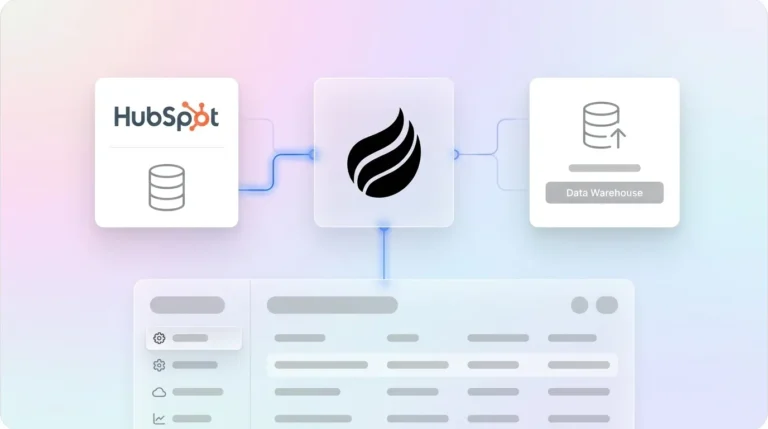
- Native CRM integrations remove the need for Zapier, cut latency, and keep field mapping accurate for contacts, deals, and custom objects.
- Seat-based pricing with no per-minute fees gives sub-20-user teams predictable costs and deep automation compared with competitors.
- Teams ready to remove post-call data entry can see Coffee’s pricing and start a trial today.
Four Practical Criteria for Choosing a Conversational Intelligence Tool
Sub-20-user teams need clear criteria before comparing vendors. Transcription accuracy is table stakes in 2026, so the real differences show up in four areas.
1. Native CRM Sync Depth Without Zapier. A native integration writes directly to your CRM’s API without a middleware layer, which matters because Zapier-based connections add latency, extra cost, and another failure point. For HubSpot and Salesforce specifically, this direct connection must handle required fields, deal stages, and custom objects, not just activity notes. Coffee’s summary templates, released in November 2025, are customizable and write back to Coffee, HubSpot, or Salesforce natively.
2. Post-Call Automation That Truly Removes Manual Entry. The key distinction is whether a human must touch the summary before it reaches the CRM. Tools that require a rep to “approve and push” still create a data-entry dependency and keep the bottleneck in place. Coffee.ai launched Custom Meeting Briefings and Summaries in February 2026, enabling users to define exact formats and focuses like high-level executive summaries or granular technical breakdowns. These customization capabilities matter most when they pair with a workflow that runs without human approval.
3. 2026 Pricing Reality for Sub-20-User Teams. Per-seat pricing stays predictable, while per-minute or per-recording fees do not. To see why this matters, consider a 15-user team averaging 20 calls per month; hidden usage fees compound quickly at that volume. Evaluate total cost of ownership, not just the headline seat price.
4. Setup Time and Ongoing Maintenance Hours. A tool that needs a two-week implementation or monthly admin cycles does not fit a lean RevOps function. Prioritize platforms that authenticate via OAuth, start logging data within minutes, and keep ongoing maintenance light.
Side-by-Side Comparison: Coffee vs. Fathom vs. Fireflies vs. Avoma vs. Gong
The table below compares each platform across the four criteria and shows what happens between call end and CRM update.
| Criterion | Coffee | Fathom | Fireflies | Avoma | Gong |
|---|---|---|---|---|---|
| Native CRM Sync Depth | Native to HubSpot, Salesforce, Pipedrive, Zoho; writes contacts, deals, activities, and custom fields | Native HubSpot and Salesforce; limited field mapping | Native HubSpot and Salesforce; Pipedrive via Zapier | Native HubSpot and Salesforce; Pipedrive limited | Native Salesforce and HubSpot; strong enterprise field mapping |
| Post-Call Automation (Zero Manual Entry) | Full zero-touch agent: summaries, action items, and deal fields written automatically | Requires rep to review and push summary to CRM | Requires rep to approve sync; partial auto-log available on paid tiers | Requires rep or manager review before CRM write-back | Auto-captures activity; deal field updates require manual rep input |
| 2026 Pricing (15-seat team) | Seat-based; agent labor unlimited; no per-minute fees | Free tier available; paid tiers per seat; no per-minute fees | Per-seat with storage limits on lower tiers | Per-seat; higher price point than Fireflies | Enterprise pricing; typically $100–$200+/seat/month; minimum seat commitments |
| Setup Time | OAuth connection to Google Workspace or Microsoft 365, CRM sync active in under 10 minutes | OAuth; CRM mapping requires manual field configuration | OAuth; CRM field mapping requires configuration session | OAuth; onboarding session recommended | Dedicated implementation; typically days to weeks |
| Data Flow After the Call | Agent writes structured data to CRM automatically, zero human steps | Rep reviews AI summary, then manually pushes to CRM | Rep approves sync, then data is pushed to CRM | Manager or rep reviews, then approves CRM write-back | Activity logged automatically; rep updates deal fields manually |
Note: Competitor pricing and feature claims are based on publicly available information as of June 2026. Verify current plans directly with each vendor before purchasing.
CRM Integration Playbooks for HubSpot, Salesforce, Pipedrive, and Zoho
Native connector depth determines whether a tool actually removes work or simply shifts it from one place to another. This matters most for teams that rely on CRM data to run pipeline reviews and forecasts.
HubSpot. Coffee authenticates through HubSpot OAuth and immediately begins writing contacts, companies, deal stage updates, and meeting activity to the correct records. Summary templates released in November 2025 are configurable to match HubSpot’s required fields and write back without manual intervention. Estimated setup time stays under 10 minutes. Coffee populates contact name, company, meeting date, summary, next steps, and deal stage automatically.
Salesforce. Coffee’s Companion App runs as an intelligent layer on top of existing Salesforce instances and handles required fields, custom objects, and opportunity updates. The February 2026 Intelligence layer allows users to define ICP and competitor context so that Salesforce records receive tailored, structured insights, not raw transcripts. Estimated setup time is under 15 minutes with existing Salesforce credentials.
Pipedrive. Coffee writes natively to Pipedrive and logs activities, notes, and deal updates after each call. No Zapier connector is required, which keeps the workflow simple and reliable. Coffee populates deal name, contact, call outcome, and follow-up task automatically. Estimated setup time is under 10 minutes.
Zoho CRM. Coffee connects to Zoho through a native API and logs call records and structured summaries directly to the relevant lead or contact record. Estimated setup time is under 10 minutes. This coverage positions Coffee as a complete option for conversation intelligence with automatic CRM logging across the four major SMB CRM platforms.
How Coffee Removes Post-Call Data Entry
The real gap between tools that reduce manual entry and tools that eliminate it is the human approval step in the post-call workflow.
As noted in the evaluation criteria, most platforms still require manual review. This shows up differently across vendors: Fathom requires the rep to open the summary and push it to the CRM, Fireflies prompts the rep to confirm the sync, Avoma routes summaries through a manager review layer, and Gong leaves deal field updates such as stage, close date, and next step to the rep.
Coffee’s agent model removes every one of those steps. The moment a call ends, the agent processes the transcript, structures the output according to the configured methodology (BANT, MEDDIC, or SPICED), and writes the result directly to the CRM record. The rep receives a drafted follow-up email in Gmail for review and sending. The only human action that remains is a deliberate outbound communication, not a data-entry task. For a 15-person sales team averaging 20 calls per week, that difference compounds into dozens of recovered selling hours per month.

Try Coffee’s zero-touch workflow and see it in action on your next call.
2026 Pricing Reality Check for Teams Under 20 Users
Coffee uses seat-based pricing where the agent’s labor, including recordings, summaries, CRM writes, and enrichment, is included in the seat cost. There are no per-minute recording fees and no per-API-call charges for CRM sync. For a 15-seat team, the total cost equals 15 seats multiplied by the published seat rate, with no surprises at invoice time.
Gong’s enterprise pricing model typically runs $100–$200+ per seat per month with minimum seat commitments, which places it outside practical range for most sub-20-user teams. Avoma sits at a mid-market price point that becomes significant at 15 seats. Fathom offers a free tier, but native CRM write-back and advanced field mapping require paid plans. Fireflies charges per seat with storage caps on lower tiers that can force upgrades as call volume grows.
For teams under 20 users, Coffee’s all-inclusive seat model delivers predictable total cost of ownership along with deep automation.
Best-Fit Scenarios for Coffee and Competitors
Early-stage teams (1–10 users) without an established CRM. Coffee’s Standalone AI-First CRM fits these teams. The agent manages the system of record from day one and removes the need to buy a separate CRM and a separate conversational intelligence tool. Setup requires only a Google Workspace or Microsoft 365 connection.
Teams of 10–20 already committed to Salesforce or HubSpot. Coffee’s Companion App runs as an agent layer on top of the existing instance. It preserves the current system of record, respects existing Salesforce or HubSpot contracts, and starts removing manual data-entry work immediately without a migration project.
Teams evaluating Pipedrive or Zoho. Coffee’s native connectors for both platforms make it the only conversational intelligence tool in this comparison that delivers zero-touch CRM logging across all four major SMB CRMs without Zapier.
Risks and Limitations to Consider
Integration gaps. Coffee’s deeper third-party integrations beyond CRMs, such as outreach sequencers or BI tools, currently run through Zapier, with native integrations on the roadmap. Teams with complex multi-tool stacks should confirm current connector availability before committing.
Data privacy. Coffee is SOC 2 Type 2 and GDPR compliant, and call data is not used to train public models. Teams in regulated industries such as healthcare or financial services should still conduct a full security review, since multi-year compliance certifications may be required.
Hidden maintenance burden of manual-logging tools. The less visible risk in choosing Fathom, Fireflies, or Avoma is not the tool’s price but the ongoing human cost of the approval and push workflow. At scale, that workflow becomes a RevOps maintenance task that shows up in three ways: first, chasing reps to complete their CRM updates; second, auditing data quality when updates are incomplete or inconsistent; and third, rebuilding pipeline reports from records that never reached the CRM. Tools that still require manual review do not solve the core problem, they simply reframe it.
Decision Checklist Matrix
| Your Situation | Recommended Platform | Reason |
|---|---|---|
| No CRM yet; team under 10; want zero admin | Coffee Standalone CRM | Agent manages system of record; no separate CRM purchase needed |
| HubSpot committed; 10–20 users; poor data quality | Coffee Companion App | Native HubSpot write-back; zero-touch agent; no migration required |
| Salesforce committed; RevOps owns data quality | Coffee Companion App | Deep Salesforce field mapping; required fields auto-populated; MEDDIC/BANT support |
| Pipedrive or Zoho; need native sync without Zapier | Coffee | Only platform in comparison with native connectors for both CRMs |
| Budget-constrained; willing to accept manual push step | Fathom (paid tier) | Lower seat cost; accepts human approval step in workflow |
| Enterprise; complex custom Salesforce objects; large team | Gong | Mature enterprise feature set; dedicated implementation support |
Frequently Asked Questions
What is the best AI tool for small businesses that need CRM automation?
For small businesses under 20 users that need CRM automation without adding headcount, Coffee is the strongest option in 2026. It operates as an autonomous agent rather than a passive transcription tool, so it handles contact creation, deal updates, meeting summaries, and activity logging automatically. Teams that already use HubSpot or Salesforce can deploy Coffee as a Companion App without migrating existing data. Teams without a CRM can use Coffee’s Standalone AI-First CRM, which includes the agent from day one.
Which conversational intelligence tools sync natively with Pipedrive?
Among the platforms compared in this guide, Coffee is the only one that provides a native integration with Pipedrive that writes structured post-call data, including deal updates, contact notes, activity logs, and next steps, without a Zapier connector. Fireflies connects to Pipedrive via Zapier on most plans. Avoma’s Pipedrive support is limited. Fathom and Gong do not offer native Pipedrive sync. For teams on Pipedrive that want conversation intelligence with automatic CRM logging, Coffee is the practical choice.
How do you remove post-call data entry from a sales team’s workflow?
Teams remove post-call data entry by using a tool whose agent writes directly to the CRM without a human approval step in between. With Coffee, the bot joins the call, records and transcribes in real time, and the moment the call ends, the agent structures the output and writes it to the correct CRM record automatically. The rep receives a drafted follow-up email to review and send, which is the only remaining action. No summary approval, no manual field updates, and no Zapier trigger need attention. Setup takes under 15 minutes through OAuth authentication to your CRM and calendar.

Conclusion: Choose the Agent That Removes Manual CRM Entry
The core problem for 10- to 20-person sales teams in 2026 is not transcription quality, it is the human step that still exists between a call ending and a CRM reflecting reality. Every platform in this comparison transcribes well. Only Coffee removes the manual entry step entirely through an agent model that writes structured, accurate data to HubSpot, Salesforce, Pipedrive, or Zoho the moment a call ends. For lean teams that cannot afford to have reps acting as data-entry clerks, that distinction drives the decision.
Put your CRM on autopilot with Coffee and see pricing before you start your trial.