Written by: Doug Camplejohn, CEO & Co-Founder, Coffee | Last updated: June 19, 2026
Key Takeaways for B2B Sales Leaders
- A sales pipeline management tool tracks B2B deals from prospecting through closed won or lost, giving leaders clear visibility into stage, velocity, and forecast accuracy.
- Teams should evaluate tools on automation depth, data architecture, integration quality, setup burden, frontline adoption, and compliance before selecting a platform.
- Coffee leads the 2026 automation scorecard with autonomous data capture, meeting intelligence, built-in pipeline history, and native Salesforce or HubSpot sync options.
- Legacy CRMs force manual data entry and lose historical context, while Coffee’s data-warehouse approach preserves every state change and continuously enriches records without rep input.
- Eliminate manual data entry and accelerate revenue with Coffee’s AI sales agent for your B2B team.
The Six Standard B2B Pipeline Stages in 2026
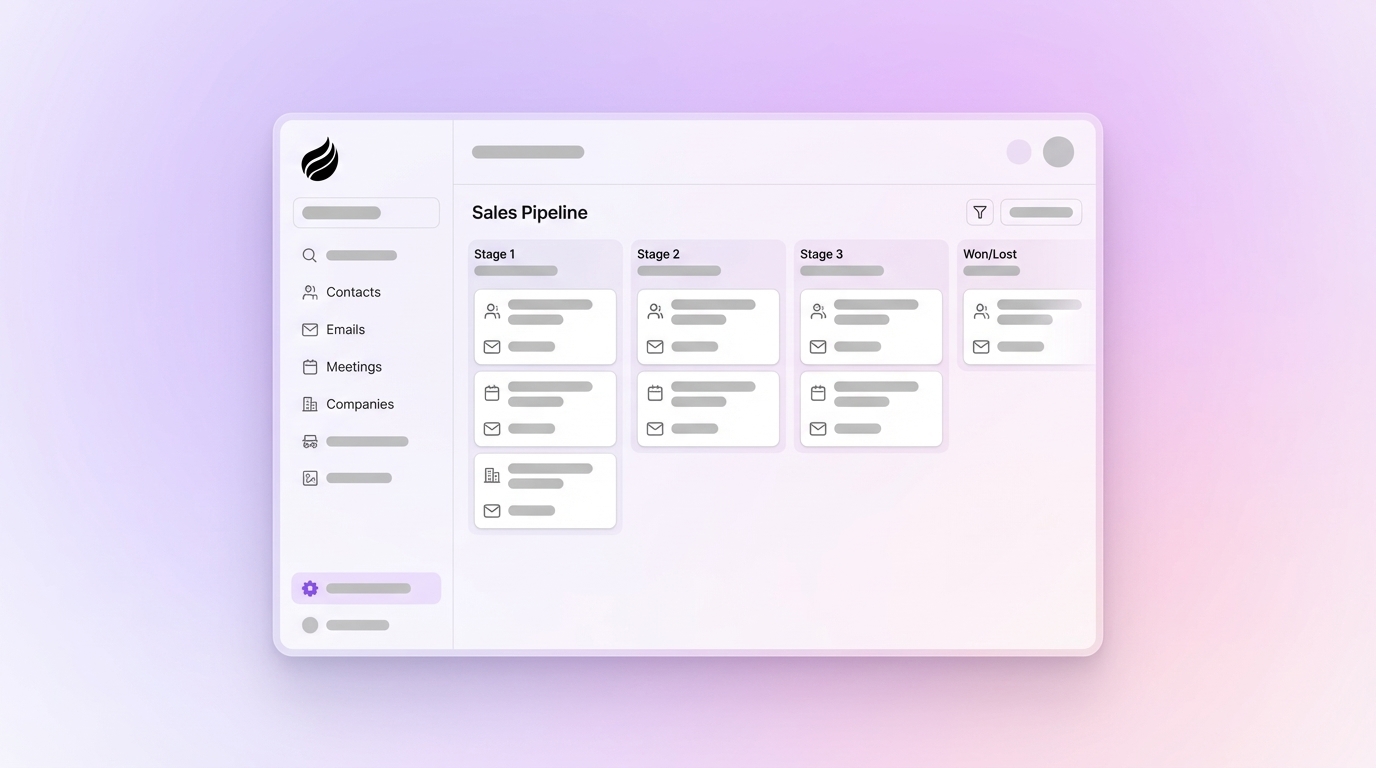
- Prospecting. Teams identify target accounts and begin outreach. Advancement requires a named contact who has responded and expressed initial interest.
- Qualification. Reps validate fit using BANT criteria: budget, authority, need, and timeline. A scheduled discovery call serves as the exit gate.
- Needs Analysis. Reps map the buyer’s specific pain points and success criteria. Advancement requires documented requirements shared internally and confirmed with the prospect.
- Proposal. Teams present solution details and pricing. Opportunity-to-close conversion at this stage often ranges from 20–35%. Advancement depends on resolving key objections.
- Negotiation. Stakeholders align on contract terms, pricing, and legal review. Qualified opportunities move forward when procurement and legal approve.
- Closed Won / Lost. The contract is signed or the opportunity is formally rejected. Average B2B win rates range from 15–25%, with top performers exceeding 40%.
How to Evaluate Sales Pipeline Tools for 2026
Six criteria should guide every platform decision before you shortlist vendors. Each one affects revenue, rep capacity, and long-term flexibility.
- Automation depth. The tool should capture data autonomously rather than relying on rep input. Sales reps spend approximately 65–72% of their time on non-selling tasks, so automation depth directly determines how much time they spend selling instead of typing.
- Data architecture. Relational databases overwrite fields and lose historical context. A data warehouse preserves every state change and supports accurate pipeline comparison over time.
- Integration fidelity. Native sync with Salesforce or HubSpot that respects quotas, required fields, and forecasting objects behaves very differently from a generic API connection.
- Setup and administrative burden. Time-to-value and ongoing maintenance overhead define the real total cost of ownership, not just license fees.
- Frontline adoption. Only 34% of a sales rep’s time is spent on actual selling, so tools that add friction push reps into shadow CRMs and weaken data quality.
- Scalability and compliance. SOC 2 Type 2 certification, GDPR alignment, and a roadmap that supports team growth without a disruptive re-platform keep risk under control.
Automation Scorecard: 8 Pipeline Tools Compared
| Tool | Auto Data Entry & Enrichment | Meeting Intelligence & Follow-up | Pipeline Compare / History Tracking | Visitor ID + Native SF/HubSpot Sync |
|---|---|---|---|---|
| Coffee (Standalone) | Autonomous, agent ingests email, calendar, transcripts, auto-creates contacts, and enriches records | Pre-meeting briefings, AI bot joins calls, auto-generates summaries and follow-up drafts | Built-in data warehouse, week-over-week Pipeline Compare with no CSV exports | Named visitor ID with Suggested Leads, native sync not applicable (system of record) |
| Coffee (Companion for SF/HubSpot) | Autonomous, agent writes enriched data back to existing Salesforce or HubSpot instance | Same meeting intelligence layer, summaries written to CRM records automatically | Pipeline Compare overlaid on Salesforce or HubSpot data, no manual export required | Named visitor ID with Suggested Leads, deep native Salesforce or HubSpot sync including quotas and required fields |
| Salesforce (Sales Cloud) | Manual by default, automation requires Flow configuration and third-party enrichment tools | Requires Einstein add-on or Gong integration, not included in base license | No native history warehouse, pipeline snapshots require additional reporting configuration | No native visitor ID, sync is the system of record itself |
| HubSpot (Sales Hub) | Partial, email logging available but contact creation and enrichment largely manual | Conversation Intelligence on higher tiers, summaries require configuration | No built-in pipeline compare, custom reports required | No native visitor ID, acts as the system of record |
| Pipedrive | Activity reminders automated, data entry remains rep-driven | No native meeting intelligence, requires third-party integration | No native history tracking, limited snapshot reporting | No visitor ID, limited native Salesforce or HubSpot sync |
| monday CRM | AI Blocks autofill columns from emails and detect sentiment, still requires board configuration | AI timeline summary covers emails, calls, and meetings, not a dedicated sales bot | No native pipeline compare, relies on board views and dashboards | No visitor ID, Salesforce or HubSpot sync via integration |
| Clarify CRM | AI-assisted, modern UI but limited depth on Salesforce or HubSpot integration objects | Emerging meeting intelligence, less mature than dedicated agents | Early-stage history tracking, data warehouse architecture not confirmed | No visitor ID, Salesforce or HubSpot integration depth unverified for complex orgs |
| Day.ai | Focus on unstructured data capture, strong on productivity context | Meeting summaries available, pipeline write-back limited | No dedicated pipeline compare feature | No visitor ID, limited Salesforce or HubSpot sync depth |
This comparison highlights how Coffee removes manual work while preserving full pipeline history. See Coffee’s automation capabilities and pricing to benchmark against your current stack.

Setup Effort and Administrative Burden
Legacy CRMs carry the highest setup cost. A Salesforce implementation for a 20-seat team typically requires a certified administrator, custom object configuration, and weeks of data migration before a single rep can log a deal.
HubSpot deploys faster but accumulates technical debt as teams add sequences, workflows, and reporting layers. Many B2B teams still rely on spreadsheets to track customer data, which signals that CRM configurations never fully served frontline needs.
Modern CRMs like Clarify and Day.ai reduce initial setup friction but introduce a different risk. Shallow integration with existing Salesforce or HubSpot instances often breaks forecasting objects, quota hierarchies, and required fields, which then demands manual remediation.
Agent-based approaches such as Coffee’s Companion App authenticate via Google Workspace or Microsoft 365 and begin capturing data immediately. The agent handles ongoing maintenance autonomously, so no administrator needs to reconcile stale records or rebuild broken workflows.
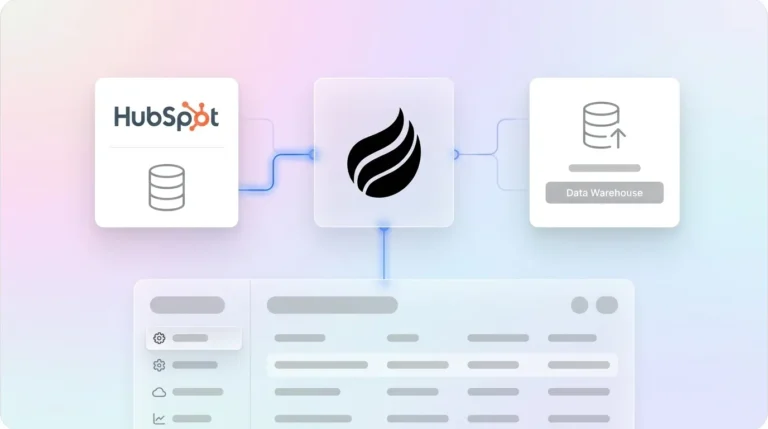
For teams already on Salesforce or HubSpot, the Coffee agent writes enriched, structured data back to the existing system of record without displacing it.
Data Capture, Enrichment, and Maintenance
The 65–72% of rep time lost to non-selling tasks mentioned earlier is largely consumed by manual CRM data entry. B2B sales reps spend an average of 11.5 hours per week entering data into CRM systems, which equals roughly 29% of a full working week.
Legacy CRMs depend on that manual input and store only the current state of a record. When a field is updated, the prior value disappears, which removes historical context and forces teams into spreadsheet snapshots for any accurate pipeline comparison.
Modern CRMs improve the user experience but keep the same passive data model. They accept structured inputs more gracefully but still cannot ingest unstructured data such as email threads, call transcripts, and meeting notes, then map it to the correct deal without human help.
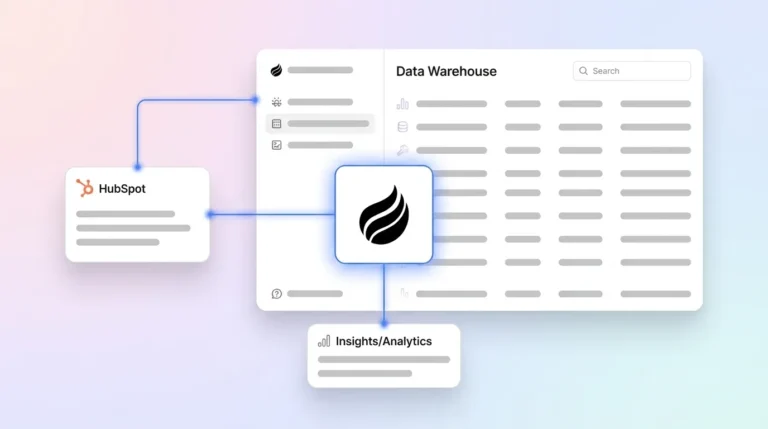
Coffee’s agent runs on a data warehouse architecture that preserves every state change. It ingests structured data like contact fields and deal stages, as well as unstructured data like email text and call transcripts, then associates each interaction with the correct record automatically.

B2B contact data decays at 22–30% annually, so continuous enrichment is now a requirement. Coffee’s agent handles enrichment for job titles, funding data, and LinkedIn profiles through licensed data partners, which removes the need for standalone tools such as Apollo or ZoomInfo.

Frontline Usability and Manager Reporting
Frontline trust in CRM data directly shapes adoption and reporting quality. Many sales reps do not fully trust their organization’s CRM accuracy, so they create parallel manual processes and shadow CRMs.
When reps distrust the system, they stop updating it, which further degrades forecast accuracy for managers and reinforces the cycle. These data quality issues connect directly to reporting gaps later in the funnel.
Legacy CRMs produce forecast errors of 20–30% when leaders rely on gut feelings and manual pipeline updates. Manager reporting built on incomplete rep-entered data amplifies those errors at the leadership level.
Coffee’s Pipeline Compare feature visualizes week-over-week changes such as progressed deals, stalled opportunities, and new additions without any manual export. Pipeline reviews shift from interrogations about data completeness to strategic discussions about deal risk and resource allocation.

Because the agent captures ground-truth data from emails and calls, the forecast reflects actual deal activity instead of rep memory.
Integration Complexity and Long-Term Flexibility
Fragmented data across systems weakens forecasting and reduces the effectiveness of AI, so integration architecture becomes a first-order evaluation criterion. A tool that syncs contacts but not opportunity stages, or writes to standard fields but ignores custom objects, creates partial records that undermine every downstream analysis.
Coffee’s Companion App is built with explicit knowledge of Salesforce and HubSpot complexity, including quotas, forecasting categories, required fields, and custom objects. Newer AI-first CRMs like Clarify and Day.ai lack the integration depth required for teams with established CRM configurations.
For teams committed to Salesforce or HubSpot, replacing the system of record rarely makes sense. Adding an agent layer that writes high-quality data into the existing platform keeps forecasts accurate without a disruptive migration.
For teams without a legacy CRM investment, Coffee’s Standalone product removes the integration problem entirely by serving as the system of record from day one.
B2B Pipeline Best Practices and 2026 Benchmarks
Most teams target a pipeline coverage ratio of 3–4x quota to account for win rates and deal slippage. Lead-to-MQL conversion often averages 20–25%, while MQL-to-SQL conversion and opportunity-to-close rates vary by team.
As noted in the pipeline stages above, teams below the 20% win rate threshold require process intervention, while those exceeding 40% operate in the top performer range. These benchmarks help leaders decide whether they face a tooling issue, a process issue, or both.
Buying committees in 2026 include 11 to 13 stakeholders on average, and 86% of B2B purchases stall during the buying process. Pipeline tools that surface multi-threaded engagement data across all stakeholders provide a clear forecasting advantage.
Studies of agentic sales workflows show substantial pipeline growth and strong three-year ROI when teams implement them on top of clean, well-governed data.
Best-Fit Tool Recommendations by Team Scenario
Early-stage teams (1–20 seats, no existing CRM). Coffee’s Standalone AI-first CRM fits these teams best. It removes setup complexity, automates data capture from day one, and scales without a dedicated administrator.
Teams that have outgrown spreadsheets but find HubSpot or Pipedrive to be expensive manual chores gain an autonomous agent that owns the system of record entirely.
Growing teams (20–50 seats) committed to Salesforce or HubSpot. Coffee’s Companion App deploys the agent as an intelligent layer on the existing system. Low CRM adoption, poor data quality, and fragmented point solutions such as separate enrichment, recording, and forecasting tools improve without displacing the current platform.
Teams evaluating modern CRM alternatives. Clarify and Day.ai offer cleaner interfaces than legacy systems but carry integration risk for any team with established Salesforce or HubSpot configurations. They work best for greenfield deployments where integration depth is not a constraint.
See which Coffee plan fits your team’s scenario. Compare Coffee’s Standalone and Companion options before you commit to a new stack.
Risks, Limitations, and Migration Considerations
A Gartner prediction states that over 40% of agentic AI projects will be canceled by the end of 2027, primarily due to poor data quality, misaligned handoffs, and weak governance. The core risk does not come from agentic AI itself but from deploying agents on top of dirty data.
Tools that automate on incomplete or duplicate records amplify errors instead of correcting them. Leaders need a clear data quality plan before they introduce agents into the workflow.
Legacy CRM migrations carry their own risk. The average duplicate rate for CRM records is between 15% and 25%, and migrating without deduplication transfers the problem into the new system.
Coffee’s agent handles enrichment and deduplication continuously, but teams migrating from Salesforce or HubSpot should still audit record quality before authentication. This step prevents bad data from seeding the new environment.
Coffee’s current third-party integrations beyond Salesforce and HubSpot run through Zapier, with deeper native integrations on the roadmap. Teams with complex martech stacks that require direct API connections to many platforms should weigh this constraint against their implementation timeline.
Decision Checklist for Sales Pipeline Tools
| Team Constraint | Recommended Solution Type | Key Requirement |
|---|---|---|
| No existing CRM, 1–20 seats | Coffee Standalone | Google Workspace or Microsoft 365 connection |
| Salesforce or HubSpot committed, low adoption | Coffee Companion App | Admin credentials for Salesforce or HubSpot authentication |
| Need pipeline compare without spreadsheets | Coffee (either model) | Data warehouse architecture required |
| Anonymous website traffic with no follow-up workflow | Coffee Visitor ID + Suggested Leads | Tracking pixel installation in site <head> |
| Greenfield, no Salesforce or HubSpot dependency, modern UI priority | Clarify or Day.ai | Validate integration depth before committing |
| Enterprise, complex custom workflows, regulated industry | Salesforce Sales Cloud with add-ons | Dedicated admin and implementation budget |
Frequently Asked Questions
How long does it take to implement Coffee and see value?
Most Standalone CRM teams become operational within hours of connecting Google Workspace or Microsoft 365. The Coffee agent scans emails and calendars immediately, auto-creates contacts, and logs activity without manual configuration.
For the Companion App on Salesforce or HubSpot, authentication is similarly fast, and the agent begins writing enriched data back to the existing system of record the same day. Unlike legacy CRM implementations that require weeks of field mapping and administrator setup, Coffee’s agent-led architecture delivers value from the first authenticated session.
Does Coffee require a dedicated RevOps or technical resource to maintain?
Coffee does not require a dedicated RevOps or technical owner for day-to-day maintenance. Coffee’s pricing model is seat-based, and the agent’s labor for data capture, enrichment, activity logging, and meeting intelligence is included without extra configuration overhead.
Legacy CRMs require ongoing administrator effort to maintain data quality, rebuild broken workflows, and reconcile stale records. Coffee’s agent handles those tasks continuously and autonomously, while RevOps teams using the Companion App retain control over Salesforce or HubSpot configuration.
Is Coffee SOC 2 Type 2 compliant, and how is data handled?
Coffee is SOC 2 Type 2 and GDPR compliant. Customer data does not train public AI models, which protects proprietary information.
For teams in industries with heightened data sensitivity, Coffee’s compliance posture covers the standard requirements for B2B SaaS procurement. Teams in heavily regulated industries such as healthcare or finance that require multi-year security reviews or custom data residency arrangements fall outside Coffee’s current ideal customer profile.
Can Coffee scale as the sales team grows beyond 20 seats?
Coffee is designed for small to mid-market B2B teams, and the Companion App specifically supports organizations committed to Salesforce or HubSpot at the 20–50 seat range and beyond. The agent’s seat-based pricing scales linearly without complex metering on AI usage or process volume.
Teams that grow into large enterprise configurations with highly customized CRM objects and multi-region compliance requirements may eventually evaluate enterprise-tier platforms. Coffee’s architecture still supports mid-market scale without a disruptive re-platform.
Conclusion: Turning Pipeline Data into Revenue
The core problem in B2B pipeline management is not a lack of software but a lack of accurate data. Sales teams lose significant time each week chasing information across disconnected systems, and for a 50-person team, that administrative burden consumes roughly $600K to $1.25M in annual salary costs with no revenue impact.
Legacy CRMs require humans to act as data-entry clerks. Modern CRM alternatives improve the interface without fixing the underlying data quality problem. Standalone AI tools add intelligence without the integration depth that established teams need.
The evaluation criteria that matter in 2026 remain automation depth, data architecture, integration fidelity, setup burden, frontline adoption, and compliance. The real decision reduces to a single point: the tool either eliminates the manual data entry problem or manages around it.
Coffee’s agent eliminates manual entry, either as the system of record for teams starting fresh or as the intelligent layer that finally makes an existing Salesforce or HubSpot instance work as intended. Put Coffee’s agent to work on your pipeline today.