Written by: Doug Camplejohn, CEO & Co-Founder, Coffee
Key Takeaways for B2B Teams Replacing Lead Forensics or Leadfeeder
- Lead Forensics and Leadfeeder limit identification to company-level data and require manual CRM exports, which slows sales teams and adds repetitive admin work.
- Coffee leads as the top alternative with person-level ID, automated Salesforce and HubSpot sync, and AI-driven buyer-fit contact suggestions.
- RB2B offers the strongest free person-level identification for US traffic, with real-time alerts and ICP filtering that outperform legacy tools.
- Warmly focuses on AI-powered outreach with behavioral triggers, while Visitor Queue offers budget-friendly CRM integrations starting at $22/month.
- Sales teams that switch to Coffee gain integrated CRM automation that removes manual workflows, and can explore pricing and features to turn website visitors into pipeline opportunities.
We evaluated nine visitor identification platforms across person-level identification, CRM automation depth, pricing transparency, setup complexity, and user feedback from review sites. The table below summarizes how each tool performs on these dimensions.
Lead Forensics & Leadfeeder Alternatives Compared
| Tool | Best For | Starting Price 2026 | Person-Level ID | CRM Sync | Rating |
|---|---|---|---|---|---|
| Coffee | Integrated CRM Agent | Seat-based pricing | Yes | SF/HubSpot Auto | 9.8/10 |
| RB2B | Free Person-Level | Free tier available | Yes (US only) | Via Zapier | 8.5/10 |
| Warmly | AI-Powered Outreach | $15,000 per year | Yes | Native integrations | 8.2/10 |
| Visitor Queue | Budget-Friendly | $22/month | Limited | Multiple CRMs | 7.8/10 |
| Leadfeeder | Company-Level Only | €99/month | No | Basic sync | 7.2/10 |
| Lead Forensics | Enterprise Legacy | Custom traffic-based pricing | No | Additional cost | 6.8/10 |
The Top 9 Lead Forensics and Leadfeeder Alternatives Ranked
1. Coffee – Best Integrated CRM Agent for B2B Pipelines
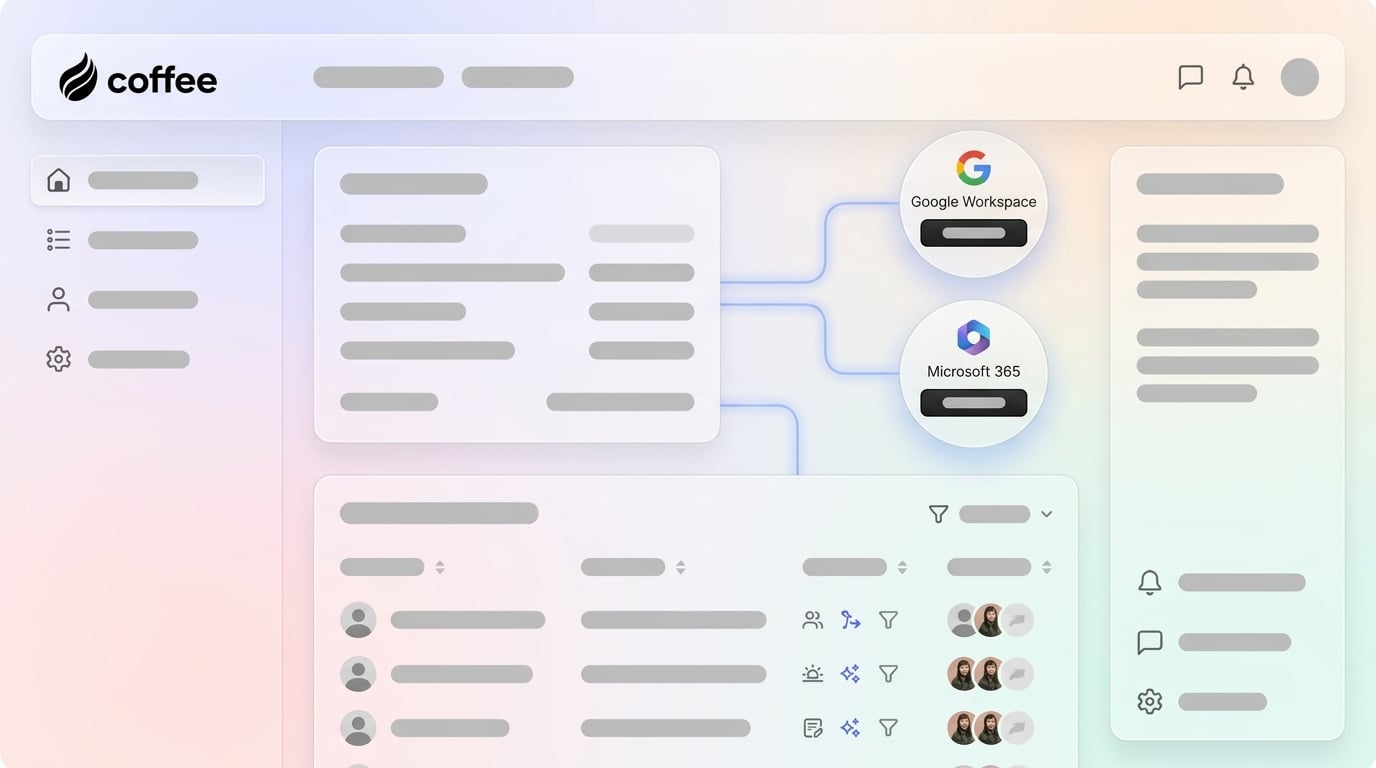
Coffee acts as an autonomous CRM agent instead of a passive tracking script. The platform pixel identifies named website visitors and suggests the top two or three buyer-fit contacts within visiting companies. It then logs enriched data to Salesforce or HubSpot automatically, so reps avoid manual updates.

Pros: Person-level identification with buyer persona matching, automated CRM enrichment, Google Workspace and Office 365 integration, removes data entry.

Cons: Newer platform, premium pricing for full feature access.
2026 Pricing: Seat-based model with a simple, predictable structure.
Coffee’s agent-driven approach creates a clear edge over Lead Forensics and Leadfeeder. By automating lead qualification and CRM updates, teams reclaim hours each week that previously went to manual admin work. The platform also manages the pipeline from identification through opportunity creation, which turns website traffic into sales-ready opportunities without human intervention.

2. RB2B – Best Free Person-Level Alternative for US Traffic
RB2B delivers person-level visitor identification through its free tier, which helps bootstrapped teams move away from expensive Lead Forensics contracts. The platform focuses on US traffic and achieves strong person-level identification rates compared to company-only tools.
Pros: Free tier with person-level ID, real-time Slack alerts, ICP filtering, LinkedIn profile access.
Cons: US-only person identification, limited CRM automation on the free plan.
2026 Pricing: Free tier available, paid plans unlock advanced features and higher volumes.
3. Warmly – Best AI-Powered Outreach Automation
Warmly combines visitor identification with automated outreach sequences that trigger based on behavior and company fit. The platform routes target accounts to specific sales reps and launches immediate follow-up workflows.
Pros: Automated outreach sequences, behavioral triggers, rep routing, real-time notifications.
Cons: Higher price point, more complex setup for advanced workflows.
2026 Pricing: Warmly’s starting price is $15,000 per year.
4. Visitor Queue – Best Budget Alternative for Small Teams
Visitor Queue offers company-level identification with basic contact data at accessible pricing, which suits small teams that want a Lead Forensics alternative without enterprise costs. The platform supports multiple CRM integrations including HubSpot, Salesforce, and Pipedrive.
Pros: Affordable pricing, multiple CRM sync options, global company database, ML-based ICP matching.
Cons: Limited person-level identification, basic automation features.
2026 Pricing: Starting at $22/month.
The remaining five alternatives serve more specialized use cases. While the top four tools cover broad visitor identification and CRM needs, the next group focuses on analytics depth, simple setup, or specific platforms such as WordPress.
Lead Forensics Competitors for Specialized Use Cases
5. Factors.ai – Best Analytics Integration and Attribution
Factors.ai centers on account-based analytics with visitor identification capabilities, giving marketing teams detailed attribution and behavioral insights. The platform connects visitor data to revenue outcomes for clearer campaign performance reporting.
Pros: Advanced attribution modeling, revenue analytics, multi-touch tracking, integrations with marketing automation platforms.
Cons: Steeper learning curve, higher price point than basic visitor ID tools, benefits most teams with marketing operations support.
2026 Pricing: Custom pricing based on tracked accounts and data volume.
6. Artisan – Best WordPress-Native Visitor Identification
Artisan focuses on WordPress-native visitor identification and offers a smooth plugin-based setup. Content-driven businesses that rely on WordPress gain simple implementation without heavy technical work.
Pros: Tight WordPress integration, quick installation, straightforward interface for non-technical teams.
Cons: Narrower feature set than full-funnel platforms, fewer enterprise-focused analytics options.
2026 Pricing: Tiered plans based on tracked visitors and sites.
7. Albacross – Best Enterprise-Light Account Identification
Albacross targets mid-market companies that want enterprise-style features at more accessible pricing. It provides company identification with strong data enrichment that supports account-based marketing programs.
Pros: Robust firmographic enrichment, ABM-friendly features, integrations with major CRMs and marketing tools.
Cons: Focuses on company-level data, requires configuration to match complex sales processes.
2026 Pricing: Custom quotes based on traffic and feature needs.
8. Whoisvisiting – Best Simple Setup for Fast Deployment
Whoisvisiting delivers straightforward company identification with minimal configuration. Teams that want plug-and-play visitor tracking without complex workflows often choose this option.
Pros: Very quick setup, easy interface, clear company visit reports.
Cons: No person-level identification, lighter automation and reporting than modern AI-driven tools.
2026 Pricing: Fixed monthly plans based on pageviews.
9. Leadberry – Free Tier Option for Early-Stage Teams
Leadberry offers basic visitor identification through a free tier that suits early-stage companies testing visitor tracking. Teams can validate the channel before committing to paid solutions.
Pros: Free entry plan, simple reports, integrates with common CRMs.
Cons: Limited data depth, fewer automation features, primarily company-level insights.
2026 Pricing: Free tier plus affordable paid upgrades.
Lead Forensics vs Leadfeeder Differences and Coffee’s Role
Lead Forensics and Leadfeeder both focus on company-level identification, yet they differ in pricing and deployment. Lead Forensics pricing ranges from $6,000 to $98,000 annually with traffic-based quotas. Leadfeeder starts at €99 per month with transparent tiers but still lacks contact-level identification.
Lead Forensics typically includes dedicated account management and heavier onboarding, while Leadfeeder offers a self-service setup that suits smaller teams. Both tools share a core limitation because neither provides person-level identification, which modern sales teams now expect.
Lead Forensics delivers less value in 2026 for many organizations. With 71% of sales reps reporting excessive time spent on data entry, tools that require manual CRM exports and lead qualification slow teams instead of accelerating revenue. Beyond workflow issues, Lead Forensics also faces technical constraints. Remote work caused single-digit percentage changes to IP match rates, which algorithms quickly adapted to restore, yet IP-based methods still depend on corporate networks.
AI-powered alternatives such as Coffee rely on ground-truth data and broader matching techniques, so they achieve stronger identification without depending solely on IP addresses. When Coffee automatically identifies visitors, suggests qualified contacts, and enriches CRM records, teams reclaim the time previously lost to manual exports and data cleanup.

Best Lead Forensics Alternatives by Company Size and Pain Point
This matrix pairs common company sizes and challenges with a practical alternative, so teams can move from evaluation to a short list quickly.
| Company Size | Primary Pain Point | Best Alternative | Key Benefit |
|---|---|---|---|
| SMB (10-50 employees) | Manual CRM work | Coffee | Automated pipeline creation and enrichment |
| Startup (1-10 employees) | Budget constraints | RB2B | Free person-level identification for US visitors |
| Mid-market (50-200 employees) | Lead qualification | Warmly | AI-powered outreach and routing |
| Enterprise (200+ employees) | Attribution tracking | Factors.ai | Revenue-focused analytics and attribution |
2026 Pricing and CRM Integration Details
| Tool | Starter Price | Salesforce Sync | HubSpot Sync | Key Automation |
|---|---|---|---|---|
| Coffee | Seat-based | Native | Native | Auto-enrichment |
| RB2B | Free | Via Zapier | Via Zapier | Slack alerts |
| Warmly | $15,000 per year | Native | Native | Outreach sequences |
| Leadfeeder | €99/month | Basic | Basic | Lead scoring |
Coffee’s integrated approach replaces multiple point solutions with one platform, which improves ROI through consolidated functionality. See how Coffee’s pricing compares to experience automated visitor identification with full CRM integration.

Lead Forensics and Leadfeeder Alternatives FAQ
What is the best free Leadfeeder alternative?
RB2B offers the most comprehensive free alternative to Leadfeeder and focuses on person-level visitor identification for US traffic without monthly fees. Leadfeeder’s free tier only shows company names for seven days, while RB2B reveals individual visitor names, job titles, and LinkedIn profiles. The free plan also includes real-time Slack notifications and basic ICP filtering, which makes it a strong fit for startups and small teams that want to test visitor identification before upgrading.
How does RB2B compare to Leadfeeder?
RB2B surpasses Leadfeeder by providing person-level identification, while Leadfeeder offers only company-level data on its starter plans. RB2B focuses on strong person-level coverage for US visitors, whereas Leadfeeder emphasizes global company identification. Teams that value contact-level insights over broad geographic reach usually see more value in RB2B.
What makes Coffee different from Warmly?
Coffee operates as an integrated CRM agent that manages the full lead lifecycle from visitor identification through pipeline management. Warmly concentrates on outreach automation and triggered sequences. Coffee enriches CRM records automatically and suggests buyer-fit contacts based on visitor behavior, which removes manual data entry. Warmly excels at orchestrating outreach but often requires additional tools for complete CRM management, while Coffee consolidates more sales functions in one place.
Who are Lead Forensics’ main competitors in 2026?
Lead Forensics now competes with modern alternatives that deliver clearer value. Coffee leads as the best integrated CRM agent with person-level identification and automated pipeline management. RB2B challenges legacy tools with free person-level tracking, and Warmly focuses on AI-powered outreach automation. Traditional players such as ZoomInfo and 6sense still serve enterprise accounts, yet newer platforms like Coffee and RB2B often fit SMB and mid-market teams better through more affordable, feature-rich offerings.
What is Lead Forensics pricing in 2026?
Lead Forensics uses traffic-based pricing that is not publicly listed and requires a custom quote. Costs can rise as website traffic grows, which pushes many teams toward alternatives with clearer pricing. Coffee’s seat-based structure usually feels more predictable and easier to forecast.
How accurate is visitor identification in 2026?
Modern visitor identification tools reach 30 to 65% company-level match rates for B2B traffic and 5 to 15% person-level match rates. The shift to remote work disrupted IP-based identification because home internet connections do not map to corporate IP ranges, although algorithms have adapted and reduced the impact. Tools like Coffee combine IP data with additional signals to improve accuracy, while legacy platforms such as Lead Forensics still struggle with post-cookie constraints. Person-level identification remains more challenging than company-level tracking but continues to improve.
Do I need visitor identification if I already use a CRM?
Visitor identification turns an existing CRM from a passive database into an active lead generation engine. Most website visitors never complete forms, which leaves the majority of traffic anonymous in traditional CRM setups. Visitor identification tools such as Coffee automatically add qualified prospects who showed intent by visiting your site, which closes the gap between marketing traffic and sales pipeline. This connection turns your website into a continuous lead source instead of a static marketing asset.
Transform anonymous website traffic into qualified pipeline opportunities with Coffee’s integrated CRM agent. Start your free trial and experience automated visitor identification that saves significant admin time while delivering higher quality leads than legacy alternatives.