Written by: Doug Camplejohn, CEO & Co-Founder, Coffee | Last updated: September 8, 2026
Key Takeaways
- Leadfeeder identifies about 10% of actual visitors and focuses on company-level data, so teams still need separate tools for contact discovery.
- Post-merger price increases of 20–40% and a strict 30-day auto-renewal policy are pushing teams to explore other options.
- Most alternatives stay at company level, while person-level tools like RB2B and Warmly focus on US traffic because of GDPR limits on EU personal data.
- Transparent pricing starts at $49/month (Snitcher) and €59/month (Albacross), while enterprise tools like ZoomInfo list around $14,995/year.
- Coffee combines visitor identification with an AI agent that automates CRM entry and outreach, so your team spends less time on repetitive tasks. See Coffee’s pricing and how it fits your stack.
Why Teams Look For Leadfeeder Alternatives
Many teams look at Leadfeeder competitors because of performance and workflow gaps. Leadfeeder’s identification rate sits around 10% of actual visitors for many teams, a structural limit of reverse-IP technology that worsens as remote work grows, since home ISPs rarely map to corporate headquarters. The tool identifies companies but not specific people, so sales teams still rely on secondary tools for contact discovery.
Pricing and contracts add friction. Annual plans auto-renew and require cancellation 30 days before the renewal date, a policy that G2, Capterra, and Trustpilot reviewers report is strictly enforced. Users also flag CRM sync discrepancies, where visitor data in Leadfeeder does not always match what appears in HubSpot after sync. That mismatch erodes confidence in routing decisions. For GDPR-sensitive teams, the company-level-only model keeps risk low, but sales reps still carry the manual work of finding the right contact.
How To Choose The Right Leadfeeder Alternative
This simple framework helps you narrow the field before diving into individual tools.
- GDPR-compliant EU data needs: Consider Leadinfo, Albacross, or Snitcher. All three are EU-native with company-level identification under a legitimate interest basis.
- Contact-level identification for US traffic: Look at RB2B (from $79/month) or Warmly (from $10,000/year). Both resolve individual US visitors with name, title, and email.
- Enterprise database depth: ZoomInfo or 6sense provide large contact databases and outbound infrastructure at enterprise price points with annual contracts.
- Transparent, self-serve pricing: Snitcher (from $49/month) and Albacross (from €59/month) publish clear pricing without sales calls.
- All-in-one solution with CRM automation: Coffee combines visitor identification with an AI agent that handles data entry, enrichment, and outreach, so your team spends more time selling and less time updating records.
Top Leadfeeder Competitors At A Glance
Once you know your criteria, this overview helps you scan the main alternatives quickly.
- Albacross – EU-native company-level identification with built-in AI email and LinkedIn sequences; pricing from €59/month (annual).
- Leadinfo – Netherlands-based company-level ID with Leadbot chat and Autopilot; now includes former Visitor Queue customers; from €69/month (annual).
- Snitcher – Company-level ID with transparent pricing from $49/month, unlimited seats, and all features on every plan.
- ZoomInfo – Enterprise contact database with WebSights visitor module, US-only and probabilistic; list price from about $14,995/year.
- RB2B – Person-level ID for US traffic only, with a free tier and paid plans from $79/month.
- Warmly – Person-level de-anonymization with a chat engagement layer, being acquired by HubSpot (announced June 2026); from $10,000/year.
- Factors.ai – Mid-market ABM analytics combining visitor ID with attribution; demo-gated pricing.
- 6sense – Enterprise ABM platform with predictive intent; quote-based, multi-quarter deployments.
Detailed Comparison Of Key Alternatives
Albacross
Albacross is an EU-native company-level identification tool with its strongest fit in the Nordics, DACH, and UK. Pricing runs €59/month (Starter), €149/month (Professional), and €375/month (Organisation), all annual-only and metered in company bands plus reveal credits. Email credits are sold separately at €0.16–€0.30 each, which adds a variable cost on top of the base plan. Albacross is GDPR-compliant with EU data processing, but it remains company-level only, so contact reveals depend on relatively small credit allowances. Annual plans follow the 30-day auto-renewal policy mentioned earlier. Albacross works best for phone-led European sales teams that want identification and outreach in one dashboard.
Leadinfo
Leadinfo is a Netherlands-based company-level ID tool that bundles Leadbot chat, session recordings, flame-scoring, and email-plus-LinkedIn Autopilot. Pricing runs from €69/month (Starter) to €359/month (Pro) with annual billing, and all data is EU-hosted. However, person-level contact data is frequently stale, and there is no public data API, which limits advanced integrations. Leadinfo now serves former Visitor Queue customers after the acquisition. It suits Benelux and European SMB sales teams that want real-time visual prospecting.
Snitcher
Snitcher offers company-level identification with global coverage. Pricing starts at $49/month, metered by unique companies identified, with every feature on every plan and unlimited seats. Snitcher is GDPR-compliant, and ISO 27001 certification is in progress. The platform identifies the visiting company from an anonymous IP with firmographics and on-site journey data, and names individuals only when they self-identify. Snitcher fits SMBs that want transparent pricing and simple Slack or email alerts.
ZoomInfo
ZoomInfo is an enterprise sales platform with a large contact database, enrichment, and advanced search. Its WebSights visitor module is US-only and probabilistic and cannot be purchased as a standalone product. List price is approximately $14,995/year for ZoomInfo Professional (3 seats, 5,000 credits), though buyers often negotiate below list. GDPR posture varies and remains primarily US-focused. ZoomInfo works best for enterprise teams that need database depth and outbound infrastructure.
RB2B
RB2B provides person-level identification for US traffic only, delivering full name, title, LinkedIn URL, and business email via Slack in real time. The free tier covers 150 resolutions at company level only (since January 2026). Paid plans include Starter at $79/month, Pro at $149/month, Pro+ at $199/month, plus $99/month per extra domain. EU and UK personal data is excluded from the product by design. RB2B is best for US-focused teams that want Slack-delivered person-level alerts.
Warmly
Warmly bundles person-level de-anonymization with a live engagement layer that includes an AI chatbot, human chat handoff, and forms-free meeting booking. Pricing ranges from $10,000/year (AI Web-Deanonymization) to $30,000/year (AI Inbound Autopilot) and is sales-gated. Adding the GTM Signals Package doubles the annual cost of the entry tier. The person database focuses on US home addresses, while EU visitors resolve at company level. Warmly announced a signed agreement to be acquired by HubSpot on June 30, 2026, so teams should verify standalone availability before committing. Warmly suits inbound-heavy revenue teams that want chat and outbound workflows in one place.
Factors.ai
Factors.ai is a mid-market ABM analytics platform that combines visitor identification with AI-driven attribution. Pricing historically included a Basic tier at about $399/month (annual) and Growth at about $999/month, but the pricing page moved to demo-gated quotes as of July 2026. GDPR compliance varies by region. Factors.ai focuses on company-level data with some person enrichment and works best for mid-market SaaS teams that want visitor ID plus attribution reporting in one tool.
6sense
6sense is the enterprise default for account-based marketing, where visitor identification sits inside a broader buying-stage prediction model. Pricing is quote-based in the enterprise band, and most deployments take multiple quarters to complete. The platform is GDPR-compliant with enterprise security and offers both company and person-level data. 6sense fits enterprise teams with dedicated ABM operations and six-to-seven-figure ACVs.
| Tool | Starting Price | Data Level | GDPR / EU Compliance |
|---|---|---|---|
| Albacross | €59/mo (annual) | Company | Strong (EU-native) |
| Leadinfo | €69/mo (annual) | Company | Strong (EU-hosted) |
| Snitcher | $49/mo | Company | Strong (ISO 27001 in progress) |
| RB2B | Free–$79/mo | Person (US only) | Limited (US-only) |
| Warmly | $10,000/yr | Person (US only) | Limited (US-home-address only) |
| ZoomInfo | ~$14,995/yr | Contact database | Varies (US-focused) |
| Factors.ai | Demo-gated | Company | Varies |
| 6sense | Quote-based | Company + Person | Enterprise-grade |
The 2026 Market Shift: The Visitor Queue Acquisition
Beyond individual tools, a major acquisition in early 2026 reshaped the visitor identification landscape. Leadinfo acquired Visitor Queue on January 20, 2026, its fifth acquisition since joining team.blue in 2022. The deal combined Leadinfo’s 9,000+ European customers with Visitor Queue’s North American base. As of July 24, 2026, Visitor Queue is no longer available as a standalone product, visitorqueue.com redirects to the Leadinfo homepage, and customers are being migrated.
Leadinfo’s CEO Quirijn Kleppe stated that the priority is customer support and product continuity, but contract terms and pricing inheritance remain unconfirmed. Former Visitor Queue customers should verify which Leadinfo tier they will inherit and export historical visitor data before migrating. The acquisition gives Leadinfo a stronger North American footprint and increases competition among Leadfeeder alternatives across both continents.
Introducing Coffee: The Agent-Led Alternative
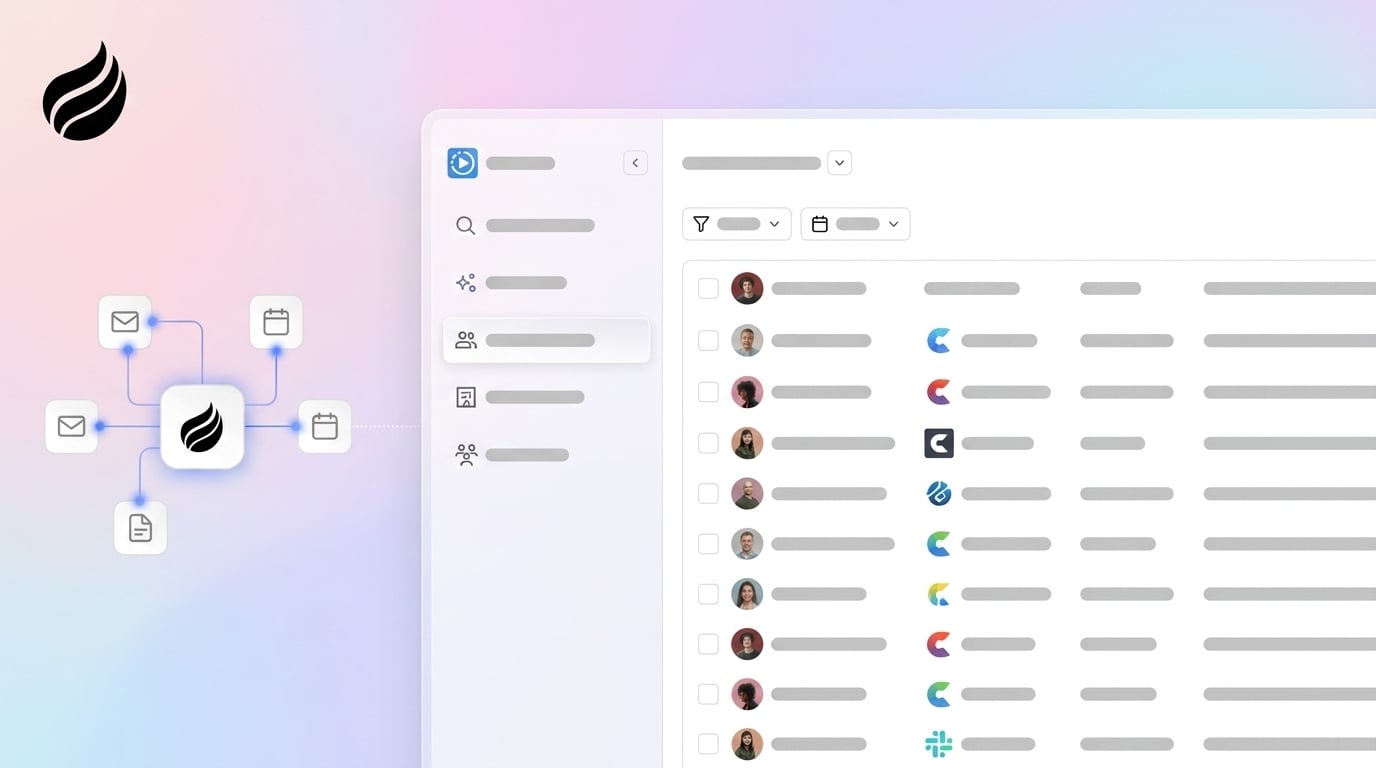
Coffee is an AI agent that automates data entry, enriches contacts, and delivers pipeline intelligence. It turns anonymous traffic into actionable pipeline without manual labor. Coffee’s Visitor Identification feature includes Suggested Leads. Instead of showing only a raw company name or a long list of people, Coffee uses your buyer persona to recommend two or three specific people inside a visiting company, with LinkedIn profiles surfaced for instant outbound.

Coffee also closes the loop after identification. It adds the right contact to your CRM automatically, pre-enriched with job title, funding data, and LinkedIn profile, and can auto-enroll them into a Campaigns sequence. These steps happen without manual clicks. Coffee works as a standalone CRM for SMBs or as a Companion App layered on top of Salesforce or HubSpot. It syncs data automatically and often removes 8–12 hours of weekly manual data entry for each rep.

See how Coffee compares and turn your anonymous traffic into pipeline.

Pricing Comparison And Hidden Costs
Pricing across this category often feels opaque. Leadfeeder’s entry paid tier is €99/month on annual billing, charged upfront for 12 months, which creates about a €1,188 commitment before you know how it performs with your traffic mix. Albacross sells email credits separately at €0.16–€0.30 each, adding usage-based costs. Warmly’s GTM Signals Package is a separate $10,000/year add-on, so adding signals to the entry tier doubles the annual cost. RB2B charges $99/month per extra domain. Factors.ai, 6sense, and ZoomInfo all gate real pricing behind a demo, which makes true cost comparison difficult without a sales conversation.
Teams should also watch for the 30-day auto-renewal policy mentioned earlier, which applies to several tools. Coffee takes a different approach. Its simple seat-based pricing includes the agent’s unlimited work, so you avoid credit metering, per-feature add-ons, and surprise renewal charges.
Frequently Asked Questions
What Is The Best Leadfeeder Alternative For GDPR Compliance?
Leadinfo, Albacross, and Snitcher are the strongest GDPR-compliant options. All three are EU-native with company-level identification processed under a legitimate interest basis. They store data within the EU and do not process personal data of identified individuals, which keeps the GDPR risk profile low. Leadfeeder itself remains GDPR-compliant with ISO 27001 and ISO 27701 certifications. For teams that need person-level identification in the EU, options narrow significantly because most person-level tools (RB2B, Warmly) are US-only by design, and EU personal data is excluded from their products.
What Is The Difference Between Company-Level And Contact-Level Visitor ID?
Company-level tools such as Leadinfo, Albacross, Snitcher, and Leadfeeder identify the organization visiting your site using IP-to-company matching. They reveal the company name, firmographics, and pages visited, but not the specific person browsing. Contact-level tools such as RB2B and Warmly resolve individual visitors with name, title, and email, but they typically focus on US traffic because of GDPR restrictions on processing EU personal data at the individual level. Coffee’s Suggested Leads feature bridges this gap. Even when only a company is identified, Coffee uses your buyer persona to recommend specific individuals inside that company who are most likely to be your buyer, with LinkedIn profiles ready for outreach.
How Much Do Leadfeeder Alternatives Cost?
Pricing ranges from free tiers, such as RB2B at 150 resolutions per month and Leadfeeder Lite at 100 companies per month, to entry paid plans at $49–$79 per month (Snitcher, RB2B) and €59–€69 per month (Albacross, Leadinfo). Mid-market tools like Factors.ai have moved to demo-gated pricing. Enterprise tools like ZoomInfo list at approximately $14,995 per year for a three-seat plan, while 6sense is quote-based and typically requires a multi-quarter deployment. Warmly starts at $10,000 per year for its entry tier. Hidden costs such as credit overages, add-on modules, and annual auto-renewal commitments often make the real cost higher than the advertised starting price.
Is Coffee A Good Leadfeeder Alternative?
Coffee works well as a Leadfeeder alternative for teams that want both visitor identification and automated follow-up. It offers visitor identification with Suggested Leads, recommending specific people to contact based on your buyer persona, plus an AI agent that automates data entry, enrichment, and outreach. Coffee functions as a standalone CRM or alongside Salesforce and HubSpot, and it reduces repetitive admin work that traditional visitor ID tools leave to reps. Coffee identifies the visiting company, surfaces the right contacts, creates and enriches records automatically, and can enroll prospects into a Campaigns sequence without manual intervention. Coffee is SOC 2 Type 2 and GDPR compliant, and pricing is simple seat-based without credit metering.
What Happened To Visitor Queue?
Visitor Queue was acquired by Leadinfo on January 20, 2026, and no longer operates as a standalone product. The visitorqueue.com domain now redirects to leadinfo.com, and existing Visitor Queue customers are being migrated to Leadinfo’s platform. Leadinfo has not publicly confirmed how existing Visitor Queue contracts will be handled for pricing or contract length. Former Visitor Queue customers should verify their new tier, confirm pricing terms, and export any historical visitor data before the migration is finalized, since privacy regulations generally prevent exporting historical visitor data after switching platforms.
Conclusion
The right Leadfeeder competitor depends on your region, budget, and data needs. EU-focused teams with GDPR requirements will gravitate toward Leadinfo, Albacross, or Snitcher. US-focused teams that want person-level data can evaluate RB2B or Warmly, keeping in mind that Warmly’s acquisition by HubSpot introduces some product continuity uncertainty. Enterprise teams with ABM budgets can explore 6sense or ZoomInfo.
Teams that want to reduce manual data entry and get actionable visitor insights without stitching together multiple point tools will find Coffee a strong fit. Its AI agent identifies the right people, enriches records, and handles follow-up automatically. Start your free trial of Coffee and see how it changes your visitor-to-pipeline workflow.