Written by: Doug Camplejohn, CEO & Co-Founder, Coffee
Key Takeaways
-
Snitcher’s $49/month pricing strains SMB budgets. Seven alternatives under $50/month deliver stronger ROI, with several free tiers.
-
Coffee ranks #1 with per-seat pricing, individual and company identification, AI-suggested prospects, and direct CRM integrations.
-
RB2B offers free person-level identification for US traffic (150 credits/month). Visitor Queue starts at $22/month for company tracking.
-
Leadinfo (€49/month) focuses on GDPR-compliant EU tracking. These tools emphasize named visitors instead of company-only records like Snitcher.
-
Start with Coffee’s automated visitor-to-meeting workflow for pixel-based tracking, AI targeting, and workflows that turn anonymous traffic into booked meetings.
Top Cheap Snitcher Alternatives Ranked by Price (2026)
The table below compares seven Snitcher alternatives on starting price and core capabilities so you can quickly shortlist tools that match your budget and data needs.

|
Tool |
Starting Price |
Key Features |
|---|---|---|
|
Coffee |
Per-seat pricing |
Individual and company identification, AI-suggested prospects, CRM sync |
|
RB2B |
Free (150 credits monthly) |
Person-level US identification, LinkedIn profiles, Slack notifications |
|
$22/month |
Company tracking, decision-maker contact data |
|
|
€49/month |
Cookieless EU tracking, GDPR compliant |
|
|
€99/month |
CRM integrations, automated workflows |
|
|
Free tier |
Multi-provider data, person and company identification |
|
|
Freemium model, bundled prospecting tools |
How We Ranked These Tools for Cost and Results
Our ranking prioritizes five factors: price-to-ROI ratio, identification accuracy for named individuals, setup simplicity, CRM integrations, and lead quality from targeting. We weighted identification accuracy most heavily because converting anonymous visitors into pipeline requires knowing who visited, not just which company. This focus on individual-level data explains why Coffee ranks #1, since it identifies visitors and suggests which specific people to contact at each account.
7 Cheapest Snitcher Alternatives Ranked
#1 Coffee – Best Overall ROI with Targeted Leads
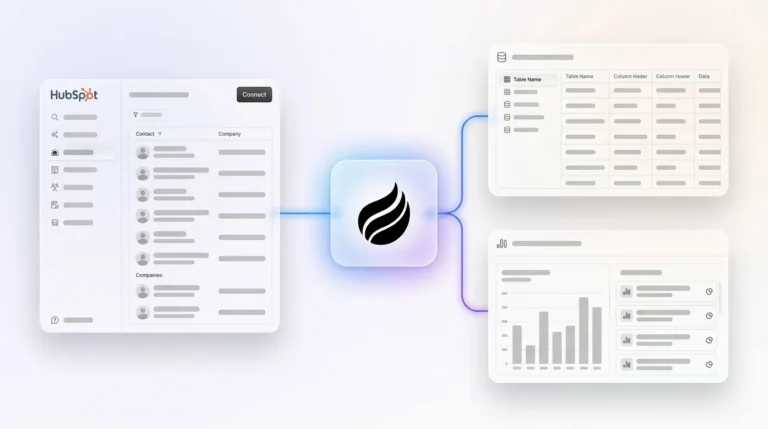
Coffee turns anonymous website traffic into clear prospects through a tracking pixel that identifies individuals and analyzes how well they match your ideal customer profile. Unlike Snitcher’s company-only records, Coffee highlights specific people inside visiting accounts and surfaces their LinkedIn profiles so reps can reach out immediately.

Pricing: Coffee uses seat-based pricing that includes agent labor, which often costs less than Snitcher combined with separate enrichment tools.
Key Differentiators: Coffee’s tracking pixel generates custom scripts that capture both company and person-level data, then applies your buyer persona to suggest 2–3 high-fit contacts for LinkedIn or email outreach. Real-time Slack alerts flag priority visitors, and reps can add them to Coffee’s CRM with one click, using pre-filled enrichment details.
ROI Advantage: Customers report consistent meetings from identified visitors, with Coffee’s targeting approach converting better than generic company lists. One custom AI solutions firm doubled lead volume after replacing manual spreadsheet tracking with Coffee’s automated visitor-to-outreach workflow.

Try Coffee’s persona-matched lead generation to replace Snitcher’s company-only tracking with individual prospect suggestions and automated follow-up.
#2 RB2B – Free Person-Level Identification for US Traffic
RB2B’s free plan includes 150 monthly credits for US visitor identification, providing names, LinkedIn profiles, and Slack alerts. The Pro plan costs $149/month for 300 credits and adds CRM integrations.
Pros: Generous free tier for testing, detailed person-level data, strong accuracy on US traffic.
Cons: Credit caps, US-only coverage, no AI guidance on which contacts to prioritize.
Versus Snitcher, RB2B reveals individuals where Snitcher only lists companies, but it does not offer Coffee’s guided outreach suggestions.
#3 Visitor Queue – Budget Company Identification
Visitor Queue starts at $22/month for company tracking and decision-maker contact data, with plans scaling to $2,299/month for high-traffic sites. The platform centers on company-level analytics with added contact details.
Pros: Low entry price, includes decision-maker contacts.
Cons: Lower match rates than some rivals, focuses on companies instead of named visitors.
#4 Leadinfo – GDPR-Compliant EU Tracking
Leadinfo costs €49/month and targets European B2B traffic with cookieless tracking. The platform offers 100% EU hosting in Ireland and ISO 27001 certification for strict compliance needs.
Pros: Strong EU privacy posture, cookieless tracking, reliable performance on European visitors.
Cons: Europe-focused coverage, company-level data only, higher price than several cheaper options.
#5 Leadfeeder – CRM Integration Focus
Leadfeeder offers a free plan with 100 identified companies and 7-day data retention, with paid plans starting at €99/month for 50 identified companies. It emphasizes CRM connections and workflow automation.
Pros: Free tier for light usage, deep CRM integrations.
Cons: Tight limits on the free plan, cookie-based tracking, moderate identification rates.
#6 Warmly – Multi-Provider Data Waterfall
Warmly includes a free tier for basic features and uses a multi-provider waterfall to improve match rates. It reports identifying around 15% of contacts for US traffic and about 65% of companies across 1,600+ predominantly US organizations.
Pros: Strong match rates, free tier, both person and company data.
Cons: Higher pricing for the Data Agent tier that unlocks advanced capabilities.
#7 Apollo.io – Freemium with Prospecting Suite
Apollo.io uses a freemium model, with the Basic plan at $49 per user per month on annual billing. It combines visitor identification with a full prospecting and outreach toolkit.
Pros: All-in-one prospecting platform, free access for initial testing.
Cons: Higher complexity than focused trackers, visitor identification plays a secondary role to prospecting.
Beyond feature lists and pricing, real user experiences help reveal which tools actually fix Snitcher’s pain points in daily use.
Best Overall: Why Coffee Beats Snitcher on Cost and Meetings
Coffee’s strength comes from pixel-based individual identification paired with AI-driven outreach suggestions and automatic CRM enrichment. As noted earlier, this integrated approach removes the extra tool costs that many Snitcher users face. While Snitcher lists visiting companies and then requires separate tools for contact discovery, Coffee delivers a complete visitor-to-outreach workflow inside one platform.
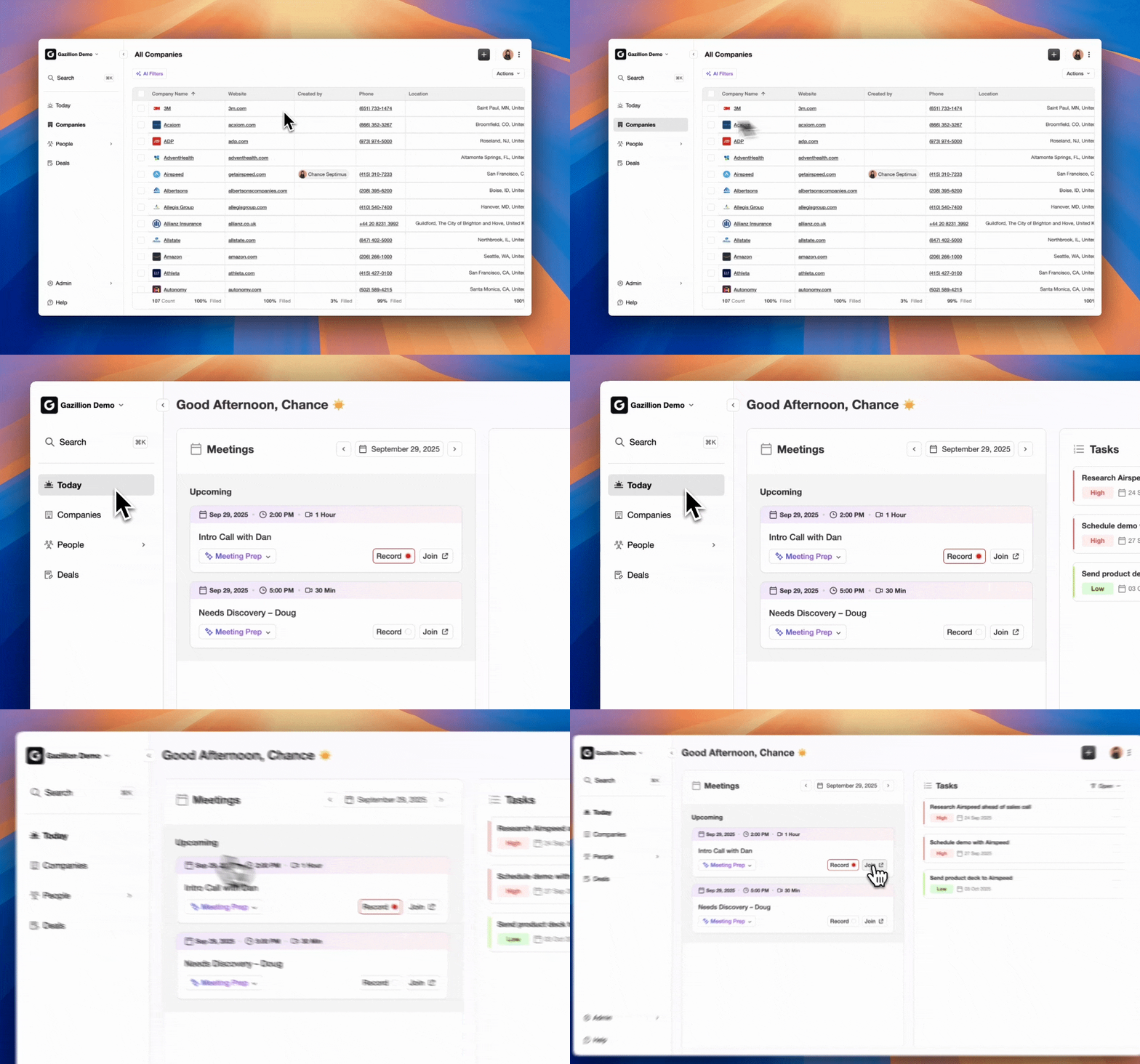
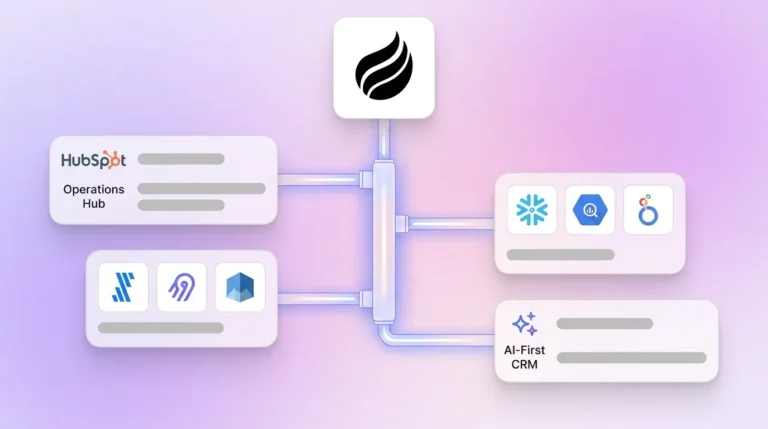
Coffee also works as both a standalone CRM and a companion to Salesforce or HubSpot, which gives teams flexibility if they already rely on existing systems. This combination of flexible deployment and integrated workflows drives stronger ROI than a company-only tracker.

Start your 5-minute Coffee setup to add pixel-based visitor identification and instant AI-suggested leads without rebuilding your stack.
Choosing the Right Cheap Snitcher Alternative for Your Team
Bootstrap startups often start with RB2B’s free tier or Coffee’s entry-level pricing to unlock individual identification quickly. Growing SMBs gain more from Coffee’s Companion App and CRM integrations, while EU-focused companies rely on Leadinfo’s GDPR-compliant, cookieless tracking. Free tiers can work for early testing, but they usually limit scale and CRM sync, which Coffee solves with end-to-end workflow automation.
Snitcher Alternatives FAQ
What are the best free Snitcher alternatives?
RB2B offers the strongest free tier with 150 monthly credits for US visitor identification, including LinkedIn profiles and Slack alerts. Warmly provides a free tier for basic multi-provider matching, and Clearbit supplies limited freemium access. Coffee does not have a free tier but keeps entry-level pricing low while adding the AI targeting described earlier, which free tools do not match.
Which tool provides the cheapest named individual identification?
Coffee delivers strong value for named visitor identification through seat-based pricing that includes AI-suggested prospects and CRM automation. RB2B’s free tier identifies individuals at no cost, but Coffee’s integrated flow from tracking to suggested outreach often produces better ROI for teams focused on turning traffic into meetings.
How does Coffee’s ROI compare to Snitcher?
Coffee replaces Snitcher plus separate enrichment and outreach tools by combining visitor identification, targeting, and CRM workflows in one product. Customers report booked meetings from Coffee’s suggested outreach, while Snitcher users still need extra tools to find contacts and run campaigns from company-only logs.
What are 2026 pricing trends for visitor identification tools?
Budget-friendly options dominate 2026, with most tools offering free tiers or plans under $50 per month. Visitor Queue starts at $22/month, Leadinfo at €49/month, and Leadfeeder at €99/month, while Snitcher starts from $49. Coffee’s seat-based model keeps costs predictable as teams grow, without per-visitor fees.
How quickly can I implement these Snitcher alternatives?
Most alternatives install in under five minutes with a simple pixel or script. Coffee generates custom tracking scripts for fast deployment, RB2B supplies lightweight JavaScript snippets, and Leadinfo offers cookieless setup that avoids consent banners in many cases. Coffee’s edge comes from immediate AI-suggested leads, which removes the manual prospect research that usually follows basic visitor identification.