Written by: Doug Camplejohn, CEO & Co-Founder, Coffee
Key Takeaways
- Sales reps lose 71% of their time to non-selling admin work, while automation gives them back 8-12 hours each week.
- Automation reaches 96-99% data accuracy and improves forecast reliability by 50%, compared to error-prone manual entry.
- AI agents scale outreach, managing 300-500 prospects per rep and handling a growing share of initial outbound by 2026.
- Automation cuts email response time from nearly an hour to under 30 seconds and keeps every step of the process consistent.
- Consolidate tools and see fast payback with Coffee’s agent-led platform, and start a Coffee plan that focuses on immediate ROI.
How Coffee Automation Compares To Manual Sales Workflows
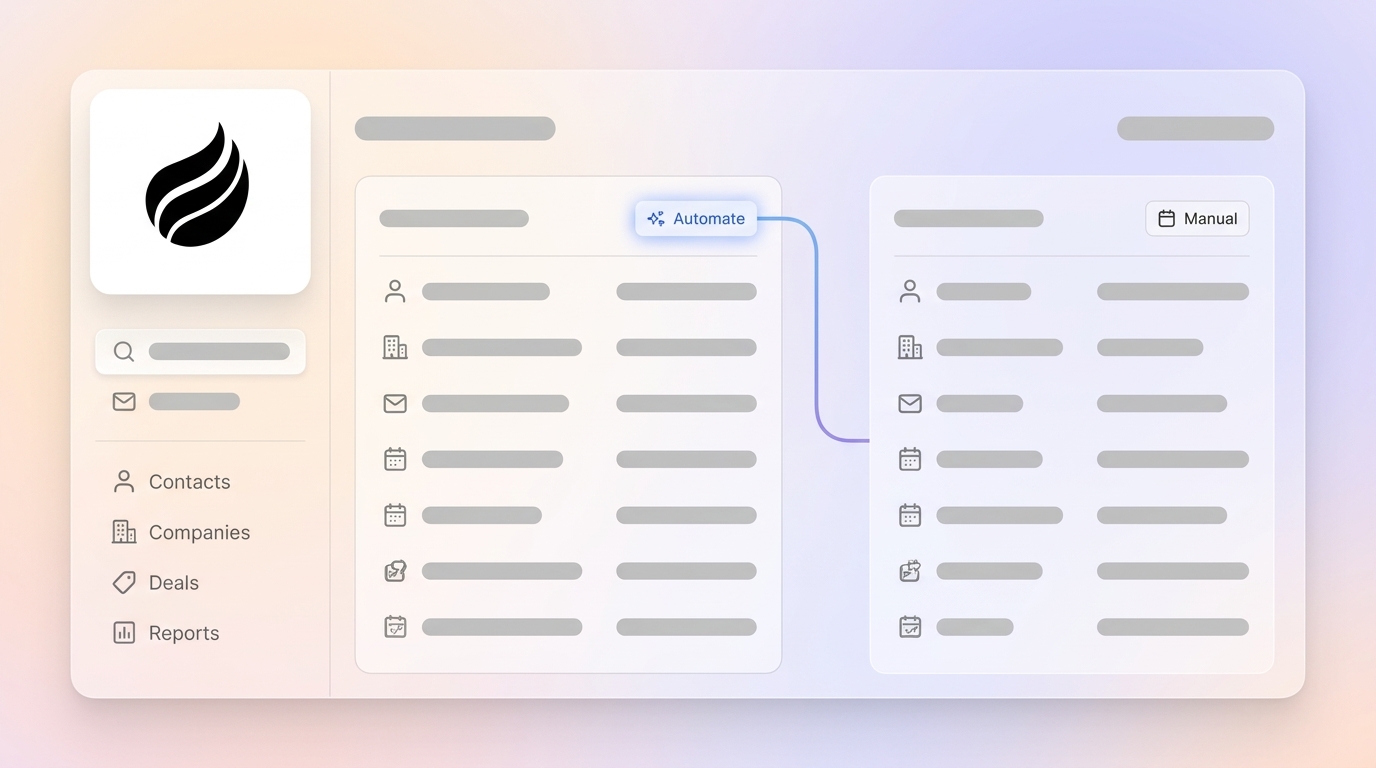
Sales workflow automation uses AI systems to handle data capture, enrichment, and pipeline management with minimal human effort. Coffee’s agent logs emails, enriches contacts, and generates meeting summaries automatically. Manual processes force reps to jump between tools like HubSpot, ZoomInfo, and Gong while typing everything in by hand.

The core difference between these approaches is data quality and the time it takes to maintain it. Legacy CRMs depend on busy reps to keep records updated, and 71% of their time disappears into this maintenance work. Reps still end up with incomplete and inconsistent records. Coffee’s agent-led approach breaks this cycle by capturing accurate information automatically, so good data enters the system without extra effort from the team.
Evaluation Criteria For Coffee vs Manual Processes
We evaluated sales workflow automation against manual processes across nine criteria: time efficiency, data accuracy, scalability, lead management, response speed, error reduction, forecast accuracy, process consistency, and cost efficiency. These metrics map directly to RevOps pain points, including low CRM adoption and weak forecasting that plague manual systems. The comparison below shows how these criteria play out in real workflows.
Side-by-Side Comparison: Automation vs Manual Processes
| Criteria | Sales Workflow Automation (Coffee) | Manual Processes |
|---|---|---|
| Time Efficiency | 8-12 hours saved per rep weekly | 71% time waste on admin tasks |
| Data Accuracy | 96-99% accuracy through automated capture | High error risk from manual entry and missing fields |
| Productivity Gains | 20-35% efficiency improvements | 30-40% time on admin work |
| Scalability | AI SDRs projected to handle a large share of initial outreach by 2026 | Limited to a small number of quality touches daily |
| Lead Management | 300-500 active prospects managed | Small, manually managed prospect lists |
| Response Speed | Under 30 seconds per email composition | 45-60 minutes per email |
| Error Reduction | 65% reduction in error correction time | 2% error rate costing $50K+ annually |
| Forecast Accuracy | 50% improvement in CRM data accuracy | Unreliable due to incomplete data entry |
| Cost Efficiency | Consolidated tool stack with agent automation | $28,500 per employee annually in lost productivity |
Coffee’s agent-led automation delivers measurable advantages across every criterion in this table. Automatic data enrichment and meeting bot capabilities remove the need to toggle between disconnected tools and protect data quality that manual workflows cannot maintain.
See these productivity gains in action by starting a Coffee trial today.
Now look at how each of these advantages plays out in day-to-day sales work, starting with time savings.
Efficiency and Time Savings
Sales workflow automation frees reps from manual data entry and repetitive admin tasks. Teams using AI-powered sales tools report 20-35% productivity gains. Coffee’s agent auto-logs activities and generates meeting summaries so reps can spend those recovered hours on live conversations and closing deals.
Accuracy and Error Reduction
Manual entry introduces small mistakes that compound across the pipeline. Automated sales forecasting reaches 85-90% accuracy at 30 days, 75-80% at 60 days, and 65-75% at 90 days. Coffee’s agent supports this level of accuracy by capturing and enriching contact data directly from email and calendar activity, which reduces missing fields and copy-paste errors.
Scalability For Growing Sales Teams
AI-driven outreach lets teams scale without adding headcount at the same rate. Coffee’s agent reflects this shift by allowing reps to manage hundreds of prospects at once, which would be impossible with manual workflows. As noted earlier, industry projections show AI SDRs taking on a significant share of initial outreach by 2026, and mid-market companies already lead sales AI experimentation at 46% because they see automation as the only practical path to rapid growth.

Lead Scoring And Day-to-Day Lead Management
Automated lead scoring removes guesswork from qualification. Automation cuts lead qualification from 10-30 minutes per lead to a few seconds for scoring and instant enrichment. Reps can then manage 300-500 active prospects instead of a small, manually curated list. Coffee’s agent keeps lead data enriched and engagement tracked in the background.

Actionable Insights And Forecasting Confidence
Coffee’s Pipeline Compare feature turns pipeline reviews into strategic conversations instead of status interrogations. Teams see CRM data accuracy improve by 50% after AI-driven automation, which strengthens forecast reliability and reduces time spent debating numbers in weekly reviews. The agent also records historical changes in a built-in data warehouse, so leaders can analyze pipeline shifts week over week.
Process Consistency Across Every Rep
Manual workflows create inconsistency because each rep follows a different approach. Coffee’s agent applies standardized methodologies such as BANT, MEDDIC, or SPICED automatically so qualification data enters the system in a consistent format. Custom meeting briefings and summaries let teams define clear templates and focus areas, which keeps personalization while still enforcing a shared structure across the organization.

Faster Response And Follow-up
Speed of response has a direct impact on conversion rates. As shown in the comparison table, AI assistance cuts email composition from 45-60 minutes to under 30 seconds. Coffee’s agent then builds on that speed by generating summaries and drafting follow-up emails immediately after calls, so prospects receive timely and relevant communication without sacrificing personalization.

Cost Reduction And Stack Consolidation
Manual processes often require separate tools for enrichment, recording, and analysis, which increases both spend and complexity. Manual data entry alone can cost about $28,500 per employee each year in lost productivity. Coffee consolidates these functions into a single agent-powered platform and offers integrations with QuickBooks and Stripe for automatic invoice and payment syncing, which reduces both software costs and manual finance work.
Adoption And Everyday User Experience
Legacy CRMs struggle with adoption because they feel like extra work. Coffee’s agent behaves like a co-pilot that reps rely on instead of a database they avoid. The agent handles busywork automatically, which turns the CRM into a strategic asset that sales teams actually want to use.
Where Coffee Fits Best: Real-World Spotlight
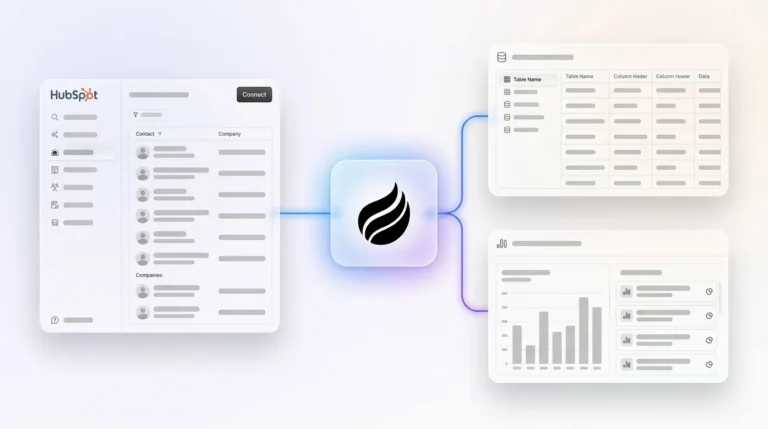
Coffee serves two main groups. Small businesses use it as a standalone CRM that replaces spreadsheets. Mid-market companies use it as an intelligent layer on top of Salesforce or HubSpot. One company with tens of millions in revenue moved from spreadsheets to Coffee and gained automated contact creation from Google Workspace plus Pipeline Compare for weekly reviews. The agent’s API access also supported custom briefing scripts tailored to their specific sales process.
Operational And Long-Term Planning
Coffee uses simple seat-based pricing and meets SOC 2 Type 2 and GDPR requirements. Zapier integrations and data warehouse features keep Coffee connected to the rest of the stack. Industry trends for 2026 show AI agents ending the long-running “bad data” cycle that has limited traditional CRMs.
Risks, Limitations, And Common Misconceptions
Manual processes often create shadow CRMs as reps fall back to spreadsheets. Non-agent automation tools still depend on human data entry, so quality problems remain. Coffee reduces these risks by removing human entry requirements and pulling structured CRM records directly from email and calendar data.
FAQ
How quickly can Coffee be implemented compared to traditional CRM setups?
Coffee connects through simple authentication with Google Workspace or Microsoft 365 and begins automatic data capture right away. Traditional CRMs usually need heavy configuration and training. Coffee’s agent starts working within minutes of connection and automatically creates contacts and logs activities without complex setup.
What ROI can teams expect from Coffee’s automation?
Teams usually save 8-12 hours per week per rep through automated data entry, meeting summaries, and pipeline management. This time savings supports 20-35% productivity improvements and shifts focus back to revenue-generating work instead of the admin tasks that currently consume most of a rep’s week.
How does Coffee integrate with existing sales tools?
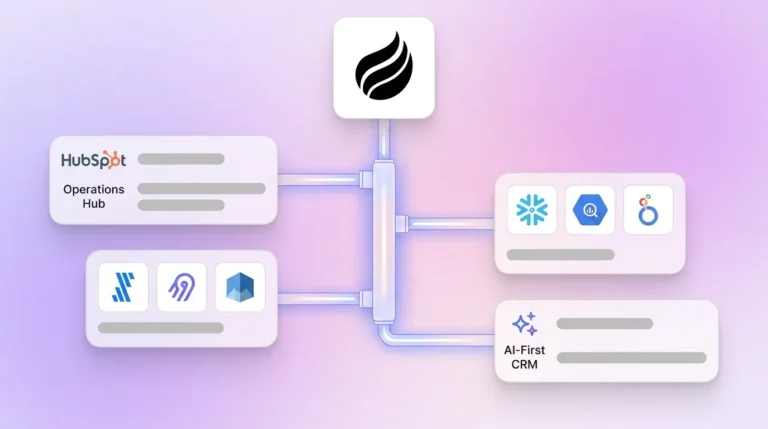
Coffee offers Zapier integrations and direct connections to QuickBooks and Stripe for automatic syncing of financial data. The platform can run as a standalone CRM or as a companion app on top of Salesforce or HubSpot, which keeps data flowing smoothly regardless of the existing tech stack.
What makes Coffee different from other sales automation tools?
Coffee operates as an autonomous agent rather than passive software. Traditional tools still need humans to enter and maintain data. Coffee’s agent captures emails, enriches contacts, joins meetings, and generates summaries on its own. This agent-led model ensures high-quality data enters the system and supports reliable insights and forecasts.
Is Coffee secure for handling sensitive sales data?
Coffee maintains SOC 2 Type 2 compliance and GDPR adherence with enterprise-grade security. Data is not used to train public models. The platform includes detailed audit trails and access controls, and the agent processes information inside secure, encrypted environments built for business-critical sales data.