Written by: Doug Camplejohn, CEO & Co-Founder, Coffee
Key Takeaways for Using MEDDIC in Enterprise Deals
- Enterprise sales cycles often run 6-12 months, and 71% of reps still spend valuable time on data entry instead of selling.
- The MEDDIC framework qualifies $100K+ deals by covering Metrics, Economic Buyer, Decision Criteria, Decision Process, Identify Pain, and Champion across each sales stage.
- Consistent MEDDIC use raises win rates, shortens sales cycles, and improves forecast accuracy by addressing buyer indecision early.
- Teams implement MEDDIC successfully with clear CRM fields, focused training, and automation that prevents checklist fatigue and stalled pipelines.
- Supercharge your MEDDIC process with automatic data capture and qualification tracking that eliminates manual entry.
Why MEDDIC Matters in Enterprise Cycles
RevOps and Sales leaders running Salesforce or HubSpot deal with “bad data in, bad data out,” shadow CRMs, and stalled pipelines. 40-60% of enterprise deals stall from buyer indecision rather than competitive loss. MEDDIC tackles this problem by pulling in the economic buyer early, tightening qualification, and giving leaders more reliable forecasts. Without structured qualification, 69% of sales reps missed their quotas in 2024 according to a Pavilion report. Before you can capture these benefits, you need the right foundation in place.
Readiness Requirements Before Rolling Out MEDDIC
Successful MEDDIC implementation requires three foundational elements: CRM access with activity logging, team alignment on stakeholder mapping, and unified data from emails and calls. These prerequisites usually take 2-4 weeks to set up, because you need time to train teams through role-plays, add MEDDIC fields to your CRM, and pilot the framework on 5 active deals. Rushing this setup phase directly hurts results, since teams that skip preparation see lower win rates and treat MEDDIC as a checkbox exercise. Start by making sure managers understand the framework before rolling it out to reps, because manager buy-in determines whether the team adopts MEDDIC as a selling tool or abandons it as administrative overhead.

6 Steps to Apply MEDDIC Across Enterprise Sales Cycles
Once your foundation is in place, you can apply MEDDIC consistently across your sales cycle. Map each MEDDIC element to a specific sales stage so qualification deepens while deals move forward.
1. Metrics at the Prospecting Stage
Start by quantifying the prospect’s ROI and pain with specific numbers. Research shows companies targeting 20% efficiency gains respond more strongly to value-based messaging. Use ICP data to uncover measurable business impacts, such as hours saved, revenue protected, or cost reductions. Set a clear checkpoint and confirm a concrete financial impact before you advance the deal. Coffee automatically enriches prospect data so you can uncover credible metrics faster.

2. Economic Buyer in the Discovery Stage
Identify the budget holder early, usually at the CRO or CFO level in enterprise accounts. In deals with 6-10 stakeholders, the economic buyer controls final approval and funding. Map your path to this person through your emerging champion or executive sponsor. Verify their budget authority and decision timeline, and document evidence of their influence from previous purchases. This proof keeps your forecast honest and prevents you from over-weighting deals with no true buyer power.

3. Decision Criteria During Demo and Validation
Shape the prospect’s technical and business requirements through consultative discovery. Capture integration needs, security standards, scalability expectations, ROI timelines, and implementation effort in clear language. Build a 12-month evaluation and outcome timeline that both sides can reference. Guide the criteria so they align with your strengths before competitors define their own requirements. This approach reduces surprises later and keeps your solution at the center of the evaluation.
4. Decision Process in the Negotiation Stage
Map every approval step from evaluation to contract signing, including timeline, evaluations, RFPs, and vendor scoring. This detailed mapping lets you qualify the paper process early, which helps you avoid the stalls that kill enterprise deals late in the cycle. For each step you map, document who participates and where bottlenecks usually appear, such as legal reviews or board approvals that can add weeks to your timeline.
5. Identify Pain in the Validation Stage
Anchor urgency around the current problems your prospect faces. Quantify the impact, such as 40% productivity drops from outdated tools or rising churn from poor customer experience. Connect this pain to concrete business consequences and clear timeline pressures, like missed targets or renewal deadlines. Confirm that multiple stakeholders acknowledge the pain, not just your primary contact. Broad agreement on the problem creates internal momentum for change.
6. Champion at the Close Stage
Develop an internal advocate who has influence, access to the economic buyer, and a personal reason to see the deal succeed. Champion presence is the most predictive element for deal success. Verify their influence through specific actions such as sharing org charts, bringing detractors into meetings, or pushing procurement to move faster. A strong champion turns MEDDIC from a checklist into a live, internal sales engine on your behalf.
The table below connects each MEDDIC element to its sales stage and shows the inputs you need and what success looks like at each checkpoint.
| MEDDIC Element | Sales Stage | Key Inputs | Success Criteria |
|---|---|---|---|
| Metrics | Prospecting | ICP research, pain discovery | Quantified business impact |
| Economic Buyer | Discovery | Stakeholder mapping | Verified budget authority |
| Decision Criteria | Demo/Validation | Technical requirements | Influenced evaluation factors |
| Decision Process | Negotiation | Approval workflows | Mapped timeline and steps |
| Identify Pain | Validation | Business impact analysis | Urgent, quantified problems |
| Champion | Close | Internal relationship building | Active advocacy and influence |
Choosing Between MEDDIC and MEDDPICC for Complex Deals
MEDDIC covers the core qualification needs for most enterprise opportunities, while MEDDPICC adds Paper Process and Competition for more complex environments. 73% of SaaS companies selling above $100K ARR use MEDDPICC variants and achieve 18% higher win rates. Use MEDDIC for straightforward enterprise deals under 90 days with lighter procurement. Move to MEDDPICC for cycles longer than six months that involve formal procurement, legal reviews, and structured competitive evaluations.
CRM Automation for Reliable MEDDIC Tracking
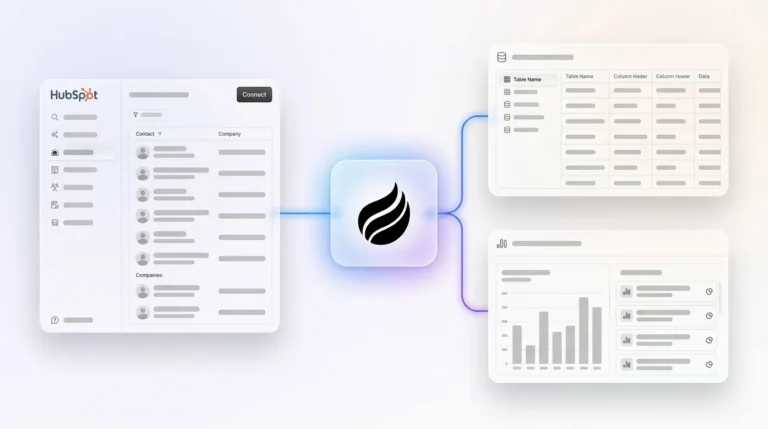
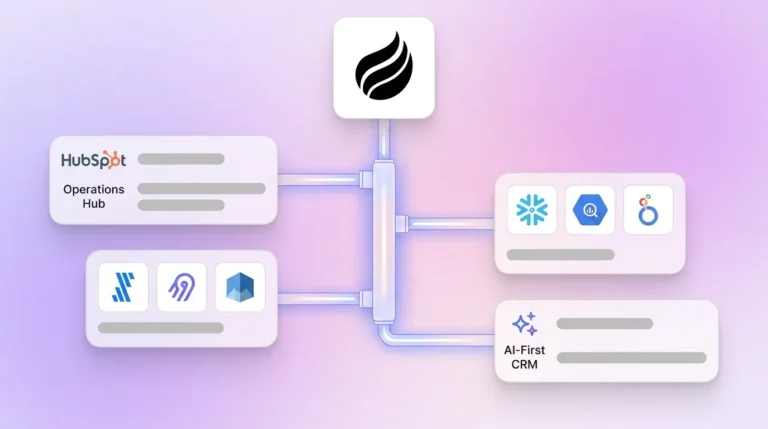
Legacy CRMs struggle with unstructured data from emails and calls, which weakens MEDDIC tracking. Coffee’s autonomous Agent automatically logs interactions according to MEDDIC criteria, with customizable templates released in November 2025. The Agent enriches buyer profiles and tracks deal velocity through Compare features, so you see how qualified opportunities move through stages. This setup unifies data from Google Workspace and Zoom and saves 8-12 hours each week that reps previously spent on manual entry. Case studies show shorter cycles after teams adopt automated MEDDIC tracking. Coffee works as a standalone CRM or as a companion app for Salesforce and HubSpot. See how automation eliminates manual MEDDIC tracking in your existing workflow.

Validating MEDDIC, Scaling Usage, and Avoiding Mistakes
Teams know MEDDIC is working when deal velocity improves and reps adopt the framework in their daily conversations. Common pitfalls include treating MEDDIC as a rigid checklist, relying on weak internal champions, and facing checklist fatigue from excessive paperwork. You can scale MEDDIC by embedding its fields as mandatory CRM requirements for stage progression and by using AI agents to automate data capture. Keep the focus on why each element matters to the buyer and the deal, instead of pushing reps to complete fields mechanically.
FAQ
How to implement MEDDIC in sales?
Begin with the 6-step process that maps each MEDDIC element to a specific sales stage. Add custom CRM fields for every component and make those fields mandatory for pipeline advancement. Train managers first, then coach reps through role-plays and live call reviews so MEDDIC becomes part of their talk tracks. Pilot the framework on 5 active deals before a full rollout. Use automation tools like Coffee to capture MEDDIC data from emails and calls automatically.
MEDDIC vs MEDDPICC – which should I use?
Use MEDDIC for core enterprise qualification when deals close in under 90 days and the process stays relatively simple. Upgrade to MEDDPICC for complex enterprise sales that run longer than 6 months and include formal procurement, legal reviews, and structured competitive evaluations. MEDDPICC adds Paper Process and Competition tracking, which you need in large environments with multiple approval layers and strict vendor scoring.
What’s the best CRM for MEDDIC enterprise sales?
Coffee supports MEDDIC more effectively than legacy CRMs by capturing unstructured data from emails and calls and turning it into structured qualification fields. It works as a standalone system or as a companion app for existing Salesforce and HubSpot instances. The autonomous Agent removes manual data entry while keeping MEDDIC coverage complete across your sales cycle.
How much do MEDDIC sales cycles improve?
Organizations that roll out structured MEDDIC processes see about 31% cycle reductions through stronger qualification and fewer late-stage surprises. Early economic buyer involvement can drive 55% higher win rates, because decisions move faster when the real buyer stays engaged. Strong champion development also keeps deals from stalling in procurement. Automation tools amplify these gains by ensuring consistent data capture and accurate reporting.
How does Coffee integrate with MEDDIC workflows?
As detailed in the CRM Automation section above, Coffee’s Agent captures MEDDIC data from your existing communications and syncs it to your CRM. The key differentiator is that customizable templates let you adapt the structure to your specific qualification criteria instead of forcing a one-size-fits-all layout. This flexibility keeps MEDDIC aligned with your sales process while the system tracks all six elements in the background.
Conclusion
Teams that master MEDDIC in enterprise sales cycles use a clear playbook and automation that keeps qualification accurate. You can raise win rates, improve forecast accuracy, and accelerate deal velocity when MEDDIC tracking runs reliably in the background. Transform your enterprise sales process with automated MEDDIC qualification that works quietly while your reps focus on selling.