Written by: Doug Camplejohn, CEO & Co-Founder, Coffee
Key Takeaways
-
The MEDDPICC sales framework focuses on three whys: Why Change, Why Us, and Why Now so you qualify deals with clarity.
-
B2B reps lose roughly 40% of deals to no-decisions when they skip these whys and rely on manual pain probing that legacy CRMs cannot support.
-
Use discovery scripts and checklists such as quantifying pain in dollars, mapping decision criteria, and tying urgency to business events for stronger qualification.
-
Implement scorecards and templates that score deals 0-3 on each why, and avoid pitfalls like confusing influencers with economic buyers or relying on low CRM adoption.
-
Coffee’s AI CRM Agent automates MEDDPICC qualification by capturing interactions and structuring notes, and see pricing to save 8-12 hours per rep weekly.
How MEDDPICC Connects to the 3 Whys
MEDDPICC evolved from the original MEDDIC framework developed at PTC in the 1990s, driving over $1 billion in revenue with 90% growth. The enhanced version adds Paper Process and Competition to handle modern procurement complexity and competitive dynamics.
The framework maps directly to the 3 whys of MEDDPICC. Each element supports a specific qualification purpose, so Metrics and Implications prove Why Change, Decision Criteria and Champion prove Why Us, and Economic Buyer and Paper Process prove Why Now.
|
MEDDPICC Element |
Why Change |
Why Us |
Why Now |
|---|---|---|---|
|
Metrics |
✓ |
✓ |
|
|
Implications/Impact |
✓ |
||
|
Decision Criteria |
✓ |
||
|
Champion |
✓ |
||
|
Competition |
✓ |
✓ |
|
|
Economic Buyer |
✓ |
||
|
Paper Process |
✓ |
Legacy CRMs like Salesforce struggle with MEDDPICC because they depend on manual data entry, which creates incomplete qualification data. Coffee’s AI Agent automatically captures and structures MEDDPICC elements from emails, calls, and meetings so reps spend less time typing and more time selling. Learn more about MEDDIC Academy’s certification programs for deeper framework training.

Now that you see how each MEDDPICC element supports a specific why, you can break down the three whys in detail and apply them in every deal.
The 3 Whys of MEDDPICC Explained: How to Uncover Them
1. Why Change: Quantified Pain and Competitive Pressure
Why Change explains why the prospect should leave their status quo. HubSpot’s 2025 State of Sales Report found that 72% of deals fail because buyers do not see value, so pain qualification becomes non-negotiable.
Discovery Script for Why Change:
-
“What’s this problem costing you today in dollars or headcount?”
-
“What happens if you do not solve this in the next 12 months?”
-
“What keeps you up at night with your current solution?”
-
“How is this affecting your team’s productivity?”
-
“What competitive threats are you facing because of this gap?”
Qualification Checklist: Start by quantifying pain in measurable terms such as revenue loss, cost increase, or time waste. Then connect that quantified pain to business impact across three layers. Surface symptoms describe what feels broken, business consequences show how that problem affects company goals, and personal implications explain how it affects each stakeholder’s success. Without all three layers, you have not fully qualified Why Change.
Coffee’s AI Agent transcribes calls and structures pain points into MEDDPICC notes, which removes the manual data entry that causes 71% of CRM adoption failures.

2. Why Us: Decision Criteria and Champion Proof
Why Us shows how your solution wins against every alternative. MEDDPICC’s Competition element maps direct competitors, alternative vendors, and status quo options, so you must position clearly against each path.
Decision Criteria Mapping Template: Use this structure to document how your solution uniquely satisfies each buyer criterion. The example below shows how Coffee positions against competitors on three common B2B software criteria.
|
Buyer Criteria |
Competitor Weakness |
Coffee Advantage |
|---|---|---|
|
Auto-enrichment |
Limited automation in some tools |
Built-in enrichment from licensed data |
|
CRM integration |
HubSpot lacks data warehouse |
Syncs with Salesforce + historical tracking |
|
Meeting intelligence |
Some platforms focus primarily on recording |
Auto-generates summaries + follow-ups |
Champion Development: A true champion takes uncomfortable internal actions such as scheduling Economic Buyer meetings and then reports back on progress. To confirm you have a real champion instead of a friendly contact, check whether they have taken specific action and shared feedback on the results. This action plus feedback test separates champions from coaches, who share information but avoid internal risk on your behalf.
3. Why Now: Urgency, Metrics, and Economic Buyer
Why Now establishes urgency that goes beyond simple budget availability. Research by Matt Dixon found that 40-60% of sales pipeline stalls due to buyer indecision rather than competitive loss, so you must create clear timing pressure.
Urgency Discovery Questions:
-
“Why does solving this matter now versus next quarter?”
-
“What happens to your business if this is not resolved by [specific date]?”
-
“What external pressures are driving this timeline?”
-
“How does this connect to your annual planning cycle?”
Economic Buyer Engagement: The Economic Buyer has final authority to approve the purchase and often controls the budget. Because this person focuses on business impact instead of implementation details, you should engage them with strategic outcomes, not technical features.
Coffee’s Pipeline Compare feature automatically flags deals that lack urgency indicators so sales managers can spot stalled opportunities before they become no-decisions.
Automate your MEDDPICC three whys with Coffee for faster and more consistent qualification cycles.
MEDDPICC Templates & Checklists for Deal Scoring
3 Whys Qualification Scorecard:
|
Why Element |
Qualification Criteria |
Score (0-3) |
|---|---|---|
|
Why Change |
Pain quantified in dollars/metrics |
___ |
|
Why Change |
Status quo cost identified |
___ |
|
Why Us |
Decision criteria mapped to strengths |
___ |
|
Why Us |
Champion taking internal action |
___ |
|
Why Now |
Urgency tied to business event |
___ |
|
Why Now |
Economic buyer engaged |
___ |
Call Script Template:
-
Opening: “Help me understand your current challenges with [area]…”
-
Why Change: “What is driving the need to solve this now?”
-
Why Us: “What criteria will you use to evaluate solutions?”
-
Why Now: “What happens if this is not resolved by [timeline]?”
CRM Logging Checklist: Copy these templates into Coffee’s AI summaries so you get instant MEDDPICC notes without manual data entry. This habit keeps your pipeline current and your forecasts more reliable.
Once your team uses these templates consistently, automation becomes the next step to scale MEDDPICC across every opportunity.
How to Implement MEDDPICC 3 Whys with Coffee CRM Agent
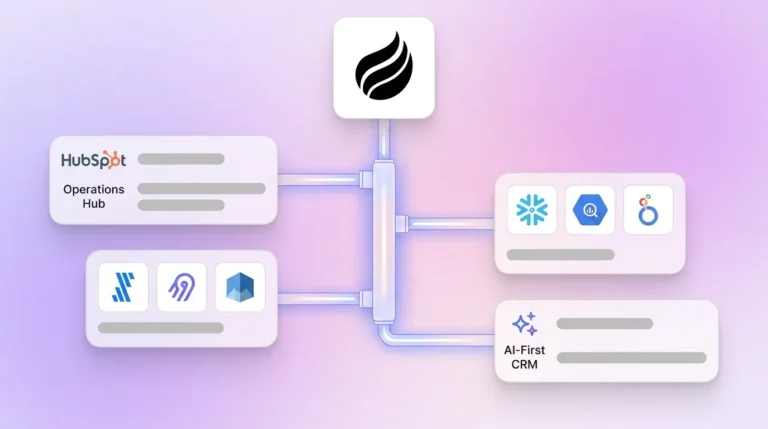
Teams replace manual MEDDPICC qualification with Coffee’s AI Agent, which automates the three whys for small to mid-market teams. Depending on your current tech stack, the Agent operates in two modes: Standalone CRM for companies outgrowing spreadsheets, or Companion App that syncs with existing Salesforce or HubSpot instances.
Coffee’s MEDDPICC Automation Features:
-
Meeting Briefings: Pre-call summaries highlight existing pain points and competitive context.
-
Auto-Follow-ups: Post-meeting emails build urgency with personalized next steps.
-
Pipeline Compare: Week-over-week analysis identifies deals that lack Why Now urgency.
-
Champion Tracking: Monitors internal advocate engagement and action items.

Implementation Case Study: A tens-of-millions ARR firm building custom AI solutions replaced spreadsheet-based sales tracking with Coffee’s Agent. Results included the time savings mentioned earlier, 8-12 hours per rep weekly, plus 35% more time for selling activities and automated pipeline reviews that replaced manual CSV exports.
Unlike fragmented tools such as Gong for recording, ZoomInfo for enrichment, and SalesLoft for outreach, Coffee unifies the entire MEDDPICC workflow.
See how Coffee unifies your workflow to implement MEDDPICC in CRM without the manual overhead.
Common Pitfalls & Pro Tips for MEDDPICC Qualification
Top 4 MEDDPICC Pitfalls:
-
Skipping Why Now = Deal Stalls: As noted earlier, indecision rather than competition kills most deals, so urgency creation stays non-negotiable.
-
Confusing Influencers with Economic Buyers: Ask “Who signs the contract?” and “Who can veto the deal?”
-
Treating MEDDPICC as One-Time Checklist: Qualification data becomes outdated without weekly updates.
-
Poor CRM Adoption: Manual entry creates incomplete data and unreliable forecasts.
Pro Tips: Coffee ensures “good data in” by automatically capturing MEDDPICC elements from every customer interaction. This automation matters because Salesforce adoption rates sit below 50% industry-wide, and when reps do not log data consistently, AI Agents become the only reliable path to accurate qualification data.
Conclusion
Mastering the three whys behind the MEDDPICC sales framework, Why Change, Why Us, and Why Now, directly improves win rates and shortens sales cycles. Coffee’s AI Agent removes manual qualification overhead while still ensuring comprehensive MEDDPICC coverage.
Hire your AI qualification agent to automate your MEDDPICC pipeline.
Frequently Asked Questions
What are the 3 Whys of MEDDPICC?
The 3 whys of MEDDPICC are: 1) Why Change, which covers quantified pain and competitive threats that make the status quo unsustainable, 2) Why Us, which covers unique value through decision criteria alignment and champion advocacy, and 3) Why Now, which covers urgency through metrics, economic buyer engagement, and timing pressures. These three elements form the qualification foundation for complex B2B sales.
What is the difference between MEDDIC vs MEDDPICC?
MEDDPICC adds Paper Process, Implications or Impact, and Competition to the original MEDDIC framework. Paper Process addresses procurement complexity, Implications connects pain to business impact, and Competition maps alternatives including status quo. These additions make MEDDPICC more comprehensive for modern enterprise sales with multiple stakeholders and longer cycles.
How do you implement MEDDPICC in CRM systems?
Teams implement MEDDPICC in CRM by mapping framework elements to opportunity fields, making MEDDPICC data mandatory for stage advancement, training managers as primary coaches, and running regular deal reviews using qualification criteria. Coffee’s AI Agent automates this process by capturing MEDDPICC elements from emails, calls, and meetings without manual data entry.
What are the best MEDDPICC templates and tools?
Effective MEDDPICC templates include qualification scorecards with 0-3 scoring for each element, discovery call scripts that integrate the three whys, and CRM logging checklists. Coffee’s AI Agent structures notes according to sales methodologies like MEDDPICC from AI meeting summaries, which removes manual data entry while keeping qualification consistent across the sales team.
Why should sales teams use AI agents for MEDDPICC in 2026?
AI agents solve the fundamental CRM adoption problem because manual data entry creates incomplete qualification data and unreliable forecasts. Coffee’s Agent automatically captures interactions, structures notes according to sales methodologies like MEDDPICC, saves 8-12 hours per rep weekly on data entry, and frees more time for selling. Organizations that implement AI-driven sales coaching with methodology adherence achieve 10% higher win rates compared to manual processes.