
Last updated: March 30, 2026
Key Takeaways
- Automate CRM data entry to save 6+ hours weekly per rep and close deals 23% faster by capturing data from emails, calendars, and meetings.
- Enforce data hygiene with AI deduplication and enrichment to combat 22-70% annual data decay, which improves forecast accuracy by 42%.
- Align pipeline stages to methodologies like BANT or MEDDIC with clear exit criteria for reliable visibility into deal progression.
- Track key metrics such as 3-4x pipeline coverage, deal velocity, and stage conversion rates using real-time AI dashboards.
- Implement Coffee’s autonomous agent for complete pipeline transformation and see pricing options for forecasting accuracy.
Step 1: Automate Data Entry to Eliminate Manual Grind
Manual CRM data entry consumes 6+ hours per week per sales representative, which creates a productivity drain and undermines pipeline accuracy. This time pressure causes reps to skip fields, enter incomplete information, or delay updates, which produces the core “bad data in” problem. AI agents remove this tradeoff by automatically capturing and structuring information from emails, calendars, and meetings without extra work for reps.
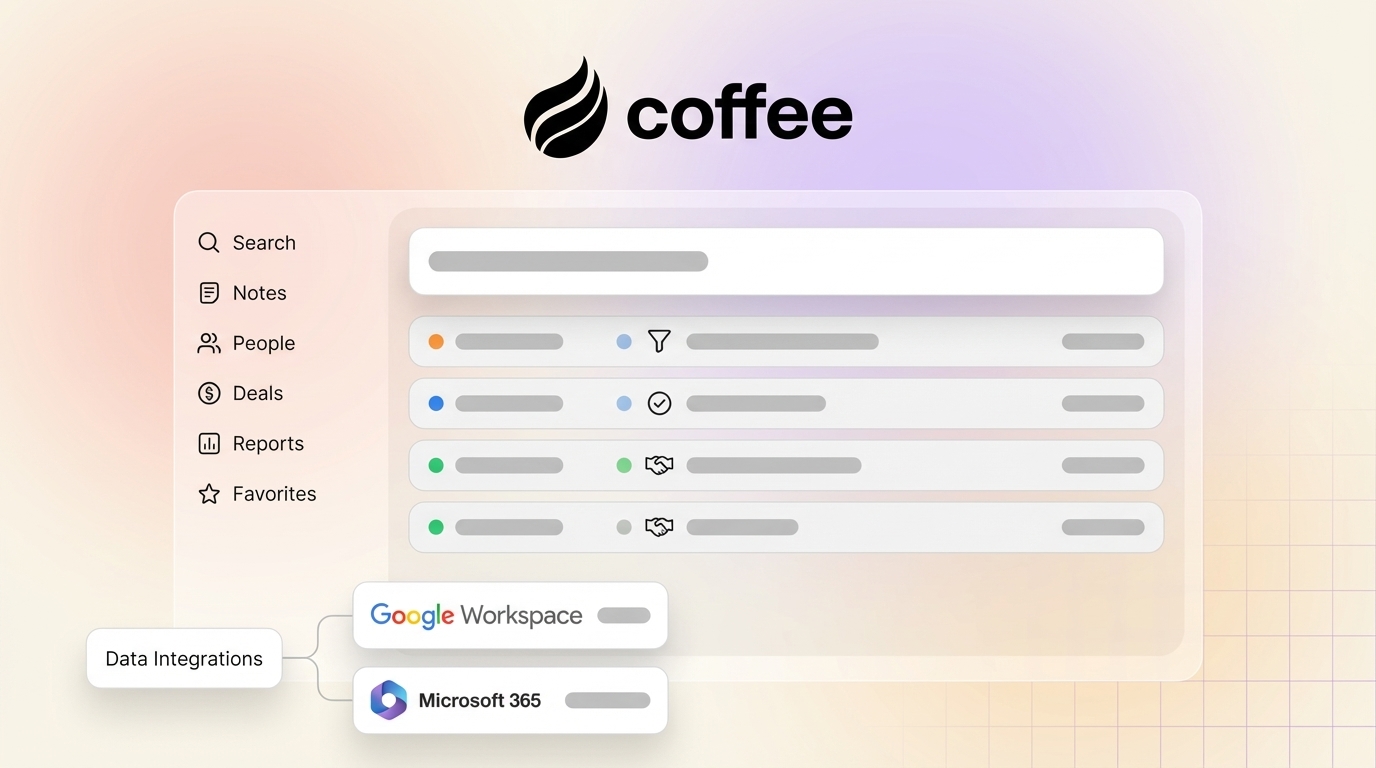
Automation delivers measurable impact. Sales teams with automated data capture close deals 23% faster than those that rely on manual entry. The Coffee Agent scans Google Workspace and Microsoft 365 and typically saves 8-12 hours per week for each representative.

Implementation Checklist:
- Connect email and calendar systems for automatic activity logging
- Enable auto-contact creation and enrichment from email signatures
- Configure meeting transcription and summary automation
- Set up automatic opportunity creation from qualified interactions

Step 2: Enforce CRM Data Hygiene Rules
Strong data hygiene keeps your pipeline trustworthy and your forecast credible. CRM data decays at rates between 22-70% annually because of job changes, contact updates, and company transitions. Duplicate records and stale information erode pipeline trust and damage forecast reliability. Clean data delivers a 42% improvement in sales forecast accuracy.
Coffee’s AI agent automatically enriches records with current job titles, funding information, and LinkedIn profiles through licensed data partners. This enrichment keeps records fresh without adding manual work for your team.

Data Hygiene Framework:
- Implement mandatory field validation for critical data points
- Run AI-powered deduplication every 30 days
- Flag records inactive for 90+ days for review or archival
- Establish automated email and phone number verification
Step 3: Align Sales Pipeline Stages with Real Processes
Aligned pipeline stages reveal bottlenecks clearly and show real deal progression. Misaligned stages hide friction and create false visibility, which makes forecasting unreliable and coaching difficult. Effective stage alignment maps to proven methodologies like BANT or MEDDIC and supports early identification of stalled opportunities.
Coffee structures meeting notes and deal progression according to your chosen sales methodology. The agent updates stage advancement automatically based on qualification criteria and buyer signals detected in conversations.

Stage Optimization Checklist:
- Define 5-7 clear stages with specific exit criteria
- Use structured dropdowns instead of free-text fields
- Map stages to qualification frameworks (BANT, MEDDIC, SPICED)
- Establish stage duration benchmarks for early warning systems
Once stages match your real process, you need metrics that confirm whether deals move through those stages or stall. The next step focuses on the core numbers that give that visibility.
Step 4: Track Key Metrics for Pipeline Visibility
Three metrics form the foundation of pipeline health monitoring. Coverage ratio shows capacity, velocity highlights speed and bottlenecks, and conversion rates pinpoint friction at each stage. Track these continuously to maintain accurate forecasts and targeted coaching.
| Metric | Definition/Formula | Benchmark/Target | Coffee Benefit |
|---|---|---|---|
| Pipeline Coverage Ratio | Total Pipeline Value ÷ Quota | 3-4x coverage | Pipeline Compare tracks week-over-week changes |
| Deal Velocity | (Deals × Win Rate × Avg Size) ÷ Cycle Length | 20% cycle reduction | AI flags stalled deals automatically |
| Stage Conversion Rate | (Advancing Deals ÷ Current Stage) × 100 | 20-25% early, 80-90% late stages | Auto-logs activities for accurate tracking |
With these metrics defined, you can now surface them in real time for leaders and reps. The next step turns those numbers into live dashboards.
Step 5: Build Real-Time Dashboards for Instant Insights
Real-time dashboards turn raw CRM data into actionable pipeline views. Legacy CRM screens lag behind actual deal progression and create blind spots in pipeline management. AI-driven dashboards in 2026 predict risks and opportunities through live data analysis and predictive overlays.
Coffee’s Pipeline Compare feature visualizes week-over-week pipeline changes. It highlights progressed deals, stalled opportunities, and new additions without manual spreadsheet exports or custom reports.
Dashboard Implementation:
- Track velocity, coverage ratio, and conversion rates in real time
- Enable natural language queries for instant insights
- Configure automated alerts for pipeline risks
- Implement mobile-optimized views for on-the-go visibility
Step 6: Overcome Rep Resistance with Agent Automation
Agent automation turns CRM from a chore into a helpful assistant for reps. Low CRM adoption appears when representatives see the system as an administrative burden instead of a sales enablement tool. AI agents remove this friction by handling data entry chores automatically so reps can focus on relationship building and deal advancement.
A tens-of-millions revenue firm used Coffee’s agent-led approach to move from spreadsheet-based pipeline management to automated CRM hygiene. The team reached full adoption after leaders demonstrated the time savings documented in Step 1 and showed clear visibility gains.
Adoption Strategy:
- Pilot with one high-performing sales team
- Demonstrate the weekly time savings from automation to each representative
- Show immediate pipeline visibility improvements
- Scale gradually based on success metrics
Step 7: Integrate AI for Enrichment and Intelligence
AI enrichment turns raw conversations into structured qualification data. AI-powered enrichment converts meeting transcripts into BANT or MEDDIC fields that support consistent scoring and coaching. Coffee’s agent provides this enrichment through licensed data partners and conversation intelligence.
Coffee supports both Standalone CRM and Companion App models. These options deliver AI intelligence regardless of your existing technology stack.
Intelligence Integration:
- Connect Zoom, Teams, and Google Meet for automatic transcription
- Enable AI-generated meeting summaries and action items
- Configure automatic lead scoring based on qualification criteria
- Implement predictive deal health scoring
Step 8: Foster a Data-Driven Culture with Regular Audits
A data-driven culture keeps pipeline visibility strong long term. Sustainable visibility requires organizational commitment to data quality and consistent habits. Quarterly audits reveal gaps, while training programs reinforce the “good data in, good data out” principle.
Culture Development:
- Conduct weekly pipeline review meetings using real-time data
- Implement representative incentives tied to data quality metrics
- Establish clear data ownership and accountability
- Provide ongoing training on AI tool usage and best practices
Step 9: 90-Day Rollout Plan for Pipeline Transformation
This 90-day plan gives you a practical path from audit to full AI-enabled pipeline visibility.
Days 1-30: Foundation
- Audit current CRM data quality and completion rates
- Deploy Coffee agent for an automated data entry pilot
- Configure basic hygiene rules and validation
Days 31-60: Optimization
- Build real-time dashboards and Pipeline Compare views
- Align pipeline stages with your sales methodology
- Implement key metrics tracking and alerts
Days 61-90: Intelligence
- Deploy AI enrichment and predictive insights
- Scale successful practices across the entire sales organization
- Establish ongoing culture and audit processes
See Coffee pricing and implementation options for this proven transformation framework.
Frequently Asked Questions
How do I keep CRM data clean and accurate?
Use AI agents like Coffee that automatically clean and deduplicate records every 30-60 days. Add mandatory field validation, structured dropdowns instead of free-text fields, and automated email and phone verification. Regular automated hygiene processes slow data decay and protect forecast accuracy.
What makes an effective sales pipeline management template?
An effective template includes 5-7 clearly defined stages aligned to your sales methodology, with mandatory qualification criteria for stage advancement and automated activity logging. Coffee’s Pipeline Compare feature adds natural language querying and week-over-week change visualization without manual spreadsheet management.
How can I improve CRM data accuracy significantly?
Combine mandatory field requirements with AI agent enrichment to reduce manual entry by over 90%. Add real-time data validation, automated duplicate detection, and continuous enrichment from integrated data sources. Coffee’s agent approach reduces human error while maintaining complete audit trails.
What are the best sales pipeline stages for visibility?
Use 5-7 stages aligned to proven methodologies like BANT or MEDDIC, such as Lead, Qualified, Discovery, Proposal, Negotiation, and Closed Won or Lost. Give each stage specific exit criteria and duration benchmarks. AI can structure qualification data and suggest stage advancement based on conversation analysis.
What are sales pipeline management best practices for 2026?
Automate data hygiene and entry processes, use real-time dashboards with predictive insights, and apply AI for enrichment and intelligence. Maintain pipeline coverage ratios of 3-4x quota. Teams that follow these practices achieve higher revenue growth through better forecast accuracy and faster deal velocity.
How do I improve sales pipeline visibility effectively?
Start with accurate CRM data as the foundation, then add real-time dashboards, AI-driven insights, and automated reporting. Use agents like Coffee to remove manual data entry while providing Pipeline Compare visualization and natural language querying for instant pipeline insights.
Conclusion: Achieve Crystal-Clear Sales Pipeline Visibility with Accurate CRM Data
These steps turn chaotic pipeline management into predictable revenue generation through accurate CRM data and AI automation. Coffee’s autonomous agent manages the complete data lifecycle, from capture to enrichment to intelligence, and supports modern sales organizations that want reliable visibility.
Start your pipeline transformation with Coffee and implement this proven blueprint for 2026 success.