
Last updated: March 30, 2026
Key Takeaways: The Real Cost of Bad CRM Data
- Bad CRM data causes 15-25% revenue leakage from stalled deals and phantom prospects created by outdated contacts.
- Sales reps lose 546 hours annually, or 27% of productive time, on data entry and chasing inaccurate records.
- Duplicates inflate marketing costs by 43%, erode trust among 70% of leaders, and break AI predictions with an 89% failure rate.
- B2B data decays 22.5% yearly, which drives compliance risks, stack bloat, and low 26% CRM adoption.
- Coffee’s autonomous AI Agent automates enrichment, logging, and maintenance to remove these costs, so you can see how Coffee’s Agent eliminates them.
1. Revenue Leakage from Stalled and Phantom Deals
Poor CRM data quality costs organizations 15-25% of their annual revenue through wasted marketing spend, missed opportunities, and operational inefficiencies. When contact information goes out of date, deals stall in limbo and never move forward. Sales reps chase phantom prospects who changed jobs months ago, while hot leads slip through cracks in fragmented systems.
30-40% of CRM pipeline deals are phantom or dead due to stale contact data. This creates a pipeline filled with ghosts instead of real opportunities. Leadership eventually discovers that the pipeline is inflated, which causes forecast misses that cascade into hiring freezes and budget cuts. Coffee’s Agent prevents this crisis by auto-enriching contacts in real time, so every deal in your pipeline represents a genuine opportunity instead of a phantom.

2. 546 Hours of Lost Productivity for Every Sales Rep
Inaccurate CRM data wastes up to 546 hours annually per sales rep on searching for correct information or following up duplicate leads. That equals 27% of their productive time, which is more than a full day each week spent on data archaeology instead of selling. Reps bounce between HubSpot, ZoomInfo, and LinkedIn, manually stitching together prospect profiles while deals grow cold.
Sales teams waste up to 40% of their time dealing with inaccurate or incomplete contact data. Coffee’s Agent handles this busywork autonomously, saving 8-12 hours weekly per rep by auto-logging interactions and enriching records with no human input required.

3. Marketing ROI Collapse from Duplicate Records
Duplicate records account for 15-30% of contact databases, which turns marketing campaigns into expensive echo chambers. When the same prospect receives multiple touchpoints under different records, attribution breaks and ad spend multiplies. A $50,000 LinkedIn campaign targeting 1,000 prospects actually reaches only 700 unique contacts, which inflates cost per lead by 43%.
Coffee’s Agent deduplicates records automatically and maintains unified contact profiles. Marketing teams then target real people instead of database ghosts, and every dollar spent has a clear, traceable impact.
4. Trust Erosion, Shadow Systems, and Customer Churn
70% of revenue leaders lack confidence in their CRM data, which creates a trust crisis that spreads across the company. When executives cannot rely on pipeline reports, strategic decisions turn into guesswork. This lack of trust trickles down to sales teams, who abandon the CRM for shadow systems in Notion and spreadsheets, which fragments data even further.
Average CRM adoption rates remain at only 26% across sectors. Expensive software investments then sit unused while customers experience inconsistent outreach and missed follow-ups. Coffee rebuilds trust by keeping data accurate from day one, which creates a CRM that reps actually want to use and that leaders can rely on.
5. Broken AI, Bad Signals, and Forecast Failures
89% of data and analytics leaders with AI in production have experienced inaccurate or misleading AI outputs due to poor data quality. Garbage data creates garbage predictions, so AI lead scoring models trained on duplicate contacts and stale job titles produce worthless recommendations. These models learn from noise instead of real buying signals.
67% of large enterprise revenue leaders do not trust the sales forecasts and data generated from their own CRM systems. Coffee addresses this by maintaining a clean data warehouse that feeds AI models with accurate, structured information. Teams then get reliable forecasts and intelligent insights they can act on with confidence.
6. Accelerating Data Decay and Compounding Waste
B2B contact databases lose 2.1% of their accuracy every month, equating to 22.5% annually, which means nearly one in four records becomes outdated without maintenance. Email addresses decay between 22.5% and 30% annually as employees change roles and companies merge. In high-growth sectors, SaaS companies experience 40-50% annual data decay, so databases rot even faster.
Without continuous upkeep, this decay compounds over time and turns once-valuable databases into liabilities. Coffee’s Agent continuously monitors and refreshes contact data, which stops the compound decay that can render databases nearly useless within a couple of years.
7. Compliance Risks, Data Breaches, and Lost Governance
Poor data quality costs organizations an average of $12.9 million annually, and compliance violations now represent a growing share of that loss. Outdated consent records and inaccurate contact preferences trigger GDPR and CAN-SPAM violations. Data breaches from unsecured shadow systems then add more legal and financial exposure.
When sales teams keep prospect lists in personal spreadsheets because the CRM feels unusable, companies lose control over data governance entirely. Coffee maintains SOC 2 Type 2 compliance and centralizes all prospect data in secure, auditable systems, which restores control and reduces regulatory risk.
8. Stack Bloat, Fragmented Workflows, and Low Adoption
Heavy data entry workloads push reps toward point solutions that fragment data and inflate costs. Companies stack ZoomInfo for enrichment, Gong for intelligence, and SalesLoft for outreach on top of Salesforce, which creates expensive, disconnected workflows. 20-70% of CRM projects fail due to data quality and adoption issues, so much of this investment never pays off.
Coffee consolidates these functions into a single Agent that handles enrichment, logging, and intelligence automatically. Teams reduce both cost and complexity while increasing adoption, because the system finally works the way reps want to work.
These eight hidden costs share one root cause: legacy CRMs that depend on manual data entry and scattered tools. Fixing the problem requires a different approach that treats data quality as an automated, always-on capability.
The Agent Fix: Good Data In, Good Data Out with Coffee
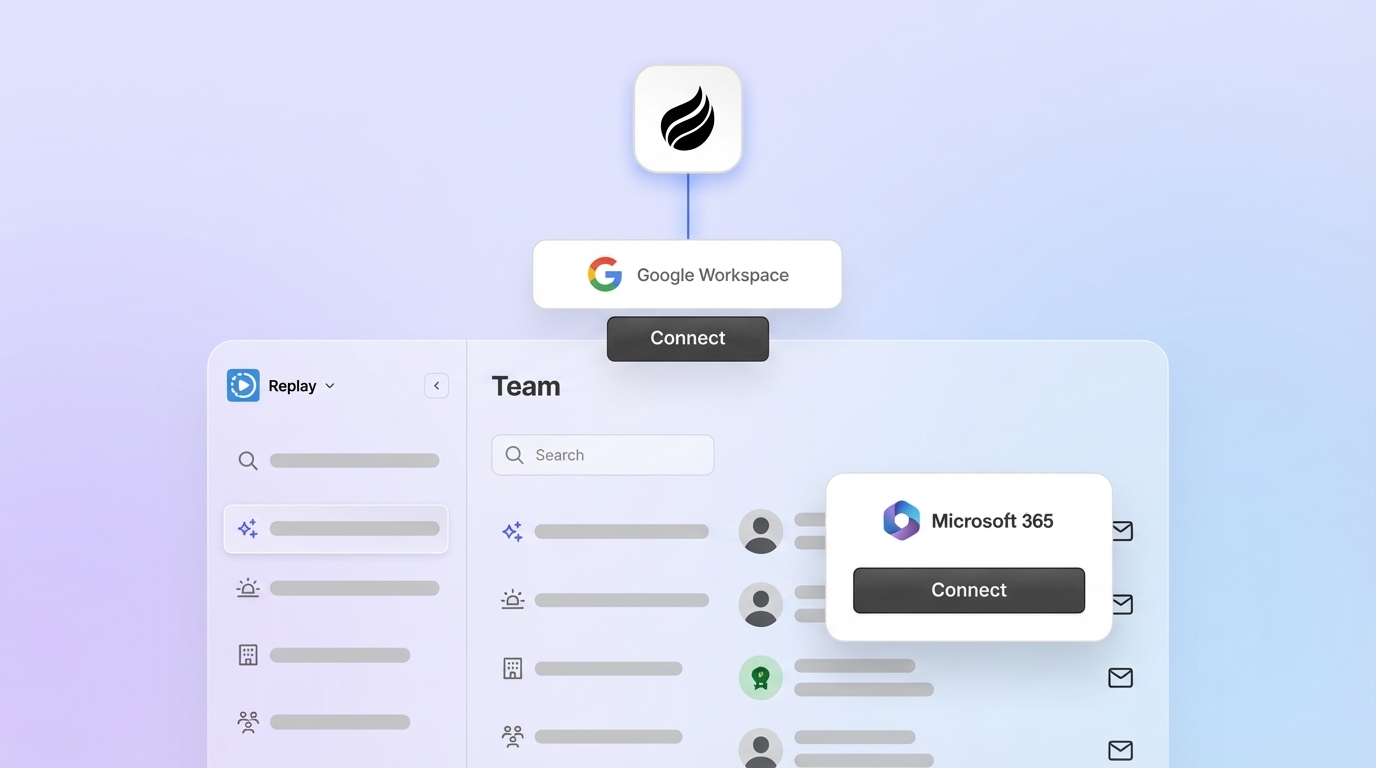
Legacy CRMs fail because they rely on humans for data entry, while Coffee’s autonomous Agent automates that work. The Agent connects to Google Workspace or Microsoft 365 to auto-create contacts, enrich records with job titles and funding data, and log every interaction with no manual effort. Meeting orchestration includes AI-powered briefings before calls and automated summaries afterward, and pipeline intelligence tracks deal progression automatically.

Coffee’s dual-model approach works as either a standalone CRM for growing teams or a Companion App that enhances existing Salesforce and HubSpot instances. Unlike passive databases that only store information, Coffee’s Agent actively maintains data quality through continuous enrichment and validation. You can schedule a personalized demo to see this in your own environment.
Social Proof and ROI: How Coffee Performs in the Field
A company generating tens of millions in ARR managed sales through spreadsheets before hiring Coffee’s Agent. They rejected Salesforce and HubSpot because those tools required heavy manual entry and chose Coffee for its automated data capture from Google Workspace. The Agent’s Pipeline Compare feature removed weekly spreadsheet exports, and API access enabled custom briefing scripts tailored to their process.
Coffee’s automation saved their team 8-12 hours weekly per rep while maintaining precise data accuracy. The table below shows how Coffee’s Agent approach differs from legacy CRM systems across four critical dimensions.
| Feature | Legacy (SF/HubSpot) | Coffee Agent |
|---|---|---|
| Data Entry | Manual (27% time waste) | Autonomous (8-12 hrs saved) |
| AI Accuracy | Garbage in/out (89% fails) | Good data out (warehouse) |
| Adoption | 26% average | Reps use built-in co-pilot |
| Cost | Stack bloat | Seat-based, consolidates tools |
Frequently Asked Questions
What are CRM data decay consequences?
CRM data decay creates a compound crisis where outdated information multiplies over time. With 22.5-40% of records becoming obsolete annually, databases lose accuracy rapidly and can reach 51% invalid data after two years and 83% after five years without maintenance. This decay causes lost deals, wasted marketing spend, and broken AI predictions. Coffee’s Agent continuously monitors and refreshes contact data, which prevents the exponential decay that makes traditional CRMs ineffective.
How does bad CRM data cause AI failure?
AI systems follow a simple rule: garbage in, garbage out. When models train on duplicate contacts, outdated job titles, and incomplete records, they produce misleading outputs. Poor data quality causes AI to learn from noise rather than real signals, which results in false lead scoring, inaccurate forecasting, and bad audience segmentation. Coffee keeps input data clean through automated enrichment and validation, so AI tools can deliver reliable insights and predictions.
Can Coffee fix HubSpot and Salesforce data quality issues?
Yes. Coffee’s Companion App integrates directly with existing Salesforce and HubSpot instances through secure authentication. The Agent automatically syncs data, enriches records, and writes valuable insights back to your primary CRM without disrupting current workflows. Coffee maintains SOC 2 Type 2 compliance and handles both structured data, such as contact fields, and unstructured data, such as email content and call transcripts, that legacy systems cannot process effectively.
What is the total cost of poor CRM data quality?
Poor CRM data quality drains revenue through several channels at once. Organizations lose 15-25% of annual revenue to wasted marketing spend on duplicate contacts, lost deals from outdated information, and productivity drain that consumes hundreds of hours per rep each year. Broken AI systems then add more cost by producing misleading outputs, while compliance risks, technology stack bloat, and low adoption push teams into shadow systems. For many mid-market companies, the combined impact often exceeds $12.9 million annually.
How much time does bad CRM data waste for sales teams?
As noted earlier, sales reps lose 27% of their productive time to data quality issues. That translates to more than a full day each week spent searching for correct contact information, following up on duplicate leads, and manually stitching together prospect profiles across multiple systems. Coffee’s Agent removes this burden by automating data entry, enrichment, and logging, so reps recover 8-12 hours weekly and focus that time on selling.
End the Hidden Costs of Bad CRM Data Quality
Bad CRM data quality silently drains revenue while consuming hundreds of hours annually for every sales rep. Coffee’s autonomous Agent turns data entry clerks into strategic sellers by automating the work of putting good data in and ensuring accurate insights come out. You can stop bleeding revenue to phantom deals, duplicate records, and broken AI predictions and start a free trial of Coffee’s Agent to address every hidden cost.