Written by: Doug Camplejohn, CEO & Co-Founder, Coffee
Key Takeaways for 6sense Alternatives
- 6sense requires a six-figure investment and complex setup, so most SMBs struggle to justify the cost and effort.
- Coffee stands out for SMBs with an AI agent that automates CRM data entry, visitor identification, and pipeline insights in minutes.
- Demandbase and ZoomInfo work well for enterprises that need deep ABM capabilities and can support complex implementations.
- Apollo and Leadfeeder provide budget-friendly intent and visitor tracking, although teams trade off some data quality and coverage.
- SMBs can upgrade their sales process with Coffee’s AI agent and gain automation that rivals enterprise platforms without enterprise overhead.
How We Compared 6sense Alternatives
We evaluated 6sense alternatives using eight practical factors that matter to growing teams.
- Pricing: 2026 pricing tiers from verified sources
- SMB Viability: Setup speed and seat-based affordability
- Intent & Visitor ID Quality: Accuracy and breadth of signals
- Automation Depth: AI-powered workflows that reduce manual work
- CRM Integration: Salesforce and HubSpot compatibility
- User Adoption: Interface simplicity and learning curve
- Scalability: Ability to grow without adding unnecessary complexity
- Data Accuracy: Verification of contact and company records
1. Coffee: AI Agent That Keeps CRM Data Clean
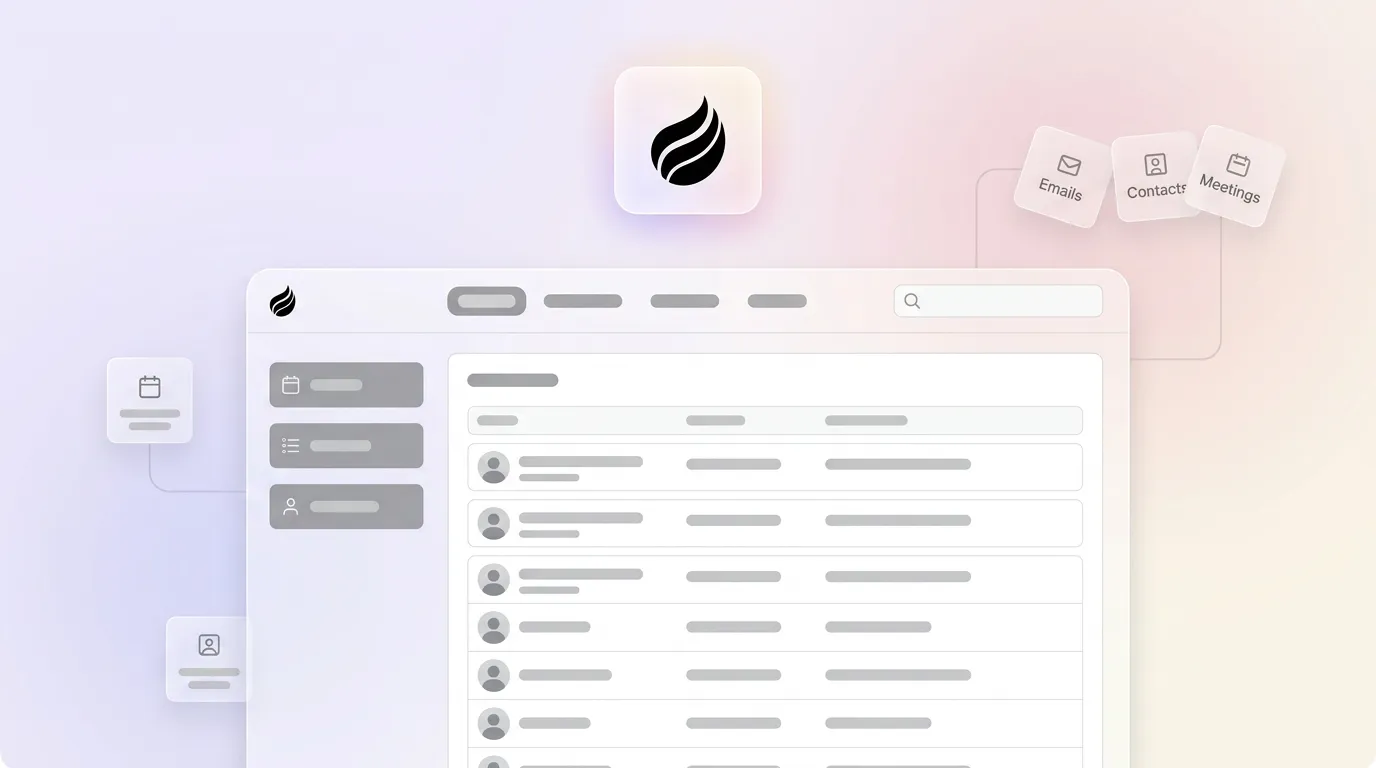
Best Overall for SMBs: Coffee’s AI agent automates data entry, enrichment, and visitor identification while delivering pipeline insights that feel like enterprise platforms. The agent captures emails and calendar data, creates contacts automatically, and provides visitor pixel technology with persona-suggested leads. Coffee replaces manual CRM input with a system where accurate data flows in and actionable intelligence flows out.

Coffee scores high on SMB Viability because teams can set it up in minutes without RevOps support. It also ranks strongly on Automation Depth, since the AI agent handles ongoing data maintenance instead of relying on reps. For Intent and Visitor ID Quality, Coffee focuses on person-level identification that connects to LinkedIn, which helps sales teams reach real decision-makers.

The table below highlights how Coffee compares to 6sense on the factors that matter most to SMBs, including pricing, setup time, and automation.
| Feature | Coffee | 6sense |
|---|---|---|
| Pricing | SMB-friendly pricing | $60,000+ annually |
| Setup Time | Minutes | Months |
| Data Entry | AI Agent Automated | Manual |
| Visitor ID | Person-level with LinkedIn | Account-level |
2. Demandbase: Enterprise ABM for Complex Teams
Best for Enterprise ABM: Demandbase offers comprehensive account-based marketing with native B2B advertising and intent data. Annual costs range from $24,000 to well into six figures with modular pricing across the Demandbase One platform. Large enterprises gain strong ABM capabilities, but smaller teams often find the platform complex and resource intensive.
Compared to Coffee’s focus on SMB simplicity, Demandbase prioritizes depth for enterprise marketing teams. It performs well on Intent & Visitor ID Quality and Scalability, yet scores lower on SMB Viability and User Adoption for lean sales organizations.
3. Apollo.io: Outbound Engine for Cost-Conscious SMBs
Best for SMB Outbound: Apollo combines prospecting, intent signals, and outreach in one platform. It costs less than enterprise options and fits teams that want high-volume outbound activity. However, users report higher email bounce rates, especially outside the US. Apollo works best for teams that accept some data noise in exchange for reach.
Apollo scores well on Pricing and basic Automation Depth, but it trails Coffee and ZoomInfo on Data Accuracy. SMBs that choose Apollo should plan for additional verification steps to protect sender reputation.
4. ZoomInfo: Broad B2B Data for Enterprise Sales
Best for Data Coverage: ZoomInfo maintains more than 200 million contacts with strong data quality for North American markets. The platform includes intent data and visitor identification, which supports advanced go-to-market motions. This power comes with a significant investment and a feature set that can overwhelm smaller teams.
ZoomInfo excels on Data Accuracy and Scalability, especially for large sales organizations. It falls short on SMB Viability and User Adoption for teams that lack dedicated operations support.
5. Bombora: Standalone Intent Data for Existing Stacks
Best for Pure Intent Data: Bombora’s Company Surge scoring uses data from more than 4,000 premium B2B sites to identify elevated research activity. Revenue teams use Bombora as an add-on to enrich existing tools with intent signals. Bombora does not offer the automation or CRM intelligence of full platforms, so teams still need other systems to act on the data.
Bombora scores highly on Intent & Visitor ID Quality but lightly on Automation Depth. It fits companies that already have a mature stack and want better signals rather than a new workflow engine.
6. Leadfeeder: Simple Website Visitor Identification
Best for Website Visitor ID: Leadfeeder specializes in first-party website visitor identification using reverse IP lookup. Leadfeeder pricing starts at €99 per month (paid annually, based on companies identified). The free plan identifies up to 100 companies monthly, while paid Website Visitor Identification plans reveal unlimited companies.
Leadfeeder performs well on Pricing and basic SMB Viability, yet it only offers account-level identification. Teams that want person-level contacts and automated follow-up still need additional tools or a platform like Coffee.
7. Clay: No-Code Workflows for Custom Prospecting
Best for No-Code Automation: Clay enables custom data workflows without requiring technical expertise. Teams can build unique prospecting sequences and enrich records from multiple sources. This flexibility demands a time investment to learn the platform and design effective workflows.
Clay scores strongly on Automation Depth and Scalability for teams that enjoy experimentation. It scores lower on User Adoption for non-technical users who prefer ready-made automation like Coffee’s agent.
8. Influ2: Person-Based ABM Advertising
Best for ABM Advertising: Influ2 focuses on person-based advertising for account targeting. Marketing teams use it to run ads that reach specific individuals inside target accounts. Influ2 supports marketing-led ABM campaigns but offers limited sales automation and CRM intelligence compared to comprehensive platforms.
Influ2 ranks high on Intent & Visitor ID Quality for ad engagement signals. It ranks lower on Automation Depth for sales teams that want end-to-end workflows.
9. Terminus and HubSpot ABM: Options for HubSpot-Centric Teams
Best for HubSpot Users: ABM features are included in Marketing Hub Enterprise licenses at no extra cost, which makes HubSpot ABM the most affordable option for existing customers. Terminus offers broader ABM capabilities across channels, but pricing typically falls in the tens of thousands annually.
HubSpot ABM scores well on SMB Viability for current HubSpot users. Terminus performs better on Scalability and advanced ABM features, yet it resembles 6sense in cost and complexity.
10. Warmly: Real-Time Visitor Engagement
Best for Real-Time Engagement: Warmly identifies website visitors and supports immediate outreach through chat and email. High-touch sales teams use it to start conversations while prospects browse the site. Warmly lacks the broader automation and intelligence of full platforms, so it often plays a supporting role in the stack.
Warmly scores well on Intent & Visitor ID Quality for live engagement. It scores lower on Automation Depth compared to Coffee’s always-on agent.
6sense vs Top Alternatives: Snapshot Comparison
The table below summarizes how 6sense compares to leading alternatives on pricing and AI automation so teams can narrow options quickly.
| Tool | Best For | 2026 Pricing | AI Automation |
|---|---|---|---|
| 6sense | Enterprise ABM | $60,000-$300,000+ | Limited |
| Coffee | SMB Automation | SMB-friendly pricing | Full Agent |
| Demandbase | Enterprise Marketing | $24,000-$300,000+ | Moderate |
| Apollo | SMB Outbound | $49-$119/user/month | Basic |
Best-Fit Use Cases and Common Pitfalls
Best for SMB Founders: Coffee’s Standalone Agent
Small teams need automation that works without extra headcount. Coffee’s AI agent handles data entry, visitor identification, and pipeline tracking without dedicated RevOps resources. It fits companies that have outgrown spreadsheets but do not want enterprise overhead or long implementations.

Enterprise ABM Fit: Demandbase for Large Teams
Large organizations with dedicated marketing and operations teams benefit from Demandbase’s comprehensive ABM platform. The investment makes sense when teams manage hundreds of target accounts and complex buying committees across regions.
Budget Intent Strategy: Apollo for High-Volume Outreach
Teams that prioritize affordability over precision can use Apollo’s large database and basic intent signals to fuel outbound. However, data quality verification becomes critical so teams avoid wasted outreach and protect domain reputation.
Smaller teams should also avoid common 6sense pitfalls. The platform’s manual data requirements and long setup cycles create adoption challenges for lean organizations. Teams that want to remove this burden can use Coffee’s AI agent to eliminate manual CRM maintenance.
Why Coffee Outperforms 6sense for 2026 SMBs
Coffee’s agent philosophy delivers “good data in, good data out” without human intervention. The platform’s visitor identification technology suggests specific personas to contact rather than just listing company visits. Unlike 6sense’s account-level tracking, this person-level view enables targeted outreach to real decision-makers.

Coffee provides enterprise-level intelligence with SMB simplicity. The AI agent automatically logs activities, enriches contacts, and generates pipeline insights that previously required expensive, complex platforms. This automation improves User Adoption because reps see value without extra data entry.

This contextual understanding relies on Coffee’s Intelligence layer, which lets teams define business context for tailored AI suggestions. Teams describe their specific market and buyer personas, and the agent uses that context to guide outreach and prioritization.
FAQ
What is the difference between Demandbase and 6sense?
Both platforms target enterprise ABM, yet they emphasize different strengths. Demandbase focuses more on advertising and marketing automation, while 6sense emphasizes predictive analytics and sales intelligence. Demandbase offers modular pricing that starts around $24,000 annually, while 6sense usually requires a much higher minimum commitment. For SMBs, both options feel overly complex compared to Coffee’s automated approach.
Is Apollo a good fit for SMBs?
Apollo offers affordable pricing and a large contact database, which makes it accessible for small teams. Data accuracy can be inconsistent, especially for international contacts, so teams often add verification tools. SMBs that want higher quality leads with less manual checking can consider Coffee’s agent-verified data approach.
Does Coffee replace 6sense visitor identification?
Coffee’s visitor identification goes beyond 6sense by providing person-level identification with LinkedIn profiles and persona matching. While 6sense highlights account-level visits, Coffee’s AI agent suggests specific individuals to contact based on buyer criteria. This person-level focus makes outreach more targeted and effective for lean sales teams.
What does 6sense cost in 2026?
6sense pricing ranges from $60,000 to $300,000+ annually depending on features and account volume. The platform uses tiered pricing with extra charges for intent data and advertising modules. Most SMBs view this six-figure style investment as prohibitive when compared to Coffee’s more transparent, SMB-focused pricing.
What are the best free 6sense alternatives?
Leadfeeder and RB2B offer free tiers for basic website visitor identification. HubSpot’s ABM software is available in the premium versions of its Marketing Hub and Sales Hub. These free options help teams get started, yet they lack the comprehensive automation and intelligence that Coffee provides. For teams serious about sales automation, Coffee’s paid plan delivers more value than stitching together several free tools.
Coffee leads for SMB automation. Enterprise platforms like 6sense and Demandbase serve large organizations well, but SMBs need intelligent automation without complexity. Coffee’s AI agent removes manual CRM work while delivering enterprise-level insights at pricing that fits growing teams. See how Coffee transforms your sales automation in the first weeks.