Written by: Doug Camplejohn, CEO & Co-Founder, Coffee
Key Takeaways for RevOps and Sales Leaders
- Bot traffic contaminates 37–53% of web traffic, inflating analytics and creating junk leads that waste sales rep time.
- Probabilistic ID methods generate false positives; deterministic identification creates verified contacts sales teams can trust.
- Poor CRM integration causes data silos; real-time sync with HubSpot and Salesforce keeps workflows fast and accurate.
- Legacy tools miss high-intent signals and delay alerts; AI scoring and instant notifications lift conversion rates.
- Start fixing all 10 mistakes with Coffee’s agent-powered visitor ID, including 95% bot filtering and 2026-ready compliance.
Why Legacy Visitor ID Creates Ghost Leads and Wasted Pipeline
Fragmented visitor identification data creates cascading problems throughout the sales funnel. Poor implementation contaminates CRM records, stalls pipelines, and wastes rep time. Coffee’s internal data shows that 71% of sales rep time goes to ghost leads, which are prospects that were never real visitors.
Bot contamination sits at the center of this problem. Bad bot traffic accounted for 37% of global web traffic in 2024, up from 32% in 2023, a 12% year-over-year increase that directly reduces visitor identification accuracy. Misidentified bots become ghost leads, and those ghost leads then flood your CRM and outbound queues.
The symptoms show up as unqualified outreach, declining rep trust in lead data, and inflated conversion metrics that never turn into revenue. Manual visitor tracking systems require constant human oversight, while many automated tools still cannot separate genuine prospects from automated traffic. Together, these issues create a bot-to-ghost-lead pipeline that quietly consumes most of your sales capacity.
10 Costly Visitor ID Mistakes RevOps Teams Keep Seeing
1. Ignoring Bot Traffic in Visitor ID
Bots comprise 53% of all web traffic with 40% being malicious bots, yet most visitor identification tools treat all traffic equally. Sales teams then chase automated visitors instead of real prospects.
The impact compounds when a large share of website traffic comes from unverified bots, so traditional visitor ID tools end up identifying more bots than humans. Teams face false lead inflation, skewed analytics, and wasted outreach aimed at non-existent prospects.
To eliminate this bot contamination, implement AI-powered bot filtering with 95% accuracy rates. Coffee’s agent-powered pixel automatically separates human visitors from automated traffic, so only genuine prospects enter your CRM pipeline.
2. Relying on Low-Accuracy Probabilistic ID
Many visitor identification tools use probabilistic matching, which creates educated guesses about visitor identity instead of definitive matches. This approach produces high false positive rates and misattributed visits that pollute lead scoring and qualification.
Probabilistic systems often merge multiple visitors from the same company or IP range into composite profiles that do not represent real people. Sales teams receive leads that look qualified but reflect aggregated behavior from several individuals, which causes confused outreach and weak conversion rates.
Use deterministic identification methods that return named individuals with verified contact information. Coffee’s agent combines multiple data sources to confirm visitor identity before creating CRM records, so reps work from accurate, trusted profiles.
3. Poor CRM Integration and Data Handoff
Visitor identification tools that sit outside your CRM create data silos and manual transfer work. Teams export visitor data and import it into Salesforce or HubSpot, which introduces errors and delays that slow lead response times.
Weak integration also blocks visitor behavior data from enriching existing CRM records. When a known contact returns to your website, new page views and engagement signals often never reach their profile, so sales teams miss clear buying signals.
Adopt seamless CRM synchronization that creates and updates records in real time. Coffee’s agent connects directly to HubSpot and Salesforce, pushing visitor data into your current workflows without manual steps.
4. Ignoring High-Intent Visitor Signals
Most visitor identification tools stop at basic company and contact details and ignore behavior-based buying intent. Teams receive the same alert for someone browsing a careers page as for someone spending ten minutes on pricing and feature pages.
This lack of intent scoring means sales teams cannot prioritize outreach effectively, so they treat all visitors the same regardless of buying signals. As a result, high-value prospects with strong intent get lost in the noise of general traffic and receive the same delayed, generic outreach as casual browsers. This mismatch between prospect readiness and sales response lowers conversion rates and stretches sales cycles.
Adopt intelligent visitor scoring that analyzes page views, time on site, and content engagement to surface high-intent prospects. Coffee’s agent flags visitors who show buying behavior and suggests outreach messaging that reflects their specific interests.
5. Delayed Visitor Alerts and Follow-Up
Traditional visitor identification systems often batch process data, which creates a gap between visitor activity and sales notification. By the time teams see alerts, prospects may have moved to competitors or lost urgency.
Delayed alerts also prevent teams from acting during warm moments when prospects actively research solutions. The ideal outreach window closes quickly, and batch systems miss these timing opportunities.
Use real-time visitor notifications through Slack or email that reach sales within seconds of high-value activity. Coffee’s agent sends instant alerts with visitor context and suggested outreach angles while prospects remain engaged.
6. Subdomain Tracking Configuration Issues
Many organizations struggle to identify visitors across multiple subdomains, which fragments profiles and hides opportunities. A single visitor who browses blog.company.com, app.company.com, and www.company.com often appears as separate entities instead of one prospect.
Subdomain tracking gaps also block teams from seeing full visitor journeys. Without that view, it becomes hard to know which content drives conversions or how prospects move through the buying process across site sections.
Configure unified tracking across all subdomains with centralized profile management. Coffee’s pixel tracks visitors across your full domain ecosystem and builds complete engagement histories.
7. Cookie Blocking and Browser Privacy Updates
Safari’s Intelligent Tracking Prevention and Firefox’s Enhanced Tracking Protection increasingly block traditional visitor ID methods. Apple Mail holds about 60.6% market share and actively breaks tracking mechanisms, which reduces identification accuracy across channels.
Cookie deletion and privacy-focused browsing behavior further reduce identification rates. Teams see declining match percentages and often cannot explain why visitor data quality keeps dropping.
Adopt cookieless identification methods that respect browser privacy while preserving accuracy. Coffee’s agent uses multiple signals beyond cookies to maintain consistent recognition across privacy-first browsers.
8. Privacy Non-Compliance with GDPR and CCPA 2026
GDPR requires explicit consent via a positive opt-in act, such as an electronic tick-box, when consent is the legal basis for processing EU personal data. California’s 2026 CCPA Regulations require meaningful consent without dark patterns. Many visitor identification tools still run without proper consent flows, which creates compliance risk and potential fines that can reach €20 million or 4% of global annual turnover for GDPR and up to $7,988 per intentional CCPA violation.
Teams that ignore these requirements face legal exposure, brand damage, and forced shutdowns of tracking programs. Retroactive fixes often cost more than building compliant flows from the start.
Use privacy-compliant visitor identification with built-in consent management and data protection controls. Coffee maintains SOC 2 Type 2 and GDPR compliance while still delivering full visitor identification capabilities.
9. Overestimating Unique Visitor Counts
The bot contamination described earlier inflates unique visitor counts and distorts conversion and attribution metrics. When bots represent a large share of traffic, many reported unique visitors are not real prospects.
Inflated visitor numbers create unrealistic conversion expectations and misaligned marketing budgets. Teams chase traffic volume instead of genuine engagement, which drags down marketing efficiency and ROI.
Adopt accurate human visitor counting with strong bot filtration to set realistic conversion benchmarks. Coffee’s agent reports verified human visitor metrics that support precise performance tracking and smarter budget allocation.
10. Lack of Persona-Suggested Lead Prioritization
Traditional visitor identification tools often stop at company information or basic contact lists and never suggest specific people to contact. Teams see alerts about visiting companies and then spend time researching and guessing which employees to target.
This manual research slows follow-up and often sends outreach to the wrong people. Sales teams contact junior staff or unrelated departments instead of decision-makers and influencers, which wastes effort and reduces win rates.
Adopt intelligent lead suggestion that combines visitor behavior and company structure to recommend concrete outreach targets. Coffee’s agent identifies visiting companies and suggests two or three individuals who match your buyer persona, including LinkedIn profiles for fast outreach. Eliminate these visitor ID mistakes with Coffee’s bot-proof identification system.

Coffee’s Agent-Powered System for Reliable Visitor ID
Coffee’s AI-powered visitor identification pixel addresses these mistakes through a single agent workflow. After you install the script in your website’s head tag, Coffee starts identifying real human visitors and filtering out bot traffic with 95% accuracy.
The agent captures visitor identity, company details, and page engagement data, then uses that context to suggest specific individuals inside visiting companies who match your buyer persona. Real-time Slack notifications alert your sales team to high-intent visitors and include suggested outreach angles and LinkedIn profiles.
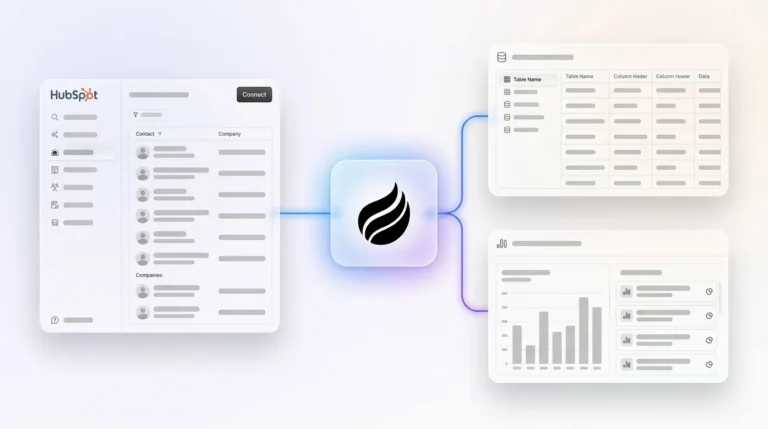
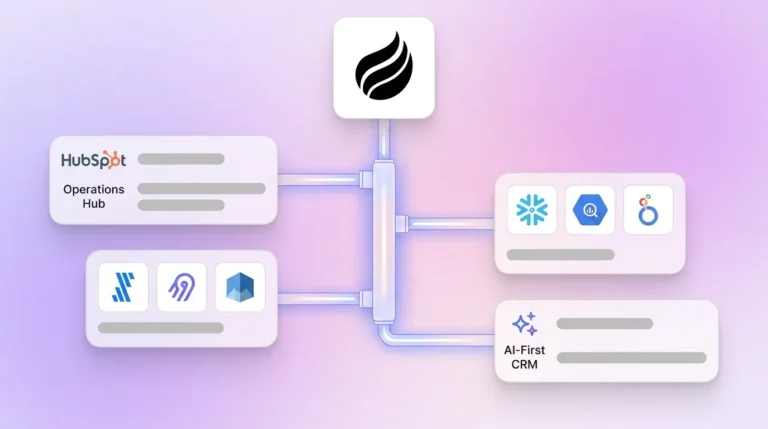
All visitor data then syncs automatically to Salesforce or HubSpot, which creates enriched contact records without manual entry. This sequence of filtering, identification, suggestion, alerting, and syncing turns visitor ID into a coordinated system that delivers about 3x outreach ROI through better targeting and timing.
Real-World Outcomes and 2026-Ready Validation
Companies using Coffee’s visitor identification see about 20% improvements in lead quality through accurate bot filtering and persona-based lead suggestions. Unlike legacy tools that stop at company-level identification, Coffee delivers named individuals with suggested messaging, which cuts research time and raises connection rates. The table below compares Coffee to legacy tools on the three capabilities that most influence lead quality: bot filtering accuracy, CRM integration speed, and lead specificity.

| Feature | Legacy Tools | Coffee Agent | 2026 Compliance |
|---|---|---|---|
| Bot Filtering Accuracy | 82–88% (industry average in 2024–2026) | 95% AI-powered filtering | GDPR/CCPA compliant |
| CRM Integration | Manual export and import | Real-time auto-sync | SOC 2 Type 2 certified |
| Lead Suggestions | Company-only data | Named individuals plus personas | Privacy-first identification |
Transform your visitor identification into a revenue-generating sales asset with Coffee.
Implementation Details for RevOps and Engineering
Coffee’s visitor identification pixel requires a simple script installation in your website’s head tag. The SOC 2 Type 2 certified platform connects to existing HubSpot and Salesforce instances without complex configuration or ongoing maintenance work. Coffee also provides unlimited visitor identification without LLM usage caps, so teams can scale traffic without surprise limits.
FAQ
What visitor ID mistakes hurt pipeline ROI the most?
The most damaging mistakes include bot traffic contamination, low-accuracy probabilistic identification, weak CRM integration, missing high-intent signals, delayed alerts, subdomain tracking gaps, cookie blocking issues, privacy non-compliance, inflated unique visitor counts, and missing persona-based lead prioritization. Together, these issues remove 20–30% of potential pipeline efficiency through junk leads, missed opportunities, and wasted sales effort.
How does Coffee filter bot traffic from visitor identification?
Coffee’s AI agent uses pattern recognition and behavioral analysis to separate human visitors from automated traffic with about 95% accuracy. The system evaluates signals such as mouse movement, scroll behavior, interaction timing, and request signatures to confirm genuine prospects. This filtering runs in real time so only verified human visitors enter your CRM and receive outreach.
What are the steps for integrating visitor ID with HubSpot and Salesforce?
Coffee’s CRM integration starts with simple authentication through your HubSpot or Salesforce account. After connection, the agent creates new contact and company records for identified visitors, enriches existing records with behavior data, and syncs all activity in real time. Your current field mappings and workflows remain intact, and visitor identification appears as additional contact properties.
How do 2026 privacy regulations affect visitor identification tools?
GDPR requires explicit consent for EU visitor identification, and CCPA 2026 regulations require meaningful consent and clear opt-out options for California residents. Compliant tools must run location-based consent flows, provide transparent privacy notices, honor deletion requests, and avoid dark pattern designs. Coffee supports these requirements through built-in consent management and privacy-first identification methods.
Which high-intent visitor signals should sales teams prioritize?
High-intent signals include multiple page visits in a session, long time on pricing or product pages, quick return visits, engagement with case studies or ROI tools, and movement through logical content paths. Coffee’s agent scores these behaviors and sends real-time alerts when visitors show buying intent so sales can focus on prospects most likely to convert.
Conclusion
These ten visitor identification mistakes create a hidden drain on pipeline efficiency for RevOps teams. Bot contamination, poor CRM integration, weak intent signals, and missing prioritization combine into unreliable lead data and wasted sales effort. Coffee’s agent-powered visitor identification addresses these gaps with accurate bot filtering, seamless CRM sync, and persona-based lead suggestions that turn anonymous traffic into qualified pipeline.