Written by: Doug Camplejohn, CEO & Co-Founder, Coffee
Key Takeaways
- Audit CRM data hygiene and deploy autonomous agents to remove manual entry, which prevents garbage-in-garbage-out forecasts.
- Build hybrid AI models using ARIMA, XGBoost, and Monte Carlo simulations to improve forecast accuracy by 20-30% over traditional methods.
- Track week-over-week pipeline changes and use AI deal risk signals to spot slippage patterns before they affect quarterly results.
- Segment forecasts by deal characteristics and buyer patterns, then maintain continuous feedback loops so models keep improving.
- Use Coffee’s autonomous agent for high-quality data capture and pipeline intelligence; review Coffee’s pricing to reach 90-95% forecasting accuracy.
AI Sales Pipeline Forecasting: Executive Overview
AI pipeline forecasting uses machine learning algorithms to predict deal progression and revenue outcomes by analyzing CRM data, buyer engagement patterns, and historical performance metrics. Bad data still produces bad forecasts, while agent automation creates the reliable data foundation that lets top-quartile teams reach 90-95% accuracy rates (±5-10% variance) with AI and machine learning assisted sales forecasting.
The strategic framework follows three phases. Data Foundation establishes strong CRM hygiene through automation. AI Strategy introduces hybrid human and AI models. Pipeline Review focuses on continuous monitoring and refinement. Coffee’s Pipeline Intelligence shows this framework in practice by automatically capturing deal activities and providing week-over-week visibility that replaces manual spreadsheet compilation. See Coffee’s pricing and plans to apply this approach in your own pipeline.
Market Context: From Manual CRM Updates to Autonomous Agents
Traditional sales forecasting relied on manual spreadsheet updates and subjective rep assessments, which delivered 50-70% accuracy for average B2B teams. Legacy CRMs like Salesforce and HubSpot act as passive databases, require constant human maintenance, and lose historical context when fields update in their relational database architecture.
The 2026 evolution centers on autonomous AI agents that move systems from passive data storage to active data unification and intelligence. Coffee’s AI intelligence layer integrates with Stripe and QuickBooks to sync financial data automatically, while its agent handles email logging, call transcription, and deal progression tracking. This agent-led approach replaces legacy systems that burden sales reps with data entry responsibilities.

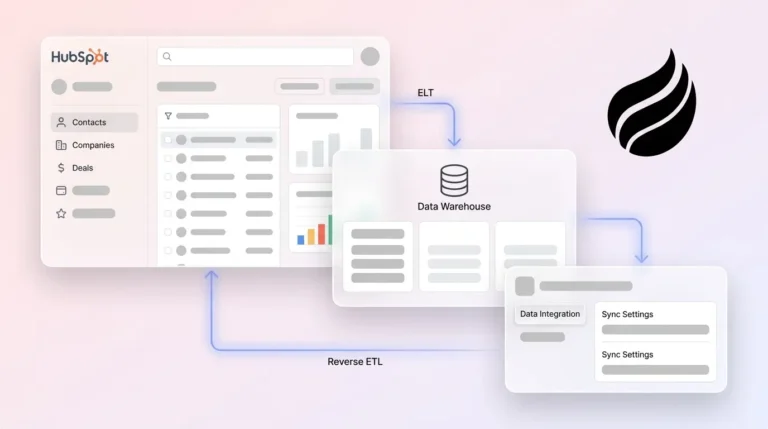
This shift from manual data entry to autonomous capture depends on a fundamental architectural change. Modern agent architectures like Coffee use data warehouses for complete historical tracking, unlike traditional CRMs that lose context during field updates. This architectural advantage supports sophisticated AI models that analyze patterns over time and deliver accuracy improvements that passive systems cannot match.
How AI Pipeline Forecasting Works: Turning Activity Data into Visibility
AI pipeline forecasting runs through three connected stages. Data ingestion captures structured CRM fields and unstructured communications through autonomous agents that parse emails, transcribe calls, and enrich contact records. Machine learning models then process this data using hybrid approaches combining ARIMA, XGBoost, Prophet, and Monte Carlo simulations to predict deal outcomes and progression timelines. Output visualization presents week-over-week trends, risk signals, and probability scores through dashboards that support clear decision-making.
Coffee’s Agent shows this integrated approach in real environments by logging email interactions, enriching contact records with firmographic data, and powering Pipeline Compare functionality that tracks deal movement without manual work. The system keeps complete historical context in its data warehouse, which enables pattern recognition that relational databases cannot support.

To understand which engagement signals most strongly predict deal outcomes, AI models use SHAP (SHapley Additive exPlanations) values to quantify each factor’s impact on close probability:
| Feature | SHAP Value | Impact |
|---|---|---|
| Email Response Rate | High | High engagement predicts higher close probability |
| Stakeholder Count | Medium | Multi-threading boosts win rates by 130% in deals over $50K |
| Deal Age | Negative | Extended cycles reduce close probability |
SHAP explainability frameworks highlight which factors drive AI predictions so sales leaders can focus coaching on high-impact activities. Coffee’s data warehouse architecture preserves the historical context that legacy relational databases lose during field updates, which keeps these explanations reliable over time.
Strategic Considerations: Automation, Integration, and Data Quality
Implementation decisions revolve around three connected factors that shape AI forecasting success. First, automation versus manual processes. Agent-led data capture delivers stronger adoption than traditional CRM entry requirements. Coffee’s auto-enrichment capabilities remove the need for separate tools like ZoomInfo add-ons, while hybrid human and AI loops keep human judgment in complex deals.

This automation advantage directly affects the second factor, integration complexity. Coffee’s simple authentication process for Salesforce and HubSpot Companion mode requires minimal IT involvement, unlike complex legacy system configurations. Easier integration shortens time to value and reduces the total cost of ownership.
The third factor is cost structure. Coffee’s seat-based pricing consolidates what would otherwise require separate licenses for enrichment, recording, and forecasting capabilities. This unified approach reduces spend and supports the data quality foundation that accurate AI forecasting depends on.
CRM data hygiene still sits at the core of AI accuracy. Contact data can decay at 30% annually without active management. Coffee’s autonomous agent addresses this challenge through continuous enrichment and validation, which maintains data quality at a scale that manual processes cannot match.

Readiness Framework: Assessing Your AI Forecasting Fit
Assessment starts with data quality audits, team size evaluation for Coffee’s SMB and mid-market focus, and a review of the existing CRM stack. The phased implementation includes a comprehensive audit of the current data state, Coffee Agent pilot deployment with demo validation, backtesting using MAPE and sMAPE metrics, then full rollout with continuous monitoring.
Performance comparisons highlight clear differences between legacy manual methods and Coffee’s agent-driven approach, which delivers the accuracy improvements discussed earlier through high-quality data capture. A readiness matrix then evaluates current capabilities against Coffee’s automated intelligence requirements to show whether your organization can reach similar gains.
Success metrics include forecast accuracy improvements, time saved from removed manual entry, and better pipeline visibility. Many organizations see early results soon after Coffee Agent deployment, with full ROI often realized within the first quarter of implementation.
Common Pitfalls: Avoiding AI Forecasting Failure Modes
Frequent implementation failures come from garbage-in-garbage-out data caused by manual entry, forecast surprises caused by weak trend monitoring, and low user adoption from complex interfaces. Coffee’s agent automation removes 8-12 hours each week of manual data work and provides continuous pipeline monitoring through Pipeline Compare functionality.
This continuous monitoring matters because week-over-week pipeline change tracking enables early detection of slippage patterns and risk signals before they affect quarterly results. Coffee’s automated logging captures every customer interaction, which keeps full visibility into deal progression without relying on rep memory or manual updates.
Risk mitigation strategies include automated data validation, continuous enrichment workflows, and intelligent duplicate detection that prevents data fragmentation. Coffee’s agent manages these maintenance tasks autonomously so sales teams can focus on revenue-generating work instead of database administration.
AI Sales Forecasting Best Practices: 7-Step Implementation
Follow a clear seven-step rollout to build durable AI forecasting. Each step builds on the previous one and keeps risk low.
1. Audit current data quality to set baseline metrics for CRM hygiene and completeness.
2. Connect Coffee Agent to Google Workspace or Microsoft 365 so auto-capture starts immediately.
3. Deploy hybrid model tuning that combines statistical methods like ARIMA and Prophet with machine learning algorithms such as XGBoost and Monte Carlo simulations.
4. Set weekly pipeline reviews using Coffee’s Compare feature to maintain ongoing visibility.
5. Configure automated risk signals and alerts so leaders see issues before forecasts slip.
6. Implement feedback loops that monitor performance and feed results back into the models.
7. Refine based on MAPE and sMAPE plus stakeholder input to keep accuracy improving over time.
This structured rollout replaces manual spreadsheet workflows. Coffee’s automated insights already helped a $10M+ firm retire its previous forecasting process entirely.
Implementation success depends on stakeholder alignment, clear success metrics, and consistent adoption across the sales organization. Coffee’s intuitive interface and automated workflows reduce change management friction while delivering quick gains in data quality and forecast accuracy.
FAQ
What integrations does Coffee support for pipeline forecasting?
Coffee integrates natively with Salesforce and HubSpot through simple authentication, plus Zapier connectivity for additional tools. The agent syncs with Google Workspace and Microsoft 365 for email and calendar data capture, while recent integrations include QuickBooks and Stripe for financial data automation.

How does Coffee ensure data security for AI forecasting?
Coffee maintains SOC 2 Type 2 and GDPR compliance with enterprise-grade security protocols. Customer data stays isolated and never trains public AI models, which protects privacy and keeps sensitive sales information compliant.
How does Coffee compare to Gong or ZoomInfo for forecasting accuracy?
Coffee’s built-in agent approach delivers stronger data quality than fragmented tool stacks by using automated data capture and enrichment. This integrated approach costs less than separate Gong plus ZoomInfo licenses while providing better forecasting results through a higher quality data foundation.
What pricing model does Coffee use and what accuracy improvements can we expect?
Coffee uses simple seat-based pricing without complex metering on AI usage or processes. Organizations typically see 20-30% forecast accuracy improvements through Coffee’s automated intelligence, with full ROI often realized within the first quarter of implementation.
How quickly can we implement Coffee’s AI forecasting capabilities?
Coffee Agent deployment supports a fast transition from initial setup to full forecasting capability. The straightforward authentication process for existing CRMs keeps IT work light, and automated data capture begins as soon as email and calendar systems connect.
The shift from manual forecasting to agent-led automation now defines modern revenue operations. Coffee’s autonomous agent creates the reliable data foundation required for accurate AI predictions and removes the garbage-in-garbage-out cycle that holds legacy systems back. Explore Coffee’s forecasting capabilities to build predictable revenue growth from your pipeline.