Written by: Doug Camplejohn, CEO & Co-Founder, Coffee
Key Takeaways
-
BoostUp AI (now Terret) claims 95% forecast accuracy but depends on manual CRM data entry, which often results in unreliable outputs.
-
71% of sales reps spend valuable time on manual data entry, which weakens traditional CRM-based forecasting tools like BoostUp.
-
Coffee AI’s autonomous agent captures complete data from emails, calls, and meetings, creating stronger pipeline intelligence without extra admin work.
-
Coffee typically saves teams 8–12 hours per rep each week while improving forecast reliability through consistent, automated data capture.
-
Ready for accurate forecasting? Try Coffee’s agent-powered forecasting to see the impact of automated data capture on your pipeline.

How BoostUp AI (Terret) Handles Pipeline Forecasting
BoostUp AI pipeline forecasting, rebranded as Terret in 2025, uses machine learning algorithms to analyze CRM pipeline data, engagement signals, and historical deal patterns for revenue predictions. The platform combines Salesforce and HubSpot opportunity data with activity signals to generate risk scores and forecast projections across multiple dimensions.
Core functionality includes pipeline inspection dashboards, deal risk scoring based on engagement velocity, and automated forecast roll-ups for management reporting. However, forecasting accuracy depends heavily on underlying CRM data quality, so if sales reps fail to log calls or update stages, the tool’s forecasts reflect incomplete information. This dependency on manual data entry creates a fundamental weakness in CRM-based forecasting approaches.
Core Components of BoostUp AI Pipeline Forecasting
Despite its data dependency, BoostUp AI (Terret) offers a broad feature set. Understanding these components clarifies what the platform delivers and where its reliance on CRM hygiene introduces risk.
BoostUp AI (Terret) pipeline forecasting operates through several integrated components:
-
Machine Learning Forecasting: Analyzes historical deal patterns and current pipeline data to predict revenue outcomes.
-
Pipeline Risk Scoring: Flags at-risk deals based on engagement velocity, stage duration, and activity patterns.
-
CRM Integrations: Connects natively to Salesforce, HubSpot, and Microsoft Dynamics for data ingestion.
-
Multi-dimensional Dashboards: Visualizes forecasts across teams, territories, and product lines.
-
Conversation Intelligence: Analyzes deal signals from conversations to surface insights.
A typical BoostUp AI pipeline forecasting example involves the system analyzing a $50,000 software deal that has remained in the Proposal stage for 45 days with declining email engagement. The platform assigns a high-risk score and recommends immediate intervention. However, this analysis varies significantly with data quality, and incomplete or inconsistent CRM entries can cause models to misinterpret behavior changes as volatility.
BoostUp AI Forecasting Accuracy and Pricing Details
BoostUp AI claims up to 95% forecasting accuracy, though real-world performance varies significantly. Companies with disciplined CRM hygiene see AI accuracy improvements of 15–25% over weighted pipeline methods, but this assumes clean, complete data entry, a requirement that most sales teams struggle to maintain.
The following table summarizes BoostUp and Terret’s core specifications and constraints across accuracy, pricing, integrations, and implementation effort.
|
Aspect |
BoostUp/Terret |
Notes |
|---|---|---|
|
Accuracy |
Up to 95% claimed |
|
|
Pricing |
Terret.ai (rebranded from BoostUp) Machine Forecasting module is priced at $80 per user per month |
Other modules priced at $30–$50 per user per month |
|
Integrations |
Salesforce/HubSpot/Microsoft Dynamics |
|
|
Implementation |
Varies |
Requires data cleanup and training |
BoostUp AI vs Coffee AI: Data, Forecasting, and Pricing Compared
The fundamental difference between BoostUp AI and Coffee AI lies in data acquisition strategy. BoostUp relies on manually entered CRM data that is often incomplete or outdated, while Coffee AI’s autonomous agent automatically captures comprehensive interaction data from emails, calls, and meetings.

The table below shows how this architectural difference affects four critical areas: data input, forecasting method, user adoption, and pricing.
|
Category |
BoostUp/Terret |
Coffee AI |
Advantage |
|---|---|---|---|
|
Data Input |
CRM-dependent, manual entry |
Agent auto-captures emails, calls, and transcripts |
|
|
Forecasting Method |
Machine learning on existing CRM data |
Pipeline Compare week over week plus AI search |
Coffee: Gains accuracy from complete, current data |
|
User Adoption |
Lower, due to data entry burden |
Higher, because the agent handles busywork |
Coffee: Frees reps from manual updates |
|
Pricing Model |
Terret.ai Machine Forecasting module at $80 per user per month |
Simple seat-based pricing |
Coffee: Includes unlimited agent labor |
Struggling with unreliable forecasts from incomplete CRM data? Start your free Coffee trial and experience agent-powered pipeline intelligence that keeps data accurate and complete.
Why Coffee AI Outperforms BoostUp for Pipeline Forecasting
Coffee AI’s agent-driven approach fixes the core weakness of CRM-based forecasting tools: inconsistent data quality. BoostUp AI analyzes whatever happens to exist in your CRM, while Coffee AI’s autonomous agent builds a complete, accurate record from the start.
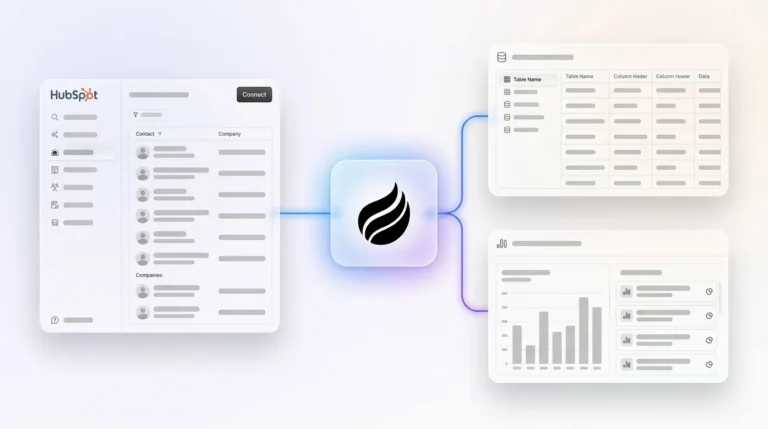
The Coffee Agent tracks pipeline changes, creates enriched contact records, and maintains full interaction history in a built-in data warehouse. This foundation powers features like Pipeline Compare, which visualizes week-over-week changes without manual CSV exports, and AI search that answers natural language questions such as “Which deals are stuck in negotiation?”

A $10M+ ARR technology firm recently replaced spreadsheet-based forecasting and an underutilized Salesforce instance with Coffee AI. The agent’s automated data capture removed manual entry work while providing accurate pipeline intelligence. Their weekly reviews shifted from interrogation about updates to strategic discussions about next steps.
This case study illustrates the type of organization that benefits most from Coffee’s approach. Coffee AI’s ideal customer profile includes small to mid-market companies (1–500 employees) with growing sales teams that want modern automation without the complexity and manual overhead of legacy CRM systems. The platform works as either a standalone CRM or as a Companion App that enhances existing Salesforce or HubSpot installations.
Best-Fit Use Cases and Platform Limitations
BoostUp AI (Terret) works best for large enterprises with dedicated RevOps teams, clean CRM data, and established data entry processes. Even in this ideal scenario, however, the platform’s value depends entirely on maintaining that data quality over time, and once CRM hygiene degrades, the platform faces the data quality limitations discussed earlier, which weaken forecasting accuracy.
Coffee AI excels for growing teams frustrated with manual data entry, companies seeking modern automation, and organizations that want accurate forecasting without CRM maintenance overhead. The platform is SOC 2 Type 2 compliant and connects to existing tools via Zapier, with deeper native integrations planned on the 2026 roadmap.
Transform your pipeline forecasting with automated data capture. Book a Coffee demo to see how agent-driven intelligence delivers accurate forecasts without extra admin work.
Decision Framework for Choosing Coffee AI or BoostUp
Choose Coffee AI if you need automated data capture, dislike manual CRM entry, or want an agent that handles busywork while delivering accurate insights. BoostUp or Terret only makes sense when you already have pristine CRM data and dedicated resources for ongoing maintenance, a situation that describes a minority of mid-market sales organizations. For most growing teams, Coffee’s agent-first approach removes forecasting headaches while reclaiming the hours reps currently spend on data entry.
Frequently Asked Questions
How accurate is BoostUp AI pipeline forecasting?
As discussed earlier, BoostUp AI’s claimed 95% accuracy depends heavily on CRM data quality, and actual improvements vary based on how well teams maintain their data hygiene. Coffee AI’s agent captures complete activity data automatically, which supports more reliable forecasting without extra manual work.
How does the Terret rebrand impact BoostUp AI functionality?
The rebrand from BoostUp to Terret is primarily cosmetic, and the underlying platform keeps the same CRM-dependent architecture and data quality constraints. Core forecasting features, integrations, and pricing remain largely unchanged. The fundamental challenge of relying on manually entered CRM data continues regardless of branding.
What integrations does Coffee AI offer compared to BoostUp?
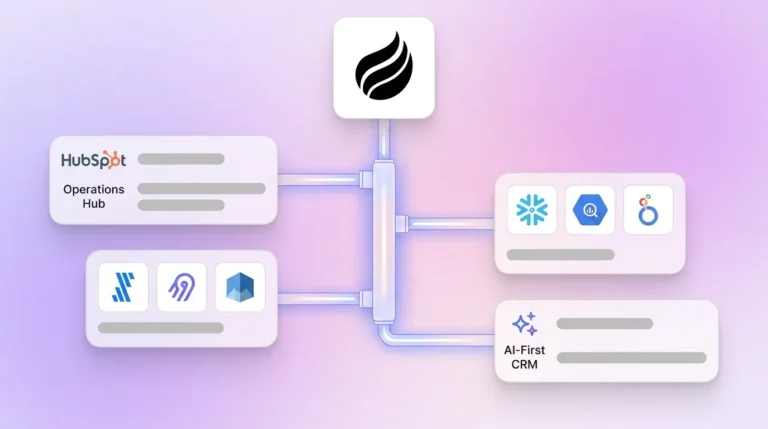
Coffee AI integrates with Google Workspace, Microsoft 365, Zoom, Teams, and existing CRMs through Zapier connections. The platform also offers a Salesforce Companion App for teams committed to their current CRM. BoostUp or Terret focuses on native CRM integrations but does not provide automated data capture. Coffee’s 2026 roadmap includes deeper native integrations while preserving its agent-first architecture.
How does Coffee AI pricing compare to BoostUp?
Coffee AI uses simple seat-based pricing with unlimited agent labor included, which removes complex metering or setup fees. Terret.ai, rebranded from BoostUp, prices its Machine Forecasting module at $80 per user per month. Coffee’s transparent pricing model makes it easier for growing teams without enterprise budgets to adopt.
Can you provide pipeline forecasting examples for both platforms?
BoostUp AI provides risk-scored deal visualizations that highlight engagement velocity and stage duration. Coffee AI offers Pipeline Compare for week-over-week analysis and AI search for natural language queries such as “What’s closing this month?” Coffee’s agent keeps the underlying data complete, which makes these insights more dependable than CRM-dependent alternatives.
Eliminate forecasting uncertainty with Coffee’s autonomous data capture. The agent ensures strong data quality from day one, so your forecasts reflect reality instead of partial CRM entries.
Conclusion: Why Data Architecture Matters More Than Algorithms
BoostUp AI pipeline forecasting, now Terret, illustrates the limits of CRM-dependent forecasting tools in 2026. The platform offers sophisticated machine learning capabilities, yet its reliance on manually entered CRM data creates accuracy constraints that no algorithm can fully overcome. As established throughout this analysis, the “garbage in, garbage out” problem persists regardless of AI sophistication.
Coffee AI’s agent-driven architecture represents a different path by automating data capture from emails, calls, and meetings, which keeps pipeline intelligence complete and accurate without manual overhead. As noted earlier, the majority of sales reps who spend time on manual data entry not only lose productivity but also weaken every forecast their organization produces.
By removing manual data entry as a prerequisite for accurate forecasting, Coffee AI both returns meaningful time to reps and ensures that forecast quality improves as the team grows. For revenue operations leaders evaluating forecasting tools in 2026, the key question is whether your data foundation can support advanced predictions, and Coffee AI is built to answer that question with confidence.