Written by: Doug Camplejohn, CEO & Co-Founder, Coffee
Key Takeaways
- Manual sales qualification wastes 71% of reps’ time on data entry, and MEDDIC/MEDDPICC frameworks replace this with structured deal analysis for accurate forecasts.
- MEDDIC’s six core elements (Metrics, Economic Buyer, Decision Criteria, Decision Process, Identify Pain, Champion) give reps concrete discovery questions that qualify deals effectively.
- MEDDPICC extends MEDDIC with Paper Process and Competition for complex enterprise sales, which prevents late-stage surprises and boosts win rates by 18%.
- Scoring systems, a 3-3-3 qualification rhythm, and mutual action plans keep your pipeline healthy and support 85%+ forecast accuracy.
- Automating MEDDPICC tracking with Coffee’s AI agent removes manual work and helps teams qualify deals about twice as fast.
Step 1: Break Down MEDDIC Elements for Structured Discovery
MEDDIC consists of six core elements that structure complex sales conversations. The table below covers the first four elements that focus on business context.
| Element | Definition | Key Question |
|---|---|---|
| Metrics | Quantified outcomes the buyer needs | What does success look like in 12 months? |
| Economic Buyer | Person who can say yes or kill the deal | Whose “no” overrides everyone else’s “yes”? |
| Decision Criteria | What the buyer evaluates solutions against | What are your top 3 non-negotiables? |
| Decision Process | Steps, timeline, and people involved in buying | Walk me through how you have made similar purchases. |
The final two MEDDIC elements focus on the human side of the deal, where urgency and internal support live.
| Element | Definition | Key Question |
|---|---|---|
| Identify Pain | Specific business problem creating urgency | What happens if you do nothing about this for the next 6 to 12 months? |
| Champion | Internal advocate who sells your solution when you are not in the room | Who will push this forward internally when you are not on the call? |
MEDDIC was developed at PTC in 1996 by Dick Dunkel alongside Jack Napoli under SVP of Sales John McMahon. The framework improves forecast accuracy significantly. Companies using MEDDIC achieve 85%+ forecast accuracy compared to 60-70% without structured qualification.
MEDDIC works well for many sales motions, yet enterprise deals often introduce extra complexity that the original six elements do not fully cover. MEDDPICC builds on MEDDIC to handle that additional complexity.
Step 2: Evolve from MEDDIC to MEDDPICC for Enterprise Deals
MEDDPICC extends MEDDIC by adding two critical elements for enterprise sales. The table below shows how these additions align with longer, higher-value enterprise deals.
| Element | MEDDIC | MEDDPICC |
|---|---|---|
| Paper Process | Not included | Legal, procurement, administrative steps |
| Competition | Not included | Incumbent solutions, alternative vendors, status quo |
| Best for ACV | Lower ACV | Higher ACV |
| Sales Cycle | Shorter | Longer |
Use MEDDPICC for complex enterprise deals involving legal and procurement teams. The additional elements reduce late-stage surprises that often derail enterprise opportunities.
Step 3: Use Targeted Discovery Questions for Each MEDDPICC Element
Specific discovery questions for each MEDDPICC element turn the framework into practical talk tracks your reps can use on every call.

Metrics Questions:
- What are your current key metrics, and how are they being tracked?
- How are you measuring success today?
- Can you quantify the potential impact of solving this problem?
Economic Buyer Questions:
- Who ultimately approves the budget for this initiative?
- Who else needs to be involved in evaluating this?
- What is the approval process for investments of this nature?
Champion Questions:
- Who internally stands to gain the most from solving this problem?
- Who can influence the decision-making process in our favor?
Common failure modes include Champion confusion, missing Economic Buyer, unknown Decision Process, and unquantified Metrics. These gaps stay hidden without a clear set of questions mapped to each MEDDPICC element.
Step 4: Build a Deal Scoring System with a Simple 1–3 Scale
A simple scoring system for each MEDDPICC element helps you see which deals need attention first. Create a 1 to 3 scale for every element to build a traffic light view of your pipeline.
| Score | Status | Description |
|---|---|---|
| 1 | Red | No information gathered |
| 2 | Yellow | Partially qualified |
| 3 | Green | Confirmed and tested |
This traffic light system shows at a glance where your qualification gaps sit across the pipeline. Organizations that fully adopt MEDDPICC report 18% higher win rates and 24% larger deal sizes. Coffee’s API integration then auto-populates Google Sheets with these qualification scores from call transcripts and emails, so leaders can review deal health without extra admin work.

Step 5: Create Mutual Action Plans with Collaborative Scripts
Mutual close plans keep both sides aligned on milestones, owners, and timelines. The key is making these plans collaborative so the buyer feels shared ownership of the path to signature.
Use language that frames the plan as a joint commitment. For example, say, “Based on our discussion, here is what we will accomplish by [date]: technical evaluation complete, security review initiated, and executive presentation scheduled.” This phrasing creates accountability on both sides and builds momentum through the sales process.
Step 6: Apply the 3-3-3 Rule for Consistent Qualification Rhythm
The 3-3-3 rule creates a clear qualification cadence for every opportunity. Reps qualify three MEDDPICC elements by call three and complete full qualification by stage three of the sales process.
This rhythm keeps deals from advancing without a solid foundation. Research shows that 40-60% of sales pipelines stall due to buyer indecision, so consistent qualification becomes essential for momentum.
Maintaining this rhythm manually, however, often turns into a documentation burden. Reps spend more time updating fields than having real conversations, which creates its own drag on performance.
Step 7: Automate MEDDPICC with Coffee’s AI Agent
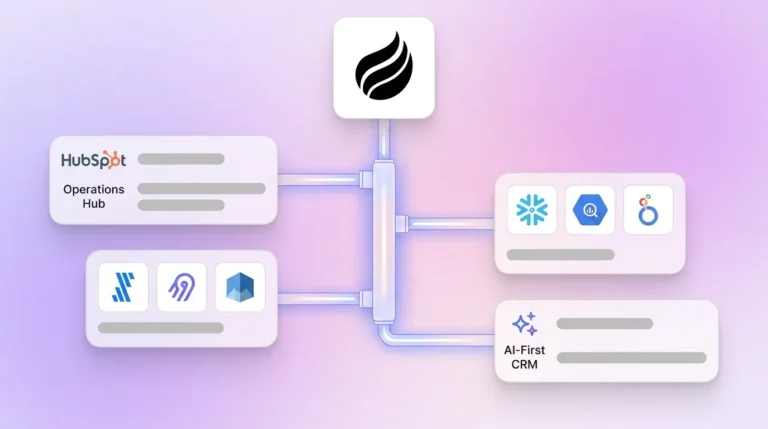
Coffee’s AI agent turns MEDDPICC from manual tracking into automated intelligence that runs in the background. The agent captures Pain, Champion, and Implications directly from call transcripts and emails, then structures MEDDPICC notes and sends them into Salesforce or HubSpot automatically.
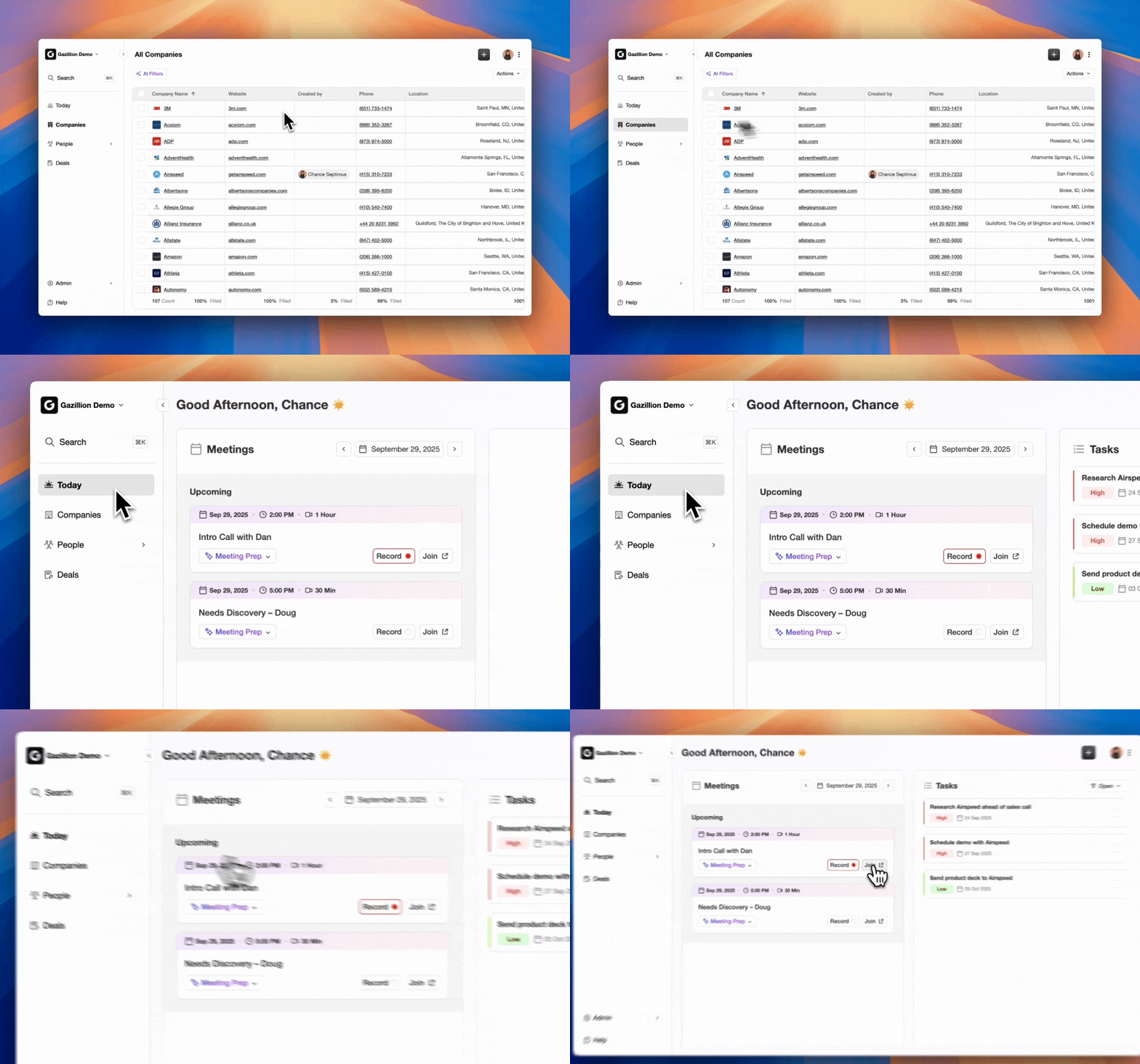
Coffee delivers measurable results: companies using Coffee’s agent achieve qualification improvements. To meet teams where they are, Coffee offers two deployment options, since different segments have different system needs. The Standalone CRM serves SMBs, while the Companion App integrates with existing systems for mid-market teams.
Unlike competitors that only store data, Coffee acts as a proactive agent that ensures good data enters your system. See how Coffee automates MEDDPICC tracking to eliminate manual work and keep qualification current without extra clicks.
Step 8: Review and Forecast with Coffee Pipeline Compare
Coffee’s Pipeline Compare feature visualizes week-over-week changes, highlighting progressed deals and stalled opportunities. This visibility removes the manual spreadsheet work that usually consumes hours of pipeline review time each week, so teams save administrative effort while improving win rates.
By making deal progression objective and visible, the system reduces gut-based overrides that compromise forecast accuracy. Leaders can coach from clear MEDDPICC data instead of relying on anecdotal updates.
MEDDPICC Success Rates and Real-World Validation
Organizations with consistent methodology reinforcement can achieve higher win rates than those with one-time training. Enterprise implementations often show stronger results than SMB applications because MEDDPICC aligns closely with the complexity of larger deals.
Frequently Asked Questions
What is the 3-3-3 rule in sales?
The 3-3-3 rule sets a clear qualification rhythm for reps. They qualify three MEDDPICC elements by the third sales call and complete full qualification by the third stage of their sales process. This structure keeps deals from advancing without proper foundation and reduces pipeline stalls.
How does MEDDIC improve the sales process?
MEDDIC provides structured discovery that lifts forecast accuracy from about 60 to 70 percent up to 85 percent or more. Reps understand buyer metrics, decision-makers, criteria, and processes before advancing deals, which cuts time spent on unqualified opportunities and supports more predictable revenue.
What is MEDDPICC success rate?
Companies that implement MEDDPICC see 18 percent higher win rates and 24 percent larger deal sizes compared to unstructured qualification approaches. Success rates improve further when teams reinforce the methodology consistently and use AI automation tools that reduce the manual tracking burden.
How does Coffee compare to competitors?
Coffee operates as an autonomous agent that captures and structures MEDDPICC data automatically, while many competitors function as passive databases that require manual entry. Coffee is SOC 2 Type 2 compliant and offers both standalone CRM and companion app options so teams can adopt it without disrupting existing workflows.
Conclusion: Qualify Deals 2x Faster with Coffee
These eight steps turn MEDDPICC from a checkbox exercise into a revenue driver. Manual qualification wastes time and creates inaccurate forecasts, while Coffee’s AI agent automates the process and improves data quality at the same time.
Coffee removes the data entry burden mentioned earlier by automatically capturing MEDDPICC elements from every customer interaction. The result is stronger qualification and more predictable revenue growth. Start your free trial to implement AI-powered MEDDPICC qualification today.