Written by: Doug Camplejohn, CEO & Co-Founder, Coffee
Key Takeaways for Using MEDDPICC in Enterprise Sales
- MEDDPICC extends MEDDIC with Paper Process and Competition, which suits enterprise deals over $100K with complex procurement.
- Teams using structured qualification such as MEDDPICC see 41% higher win rates and 26% shorter sales cycles.
- Core elements include quantifiable Metrics, Economic Buyer access, mapped Decision Process, Champion development, and clear competitive analysis.
- AI automation that analyzes call transcripts and emails can remove 71% of the administrative time reps spend on manual data entry.
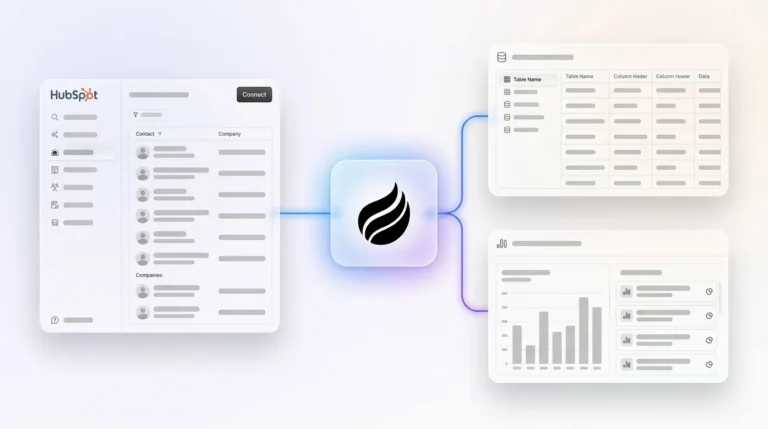
- Implement MEDDPICC effortlessly with AI-powered automation that works inside your existing Salesforce or HubSpot CRM.
MEDDPICC Components Explained for Enterprise Teams
MEDDPICC covers eight essential qualification components for enterprise sales.
1. Metrics: Quantifiable ROI measurements such as a 20% cycle reduction that justify budget allocation.
2. Economic Buyer: The individual with final budget authority who can approve purchases when others cannot.
3. Decision Criteria: The buyer’s evaluation standards that determine vendor selection.
4. Decision Process: The step-by-step timeline and stakeholder approval path.
5. Paper Process: Procurement, legal reviews, and contract logistics that can add 4-12 weeks to deal cycles.
6. Identify Pain: Core business problems that drive purchasing urgency.
7. Champion: Internal advocate who navigates organizational politics and provides insider intelligence.
8. Competition: Direct rivals, alternative solutions, and status quo options that buyers consider.
These eight components represent an evolution from the original six-element MEDDIC framework.
MEDDIC vs MEDDPICC for Enterprise Deals
MEDDPICC evolved to address gaps in the original MEDDIC framework for complex enterprise sales by adding Paper Process and Competition elements specifically designed for enterprise environments with formal procurement requirements. Understanding when to apply MEDDPICC instead of MEDDIC prevents over-complication on simple deals and missed signals on strategic enterprise opportunities.
Sales experts recommend MEDDPICC over MEDDIC for complex enterprise deals involving multiple stakeholders and formal procurement processes. The table below shows how the two frameworks differ in scope, ideal use cases, and the specific enterprise challenges each one addresses.
| Component | MEDDIC | MEDDPICC (Enterprise Enhanced) |
|---|---|---|
| Core Elements | Metrics, Economic Buyer, Decision Criteria, Decision Process, Identify Pain, Champion | All MEDDIC + Paper Process, Competition |
| Best For | Mid-market ($50k, 3-6 mo cycles) | Enterprise deals with longer cycles and multiple stakeholders |
| Win Rate Impact | Baseline win rates | Improved with structured use |
| Key Gap Addressed | N/A | Procurement stalls, competitive positioning |
These additional components in MEDDPICC create more qualification data to track, which is why the evolution fits 2026 realities where 40% of sales reps still update CRMs manually and legacy systems fail to capture unstructured qualification data from emails and call transcripts.
How MEDDPICC Works in Enterprise Sales Cycles
This section breaks down each MEDDPICC component and shows how enterprise teams can apply it consistently across long, multi-stakeholder deals.
Metrics in Enterprise Deals
Enterprise buyers require concrete ROI justification, which means you must link specific business pains to measurable outcomes such as 30% win rate improvements or $500K annual savings. Gathering this quantified data usually demands hours of manual research across discovery calls and follow-up emails. Coffee enriches deals with funding data and captures metrics discussions from sales briefings, which removes most of that manual research time.

Economic Buyer Identification
The Economic Buyer holds final budget authority and can approve purchases despite stakeholder opposition. VP-level executives often have veto power in enterprise environments, so missing this person creates hidden risk. Coffee tracks Economic Buyer mentions across call transcripts and email threads and then updates CRM records with stakeholder hierarchies.

Decision Criteria Mapping
Teams need a clear view of the buyer’s evaluation framework, including technical requirements, vendor qualifications, and success metrics. Enterprise deals often rely on complex scorecards with weighted criteria that influence every conversation. Coffee identifies decision criteria mentioned during discovery calls and structures them in your CRM so reps can align proposals with what matters most.
Decision Process Navigation
Effective qualification maps the complete approval workflow, including committee reviews, technical evaluations, and executive sign-offs. Average B2B deals involve 13 stakeholders across multiple departments, which creates many chances for delays. Coffee tracks process updates from meeting notes and email communications, which keeps the deal team aligned on next steps.

Paper Process Management
The Paper Process covers legal reviews, procurement vendor onboarding, security audits, and compliance requirements. Because these steps often surface late in the sales cycle, they can derail deals that seem close to closing. Teams that proactively provide security readiness kits close weeks faster, since they remove surprises. Coffee helps teams stay ahead by maintaining procurement checklists and alerting reps when compliance documents are mentioned in conversations.
Pain Identification and Quantification
Strong qualification connects symptoms to business impact with specific cost calculations. Between 40% and 60% of sales pipelines stall due to buyer indecision when pain is not quantified clearly. Coffee analyzes call transcripts to extract pain points and then suggests quantification frameworks that tie problems to financial outcomes.
Champion Development
Many deals are lost when champions fail to advance opportunities through the buying committee, which makes identifying a true Champion critical. True Champions have influence, credibility, and a personal stake in your solution’s success, not just enthusiasm for your product. Because Champion effectiveness can be hard to judge in real time, Coffee tracks Champion engagement levels and provides coaching recommendations based on interaction patterns.

Competition Analysis
Effective qualification evaluates direct competitors, alternative solutions, and status quo options. This clarity helps reps position value instead of reacting late to surprise vendors. Coffee’s Pipeline Compare feature tracks competitive mentions across all deal communications and provides differentiation talking points based on your Decision Criteria mapping.
MEDDPICC Enterprise Qualification Checklist
This scorecard helps you assess deal strength across all eight MEDDPICC components. Rate each element on a 1-5 scale.
Metrics (1-5): Business case quantified with specific ROI figures and timeline.
Economic Buyer (1-5): Direct access confirmed with budget authority validated.
Decision Criteria (1-5): Complete evaluation framework documented and weighted.
Decision Process (1-5): Step-by-step approval workflow mapped with timelines.
Paper Process (1-5): Procurement requirements identified with a clear compliance roadmap.
Identify Pain (1-5): Business problems quantified with cost of inaction calculated.
Champion (1-5): Internal advocate identified with proven influence and engagement.
Competition (1-5): All alternatives mapped with a defined differentiation strategy.
Higher scores indicate high-confidence Commit deals, while lower scores signal areas that need attention. Manual lead qualification takes 42 hours per lead, which creates a strong case for automation that can handle data collection and scoring.
Qualify Enterprise Deals 2x Faster with Coffee
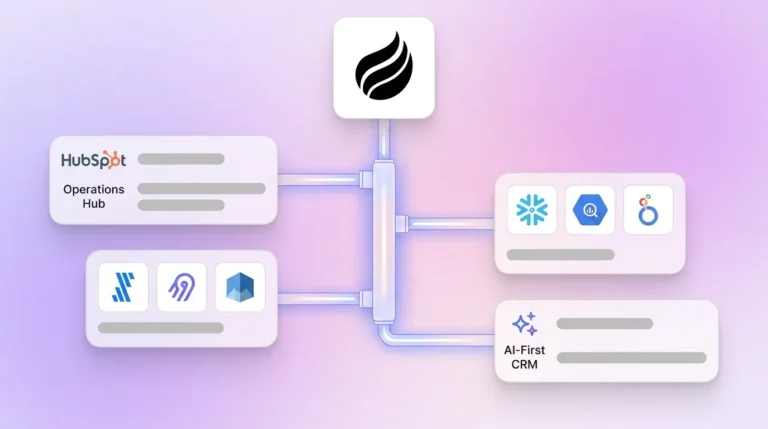
Coffee turns MEDDPICC qualification from manual busywork into automated intelligence that fits your existing workflow. The Companion App integrates with Salesforce and HubSpot, while the Standalone CRM offers complete agent-powered qualification for growing teams.
Coffee automatically handles all eight MEDDPICC elements. Briefings identify Economic Buyers from org charts, conversation summaries extract Pain and Champion details, and Pipeline Compare tracks Decision Process changes and Competition mentions. This automation reduces qualification time by 50% and saves mid-market teams 8-12 hours each week on data entry.

The agent structures meeting notes in MEDDPICC format, enriches contacts with funding and hierarchy data, and sends deal risk alerts when qualification elements are incomplete. Connect to your Salesforce or HubSpot instance and start automating enterprise qualification today.
Common MEDDPICC Pitfalls and How to Measure Success
Even teams that understand MEDDPICC’s eight components often struggle with execution and make predictable mistakes that weaken qualification accuracy. Avoid these frequent MEDDPICC implementation mistakes:
• Overlooking Paper Process until late stages, which causes procurement delays.
• Confusing enthusiastic contacts with true Champions who have influence and credibility.
• Relying on manual CRM maintenance, which creates significant data accuracy issues.
• Treating qualification as a one-time checklist instead of a dynamic process.
• Failing to quantify pain with specific cost calculations.
Success metrics include 90% of qualified opportunities advancing to the next stage, higher win rates with early Economic Buyer engagement, and improved forecast accuracy. Coffee’s SOC 2 compliance and automated data enrichment address security concerns while removing manual qualification bottlenecks.
Conclusion: Turning MEDDPICC into a Scalable Enterprise System
The MEDDPICC sales qualification framework for enterprise deals gives teams the structure they need to navigate complex B2B environments. Pairing this framework with Coffee’s automation ensures accurate qualification data without manual effort, which helps teams qualify opportunities 2x faster and improve pipeline accuracy. Transform your enterprise qualification process with Coffee’s AI-powered automation.
FAQ
What is the difference between MEDDIC and MEDDPICC?
MEDDPICC adds two critical components to the original MEDDIC framework: Paper Process and Competition. The Paper Process covers procurement, legal reviews, and contract logistics that can extend enterprise deals by months. Competition includes direct rivals, alternative solutions, and status quo options. These additions make MEDDPICC well suited for complex enterprise sales with formal buying processes, multiple stakeholders, and extended decision cycles.
How long does it take to implement MEDDPICC across a sales team?
Teams usually need 3-6 months for full MEDDPICC adoption across a sales organization. The rollout includes training reps and managers on the framework, integrating qualification fields into your CRM, establishing deal review processes, and creating accountability measures. Teams often see early improvements in deal visibility within 30-60 days, with measurable win rate gains after one full quarter of consistent use. Coffee can accelerate implementation by automating data collection and providing real-time coaching.
What deal size and complexity warrant using MEDDPICC?
MEDDPICC works best for enterprise deals over $100,000 with sales cycles longer than 90 days and involving at least five stakeholders. The framework becomes especially valuable when deals include formal procurement processes, security reviews, legal approvals, or regulatory compliance requirements. For smaller, simpler deals with shorter cycles and fewer decision makers, the original MEDDIC framework or lighter qualification methods may fit better and avoid unnecessary process overhead.
How do you measure MEDDPICC qualification success?
Key performance indicators include completion rates across all eight components, deal progression velocity through sales stages, forecast accuracy improvements, and win rate increases for fully qualified opportunities. Teams should track the percentage of deals with complete MEDDPICC data, time spent on qualification activities, and the correlation between qualification scores and closed-won outcomes. Regular deal reviews should evaluate qualification quality, not just completion, so reps gather meaningful insights instead of checking boxes.
Can MEDDPICC be automated with AI tools like Coffee?
AI tools such as Coffee can automate large parts of MEDDPICC qualification by analyzing call transcripts, emails, and meeting notes to extract relevant information for each component. The technology identifies Economic Buyers from organizational discussions, captures Decision Criteria from evaluation conversations, tracks Competition mentions, and monitors Paper Process requirements. While AI handles data collection and structuring, sales reps still validate insights, build relationships, and execute strategic actions based on the qualification intelligence.