Written by: Doug Camplejohn, CEO & Co-Founder, Coffee
Key Takeaways for Revenue Leaders
- Conversation intelligence tools automate data entry and analysis, freeing sales reps from 60% non-selling tasks so they can focus on revenue.
- AI-driven coaching delivers data-backed insights on talk tracks and objections, which accelerates rep ramp times and lifts performance.
- Automated CRM updates and deal insights improve qualification and forecasting accuracy, which drives an average 30% win rate increase.
- Teams save 8-12 hours per week per rep through meeting summaries, follow-ups, and targeted productivity automation.
- Implement autonomous conversation intelligence with Coffee’s AI-powered platform to achieve measurable ROI within 3-6 months and transform your sales performance.
The Core Problems Conversation Intelligence Solves for Sales Teams
Modern sales teams struggle with fragmented data spread across disconnected tools. Reps jump between HubSpot for records, ZoomInfo for enrichment, SalesLoft for outreach, and separate recording tools, which creates inefficiency and data gaps. This constant switching turns strategic sellers into part-time systems administrators.
Legacy CRM architecture depends on humans to maintain data quality, which creates a structural bottleneck. Without intelligent agents that handle data capture and analysis, sales teams spend hours on manual updates instead of selling. Organizations adopting RevOps-driven strategies with conversation intelligence can achieve 15-25% higher win rates compared to those relying on manual processes, according to recent industry benchmarks.
The key to unlocking these gains lies in moving from passive recording tools to autonomous systems that remove manual intervention. Coffee’s agent-first philosophy addresses this core problem by ensuring accurate data flows automatically into CRM systems. Instead of recordings that sit unused, Coffee’s autonomous agents process conversations, extract insights, and update systems in real time, which creates a reliable foundation for sales intelligence.
7 Proven Ways Conversation Intelligence Tools Improve Sales Team Performance
1. Use AI Insights to Supercharge Sales Coaching
Conversation intelligence turns sales coaching into a repeatable, data-driven process. AI analyzes talk tracks, objection handling, and discovery techniques across calls, then highlights specific skills each rep needs to improve. Companies that adopt conversation intelligence tools see more targeted coaching and faster ramp times for new reps.
Coffee.ai added speaker tracking in meeting reviews in December 2025, which shows talk time and breakdowns per participant so managers can coach toward healthy speaking ratios. Custom meeting briefings and summaries surface the key moments from each call, which lets coaches skip full recordings and focus on the highest-impact clips.

2. Boost Sales Productivity Through Targeted Automation
Conversation intelligence removes a large share of administrative work from a rep’s day. AI-powered platforms generate meeting summaries, draft follow-up emails, and update CRM records with no extra clicks from the sales team. Coffee users report these time savings primarily through automated data entry and meeting orchestration, which removes the manual busywork that often consumes a third of each rep’s week.

Sales professionals expect AI agents to reduce prospect research time by 34% and email drafting time by 36% once fully rolled out. This reclaimed time lets reps focus on relationship building and strategic selling activities that directly influence revenue.
3. Reveal Critical Deal Insights Hidden in Conversations
Conversation intelligence uncovers patterns in deal progression, risk signals, and buyer sentiment that humans rarely catch at scale. AI spots stalled deals, flags competitive threats, and highlights buying signals across every stage of the sales cycle. Teams using AI during the sales process have improved win rates by 30% on average because they act on these insights before deals go dark.
Coffee’s AI search functionality, launched in January 2026, answers natural-language questions like “Which deals are stuck in negotiation?” or “What is closing this month?” This capability turns pipeline reviews from spreadsheet audits into focused conversations about how to advance specific opportunities.
4. Turn Top Performer Behaviors into Team Playbooks
High-performing reps follow consistent patterns in discovery, storytelling, and closing. Conversation intelligence captures these behaviors and turns them into concrete examples the entire team can study. Organizations that use AI-powered conversation analysis shorten onboarding by giving new hires libraries of winning calls and clear guidance on proven techniques.
Teams move beyond subjective manager opinions and instead review thousands of successful interactions. They identify the exact talk tracks, objection responses, and value propositions that repeatedly lead to closed-won deals, then bake those patterns into training and coaching plans.
5. Strengthen Qualification and Forecasting Accuracy
Conversation intelligence makes consistent qualification realistic for every rep. AI automatically structures call notes using frameworks like BANT, MEDDIC, or SPICED so each discovery call captures the same critical details. This consistency improves forecast reliability and deal qualification accuracy across the pipeline.
This systematic data capture also reveals which qualification factors correlate most with wins. For example, closed-won deals typically involve more buyer contacts than lost deals, and multi-threading across these contacts can boost win rates by 15-20% for larger deals. These patterns only become visible when every interaction is documented in a structured, comparable way.
6. Keep CRM Data Accurate with Seamless Integration
Advanced conversation intelligence platforms do more than analyze calls, they keep CRM data clean and current. Coffee’s Stripe integration, launched in January 2026, automatically imports customers and companies, enriches them, and adds paid invoices to deals as Closed Won.

This autonomous data management removes the manual entry burden that causes 71% of sales reps to spend excessive time on admin work. Coffee’s agent-led approach keeps Salesforce and HubSpot instances accurate and up to date without human effort.
7. Prove Clear ROI from Conversation Intelligence Investments
Conversation intelligence delivers measurable returns across several levers. Dynamic coaching based on real conversations improves quota attainment and win rates. Additional value comes from lower training costs, faster ramp times, and more accurate forecasts that reduce surprise misses.
For a typical 20-person sales team, conversation intelligence can generate annual savings of $200,000-$400,000 through productivity gains, reduced turnover, and stronger win rates. The investment in CI tools typically pays for itself within the first two quarters as productivity gains and improved win rates compound across the team.
How to Roll Out AI Conversation Tools for Better Sales Performance
Successful conversation intelligence programs follow a clear strategy that focuses on integration, adoption, and measurement. The foundation of this strategy is choosing a platform that integrates natively with your existing CRM system, whether Salesforce, HubSpot, or another solution, because seamless data flow determines whether reps will actually use the tool. Coffee’s dual-model approach addresses this integration challenge by giving teams a choice between a standalone AI-first CRM and a companion app that enhances current systems without forcing a rip-and-replace project.
The implementation process typically follows three steps. First, authenticate with communication platforms such as Google Workspace, Microsoft 365, and Zoom. Second, configure AI analysis parameters that match your sales process. Third, define success metrics that align with coaching, productivity, and revenue goals. Start your Coffee trial today to experience seamless setup and immediate productivity gains.
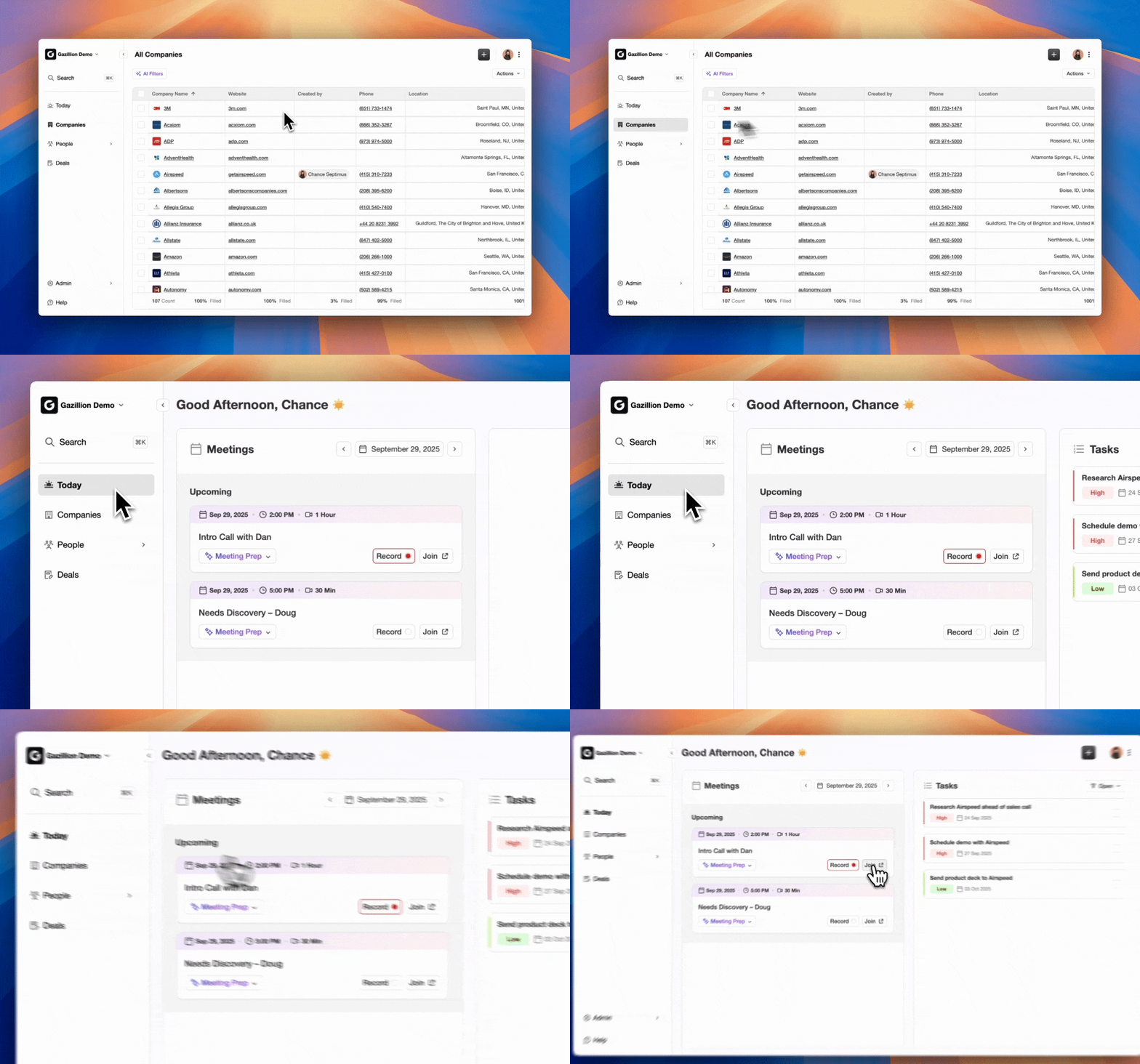
Success measurement should track leading indicators like call volume analysis, talk-to-listen ratios, and discovery question completion, along with lagging indicators such as win rates, deal velocity, and quota attainment. Regular reviews of these metrics keep your program on track and support continuous improvement.
Top Conversation Intelligence Platforms Compared by Automation
When teams evaluate conversation intelligence platforms, the key difference lies in whether the tool only analyzes calls or also takes action. The comparison below highlights how leading solutions handle automation, CRM integration, and measurable outcomes so you can see which approach fits your sales motion.
| Tool | Key Strength | CRM Integration | Proven Metrics |
|---|---|---|---|
| Coffee | Autonomous agent + CI | Native Salesforce/HubSpot write-back | 8-12hr/week savings; win rates improved 30% |
| Gong | Post-call analysis | API integrations | Coaching insights, manual automation |
| Allego | Training focus | Partial integration | Faster ramp times |
Coffee stands out through autonomous agent technology that removes manual data entry while delivering full conversation intelligence. The platform maintains SOC 2 Type 2 compliance and uses transparent seat-based pricing without complex usage metering.
Frequently Asked Questions
What is conversation intelligence software?
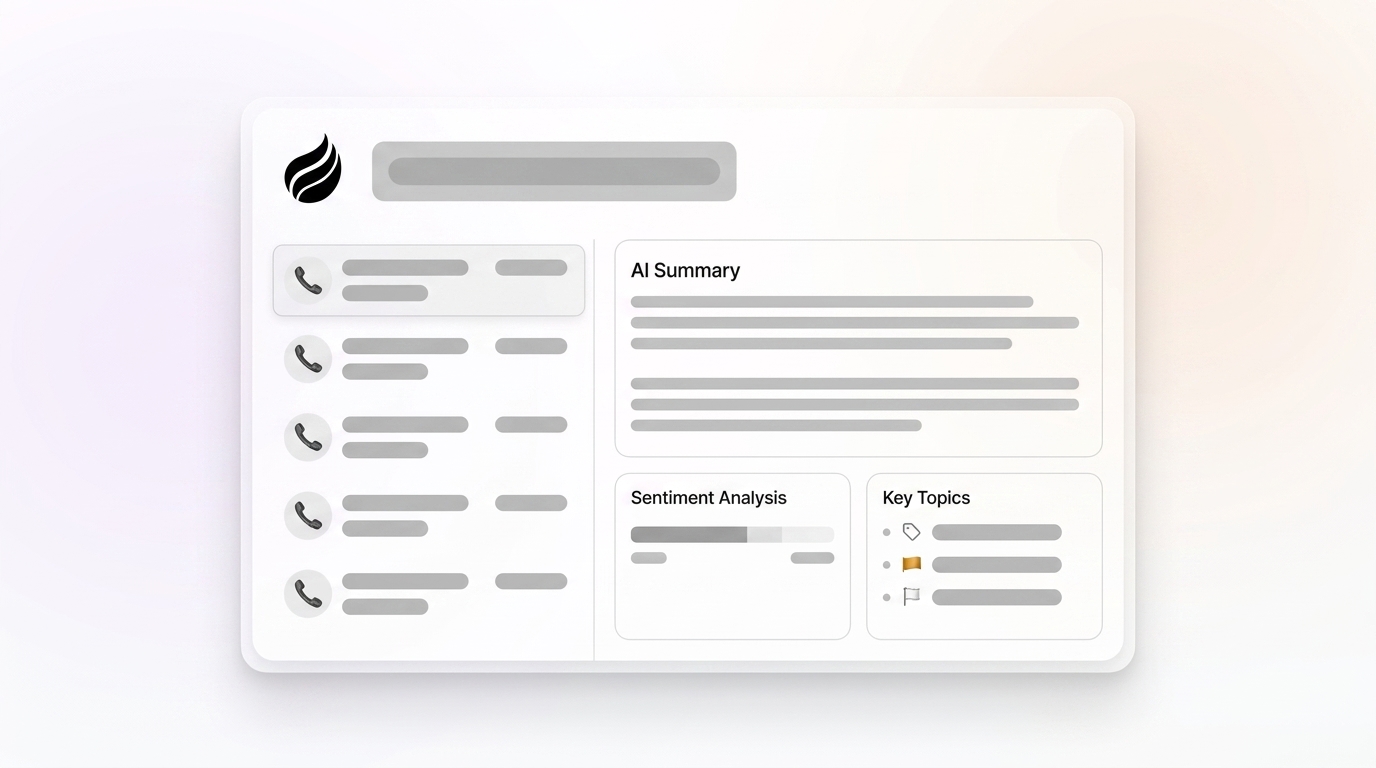
Conversation intelligence software uses artificial intelligence to record, transcribe, and analyze sales calls and meetings automatically. These platforms extract insights about buyer sentiment, objection patterns, talk tracks, and deal progression so teams can improve performance. Modern CI tools extend beyond recording to provide coaching recommendations, CRM automation, and predictive analytics that help sales teams close more deals.
How does Coffee integrate conversation intelligence with CRM systems?
Coffee’s autonomous agent captures meeting data and writes structured summaries, action items, and insights directly to Salesforce or HubSpot records. Unlike passive recording tools that depend on manual data entry, Coffee’s agent processes conversations in real time and updates CRM fields, creates tasks, and logs activities without human effort. This approach keeps data accurate and consistent across every sales interaction.
What is the typical ROI timeline for conversation intelligence?
Most organizations see initial productivity gains within 30 days of rollout, followed by measurable win rate improvements within 3-6 months. The fastest returns come from reduced administrative workload and more effective coaching, while longer-term benefits include higher quota attainment and lower sales rep turnover. Teams usually achieve full ROI within the first year as productivity and performance gains accumulate.
How secure is conversation intelligence data?
Leading conversation intelligence platforms follow enterprise-grade security standards such as SOC 2 Type 2 compliance, GDPR adherence, and encrypted data transmission. Coffee ensures that conversation data never trains public AI models and offers granular access controls for sensitive information. All recordings and transcripts are stored securely with audit trails to support compliance requirements.
How does Coffee compare to Gong for sales teams?
Gong focuses on post-call analysis and coaching insights, while Coffee’s autonomous agent approach removes the manual work that traditional CI tools still require. Coffee automatically updates CRM records, generates summaries, and orchestrates follow-up activities, whereas Gong primarily provides analysis that needs human action. Coffee’s dual-model strategy also lets teams choose between a standalone CRM and a companion app for existing systems.
What size sales teams benefit most from conversation intelligence?
Conversation intelligence supports teams of all sizes, but small to mid-market organizations with 10-200 employees often see the highest ROI. These companies need scalable coaching and consistent processes yet rarely have large sales operations teams. Automated conversation analysis and CRM management help them maintain data quality and performance consistency without adding headcount.
Conclusion: Move from Manual Selling to Autonomous Intelligence
Conversation intelligence tools shift sales organizations from manual operations to automated, data-driven performance improvement. The seven methods covered here, from enhanced coaching and productivity to deal insights, behavior replication, stronger qualification, CRM integration, and clear ROI, show how AI-powered conversation analysis upgrades sales effectiveness.
As teams evaluate conversation intelligence solutions for 2026, agent-led platforms like Coffee provide the most complete path to removing manual drudgery while maximizing performance gains. Transform your sales operations with Coffee to experience autonomous sales intelligence and drive measurable improvements in your team’s results.