Written by: Doug Camplejohn, CEO & Co-Founder, Coffee
Key Takeaways
-
SPICED fits SMB SaaS sales, using a flexible, customer-focused lens across Situation, Pain, Impact, Critical Event, and Decision.
-
MEDDIC fits enterprise deals, using structured qualification across Metrics, Economic Buyer, Decision Criteria, Process, Pain, and Champion.
-
Hybrid strategies that pair SPICED discovery with MEDDIC evaluation increase win rates by 37% in complex B2B environments.
-
AI automation removes 8–12 hours each week of manual data entry and keeps qualification consistent across every deal.
-
Strengthen your sales process with Coffee’s AI agent for automated SPICED and MEDDIC qualification.
SPICED for Modern SaaS Qualification
SPICED represents a modern evolution in sales qualification designed specifically for SaaS and subscription-based businesses. The framework consists of five core elements: Situation (gathering background and listening for emotional language), Pain (identifying specific frustrations), Impact (detailing where current solutions fall short), Critical Event (prospect’s deadline or critical meeting driving urgency), and Decision (mapping the decision-making process, involved parties, and evaluation criteria).
SPICED replaces shallow fit checks with deeper diagnosis, so reps connect concrete pains to measurable impact and focus on winnable clients. The framework also supports flexible sequencing, so sales teams can follow the natural flow of the conversation while still hitting consistent qualification standards. Coffee uses SPICED to structure meeting notes automatically, capturing emotional language and critical event triggers that human reps often miss during live conversations. See how Coffee captures SPICED elements automatically.

MEDDIC for Complex Enterprise Deals
While SPICED excels in consultative, customer-centric selling, many enterprise deals require a more rigorous qualification approach. MEDDIC serves as the gold standard for complex B2B sales qualification, particularly in enterprise environments with multiple stakeholders and extended sales cycles. The framework encompasses six critical components: Metrics (quantifiable business impact), Economic Buyer (budget authority), Decision Criteria (evaluation standards), Decision Process (approval workflow), Identify Pain (business challenges), and Champion (internal advocate). MEDDIC shines in high-value deals where structured qualification protects resources from unwinnable opportunities. Field sales teams rely on MEDDIC for high-touch accounts and confirm Metrics, Economic Buyer, Pain, and Champion before committing to repeat visits. The framework improves forecast accuracy and deal risk assessment through systematic stakeholder mapping. Coffee enhances MEDDIC qualification by spotting economic buyers through email signatures and org chart mapping, then tracking decision criteria across every touchpoint. Reduce manual MEDDIC data collection with Coffee.

SPICED vs MEDDIC: Side-by-Side Comparison Table
The following table highlights how SPICED and MEDDIC differ in structure, strengths, and ideal deal types so you can match each framework to your sales motion.
|
Framework |
Focus/Elements |
Strengths/Weaknesses |
Best Use Cases/ROI |
|---|---|---|---|
|
SPICED |
Situation, Pain, Impact, Critical Event, Decision |
Strengths: Customer-centric, flexible, quick implementation |
SMB SaaS, high-velocity sales, consultative selling |
|
MEDDIC |
Metrics, Economic Buyer, Decision Criteria, Decision Process, Identify Pain, Champion |
Strengths: Rigorous qualification, forecast accuracy |
Enterprise B2B, long sales cycles, multiple stakeholders |
The core difference between SPICED and MEDDIC sits in how each framework approaches buyer engagement. SPICED leans into empathy and consultative discovery, which fits relationship-driven SaaS sales where emotional context shapes solution positioning. MEDDIC leans into analytical rigor and systematic qualification, which fits enterprise environments where complexity demands structured evaluation. Sales teams achieve a 37% win rate increase when they apply structured frameworks like SPICED or MEDDIC consistently. Both frameworks outperform legacy BANT qualification, yet many teams still struggle to apply them reliably without automation. Coffee closes that gap by applying the right framework based on deal characteristics and ensuring every qualification step gets captured. Watch Coffee execute hybrid qualification in real time.
Choosing SPICED or MEDDIC in 2026
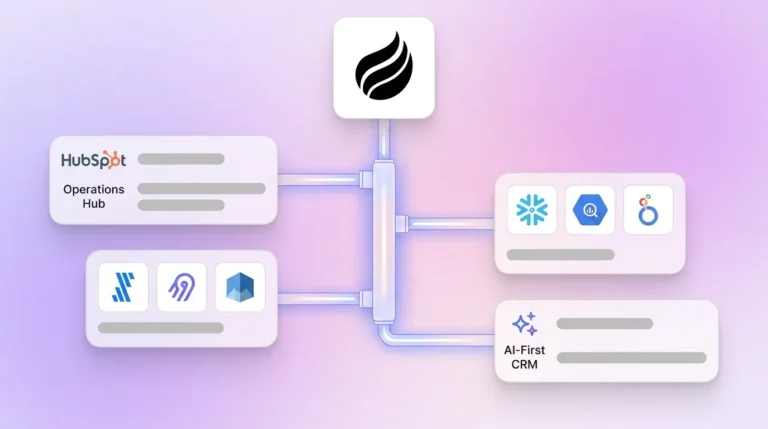
Framework selection in 2026 depends on three critical factors: deal complexity, sales cycle length, and organizational maturity. These factors work together to determine which framework fits your sales motion. SPICED dominates high-velocity SMB environments where rapid qualification and consultative selling drive revenue growth. Companies with average contract values under $50K and sales cycles shorter than 90 days benefit from the flexibility described earlier, because SPICED turns that consultative approach into faster qualification without sacrificing deal quality. At the opposite end of the spectrum, MEDDIC remains superior for mid-market and enterprise deals exceeding $100K ACV with multiple stakeholders and extended evaluation periods. Many B2B teams see the strongest results from a hybrid approach that uses SPICED for early discovery and MEDDIC for late-stage qualification. Coffee supports SPICED and MEDDIC by structuring notes according to each framework, while the Standalone CRM serves small companies and the Companion App connects directly to existing Salesforce or HubSpot instances. This automation saves hours each week and keeps qualification standards consistent across every pipeline. Explore Coffee for adaptive framework automation.
2026 Hybrids and AI Execution with Coffee
Rather than choosing between SPICED and MEDDIC, the most successful sales organizations in 2026 implement hybrid qualification strategies. These strategies combine SPICED’s consultative discovery with MEDDIC’s rigorous evaluation criteria. High-performing teams build layered models that use SPIN for initial discovery, Challenger principles to reframe thinking, and MEDDIC to qualify opportunities with clear guidance on application. Another common hybrid pattern uses light BANT at the top of the funnel for SDR fit checks while AEs apply SPICED for deep discovery, with leadership tracking both methodologies in reporting. Coffee supports these hybrid strategies through intelligent automation that adapts to the stage and stakeholder. The agent logs meeting summaries in SPICED format during discovery calls, then switches to MEDDIC structure when economic buyers join conversations. Pipeline Compare tracks qualification completeness across both frameworks and flags deals missing SPICED impact statements or MEDDIC champion identification. AI sales assistants save reps 30–40% of their time on CRM updates by automating framework application, and Coffee leads this shift with an agent that functions as both a standalone CRM and a Salesforce or HubSpot companion. See Coffee run hybrid qualification across your pipeline.
Implementation Templates and Automation Success
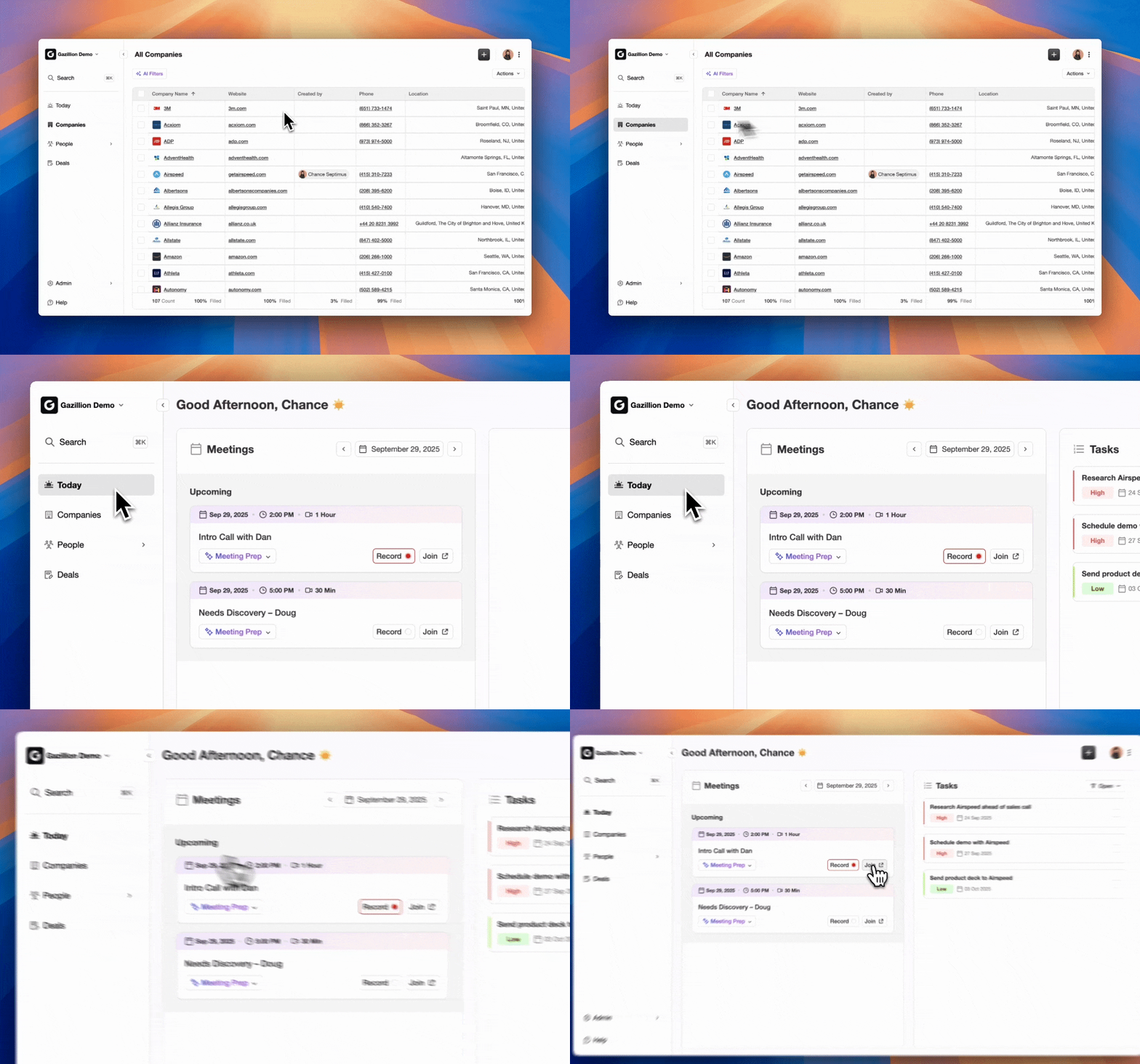
Sales professionals regularly report that manual framework implementation breaks down once they manage multiple deals at the same time. Reps try to remember every SPICED element during live discovery while also building rapport, which creates cognitive overload and weakens the conversation. A company generating tens of millions in revenue from custom AI solutions illustrates how automation solves this problem. The team rejected manual CRMs like Salesforce and HubSpot because of heavy data entry requirements and instead chose Coffee for automated contact creation from Google Workspace and actionable pipeline insights through the Compare feature. Coffee provides pre-built templates for SPICED and MEDDIC, including automated email prompts that guide discovery questions and post-meeting summaries that capture framework elements without manual input. The agent’s API access supports custom prompt scripting for tailored briefings while maintaining SOC 2 Type 2 security compliance. This mix of automation and customization removes the spreadsheet chaos that usually surrounds manual qualification. Access Coffee’s qualification templates and automated rollout.

FAQ: SPICED, MEDDIC, and Related Frameworks
What’s the difference between BANT vs MEDDIC vs SPICED?
BANT (Budget, Authority, Need, Timeline) represents a legacy approach that focuses on basic fit criteria, while MEDDIC and SPICED support modern complex B2B sales. MEDDIC delivers rigorous enterprise qualification through stakeholder mapping and metrics validation. SPICED focuses on consultative discovery and customer-centric qualification that fits SaaS environments. BANT still works for simple transactional sales under $15K, while MEDDIC and SPICED perform better in deals above $20K with multiple stakeholders and longer cycles.
How does MEDDPICC compare to SPICED?
MEDDPICC extends MEDDIC by adding Paper Process (legal and procurement requirements) and Competition analysis, creating an eight-element framework for highly complex enterprise sales. SPICED keeps five focused elements that prioritize emotional connection and consultative selling. MEDDPICC fits deals with extensive legal review and heavy competitive pressure, while SPICED fits relationship-driven SaaS sales where deep understanding of customer pain shapes solution design.
Which framework works best for Salesforce teams?
Both SPICED and MEDDIC work well with Salesforce, and success depends more on automation than on the specific framework. Manual data entry creates adoption issues regardless of methodology. Coffee’s Companion App addresses this by populating Salesforce automatically with structured qualification data from either framework and removing the manual field updates that usually drag down CRM usage.
What does SPICED mean in sales?
SPICED stands for Situation, Pain, Impact, Critical Event, and Decision, a modern qualification framework built for consultative B2B selling. Each element shapes discovery conversations: Situation sets context, Pain surfaces challenges, Impact quantifies consequences, Critical Event creates urgency, and Decision maps the approval process. The framework favors emotional understanding and business impact over narrow budget and authority checks.
Should I use MEDDIC vs SPICED in 2026?
Framework selection in 2026 depends on deal characteristics rather than a single universal winner. SPICED fits high-velocity SaaS sales under $100K ACV with shorter cycles. MEDDIC fits complex enterprise deals above $100K with multiple stakeholders. The strongest approach combines both frameworks through AI that applies the right methodology based on deal context and removes manual implementation work while keeping qualification standards consistent.
Conclusion: Let AI Handle the Frameworks
The SPICED vs MEDDIC debate often hides the real challenge for 2026 sales teams, which is manual qualification that drains productivity and weakens conversations. Coffee addresses this by applying both frameworks automatically based on deal characteristics and capturing qualification data from emails, calendars, and meeting transcripts without human effort. Whether your team leans on SPICED for consultative SaaS selling or MEDDIC for enterprise rigor, Coffee keeps implementation consistent and returns 8–12 hours per week to your reps. Transform your qualification process with Coffee’s intelligent automation.