Written by: Doug Camplejohn, CEO & Co-Founder, Coffee
Key Takeaways
-
Enterprise deals often fail when the Paper Process is undocumented, adding 4-12 weeks from procurement and security reviews.
-
The Paper Process in MEDDPICC covers legal reviews, procurement gates, security audits, and approvals between verbal agreement and signature.
-
Seven core steps keep deals moving: map stakeholders, map timelines, use probing questions, build tracking systems, flag risks, link to the decision process, and review weekly.
-
Structured templates such as milestone tables and MEDDPICC checklists keep documentation consistent across every enterprise deal.
-
Automation with Coffee’s autonomous CRM Agent removes manual entry and supports accurate forecasting in Salesforce or HubSpot.
How MEDDPICC Defines the Paper Process
The Paper Process represents the “P” in MEDDPICC and covers legal, procurement, and contracting steps required to finalize enterprise deals. This component includes contracts, purchase orders, legal reviews, and multi-entity approvals that sit between verbal agreement and final signature.
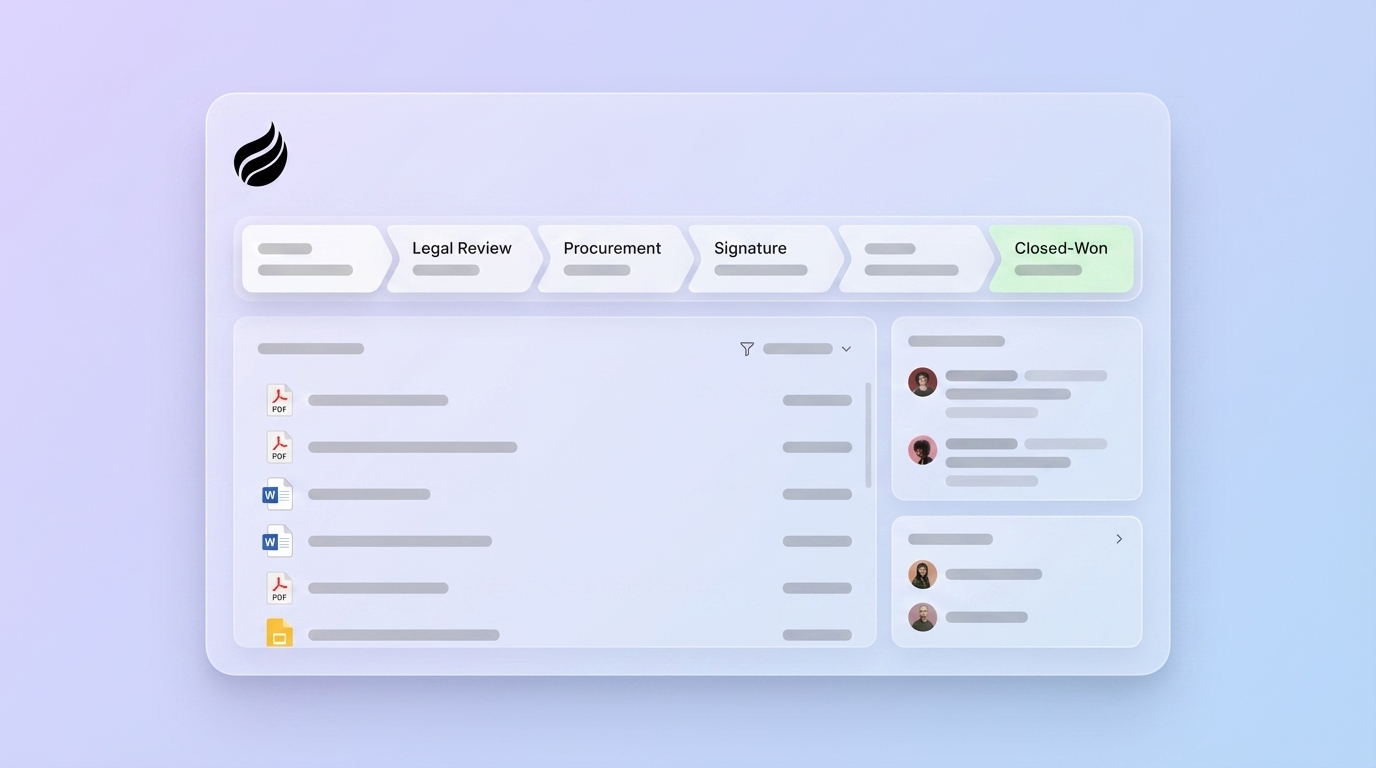
Enterprise Paper Process work often includes PO freezes, procurement gates, security reviews, and Go-Live coordination. The Paper Process includes legal review (redline cycles, liability clauses), procurement (vendor onboarding, PO creation), security review (SOC 2 audits, penetration testing), and compliance (HIPAA, GDPR, SOX).
MEDDPICC extends the original MEDDIC framework by adding Paper Process and Competition elements. MEDDPICC extends the MEDDIC framework with Paper Process, which acknowledges contract-signing challenges like security reviews, and Competition, which fits enterprise B2B SaaS deals over $50,000 with cycles longer than six months.
Let Coffee’s Agent handle your Paper Process documentation automatically, so you can retire manual tracking spreadsheets.
Key Steps to Document MEDDPICC Paper Process
Complex legal reviews, procurement gates, and multi-stakeholder approvals make systematic documentation essential for preventing stalled deals. Systematic Paper Process documentation requires structured stakeholder mapping and milestone tracking. Follow these seven steps to capture comprehensive deal progression data.
1. Identify All Stakeholders
Map legal, procurement, finance, and IT contacts through your champion. Enterprise sales often involve 7–10 stakeholders in purchasing decisions, along with extensive paperwork, security, and legal complexity.

2. Map Timelines and Milestones
Document the workflow from contract draft to signature, which typically spans 4-12 weeks. Deals in the $100-250K range typically close in 3-6 months, $500K+ deals average 6-12 months, and seven-figure contracts can stretch to 18+ months.
3. Deploy Strategic Probing Questions
Use targeted questions to uncover process details. Ask “What does your procurement process look like?” and “Are there specific contract terms that are non-negotiable?” Clarify “How long does legal review typically take?” and “Are additional certifications required for approval?”

4. Build Collaborative Tracking Systems
Once you map stakeholders and timelines, create a central system where everyone can track progress in real time. Use shared Google Sheets or CRM fields that give procurement, legal, and your internal team simultaneous visibility into milestone completion. This shared view prevents “I did not know we were waiting on that” delays that extend cycles by weeks.
5. Identify Bottlenecks and Risk Factors
Flag likely delays early, such as security reviews, budget freezes, or multi-entity legal requirements. Capture these risks in your CRM so leaders can intervene before close dates slip.
6. Link to Decision Process and Go-Live
Connect Paper Process milestones to the broader MEDDPICC Decision Process and to implementation timelines. Align contract dates with Go-Live plans so technical and commercial teams stay coordinated.
7. Establish Weekly Review Cadence
Schedule weekly check-ins to monitor progress and adjust timelines as new requirements surface. Use these reviews to confirm stakeholder ownership, current blockers, and next steps.
MEDDPICC Paper Process Template for Enterprise Deals
Structured documentation templates ensure consistent data capture across enterprise deals. The table below shows a typical 12-week Paper Process timeline and highlights how security reviews, legal negotiations, and procurement approvals often overlap and create dependencies that can extend your close date.
|
Milestone |
Owner |
Timeline |
Status/Risks |
|---|---|---|---|
|
RFI/Security Questionnaire |
IT/Security Team |
Week 1-2 |
In Progress |
|
Legal Review/Redlines |
Legal Counsel |
Week 2-4 |
Pending |
|
PO Approval |
Procurement |
Week 4-6 |
Budget Confirmed |
|
Contract Signature |
Economic Buyer |
Week 6-8 |
Awaiting Legal |
|
Go-Live Coordination |
Implementation Team |
Week 8-12 |
Not Started |
MEDDPICC Sales Checklist:
This checklist shows how Paper Process status fits with other MEDDPICC elements in a single deal view. Notice how the “Paper Process” row flags legal review as the current bottleneck, even though Metrics, Economic Buyer, and Decision Criteria are fully documented.
|
Element |
Status |
Notes |
|---|---|---|
|
Metrics |
✓ Documented |
25% cost reduction target |
|
Economic Buyer |
✓ Identified |
CFO confirmed budget authority |
|
Decision Criteria |
✓ Mapped |
Security, integration, ROI |
|
Paper Process |
⚠ In Progress |
Legal review pending |
Download this template and customize fields based on your organization’s specific Paper Process requirements. Coffee’s Agent can auto-populate these fields from your meeting transcripts and email threads, so you can see how it works in your own pipeline.
Automate Documentation with Coffee CRM Agent
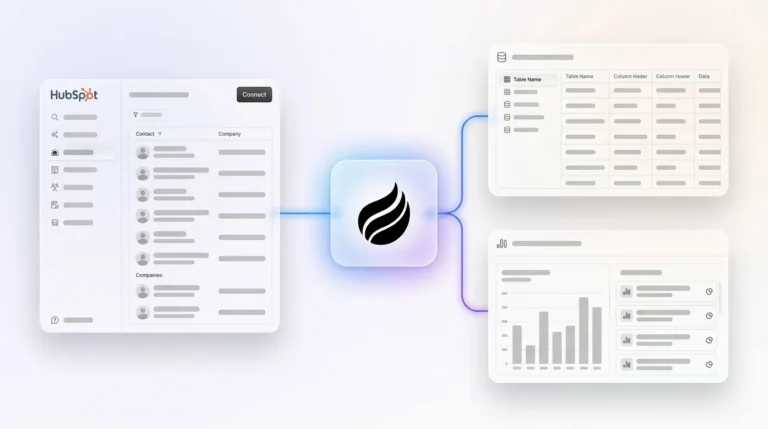
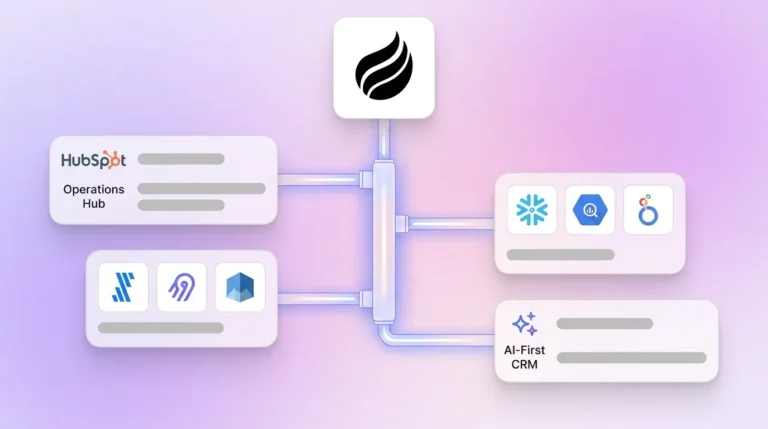
Coffee’s autonomous Agent removes manual data entry by auto-capturing stakeholder intelligence from emails and calls, then logging structured data directly in Salesforce and HubSpot as a Companion App. The Meeting Bot transcribes stakeholder conversations, enriches timeline data, and structures information according to sales methodologies such as MEDDIC.

The Agent’s Pipeline Compare feature tracks pipeline changes and provides insights using accurate data. This accuracy matters most when procurement sends security questionnaires or legal requests contract modifications, events that Coffee captures through automatic activity logging. The Agent then unifies these events with your existing deal context, which maintains a complete Paper Process timeline without manual updates. This ground-truth data synchronization works as both a Standalone CRM for small teams and a Companion App for existing Salesforce or HubSpot instances.
Unlike legacy CRM systems that rely on manual data entry, Coffee’s Agent proactively handles data entry and orchestration. AI sales co-workers can detect sales qualification gaps, flagging scenarios like a €200k deal with no documented economic buyer or identified champion four weeks in. Coffee maintains SOC 2 Type 2 compliance while keeping your CRM data current and actionable.
Traditional CRMs force reps to serve the software through constant manual updates. Coffee reverses this relationship, with the Agent serving reps by handling documentation busywork automatically. See how Coffee’s Agent turns your Paper Process from a forecasting blind spot into a competitive advantage.
Common Pitfalls and Best Practices
Paper Process documentation failures usually come from three critical errors. Teams rely on manual tracking that creates data gaps, ignore post-signature implementation requirements, and fail to multi-thread across stakeholder groups. 28% of deals fail due to inability to secure internal approval, often because sales teams underestimate procurement complexity.
Stronger practices include weekly Coffee insights reviews to monitor Paper Process progression and keep champion alignment through legal and procurement phases. Teams also share security documentation proactively before requests arrive. MEDDPICC’s broader scope covers more stakeholder complexity than MEDDIC’s original six-element framework, which makes it a better fit for modern enterprise sales environments.
Conclusion
Thorough Paper Process documentation turns enterprise deal forecasting from guesswork into predictable revenue generation. Structured MEDDPICC tracking, combined with Coffee’s autonomous Agent for real-time updates, removes the manual bottlenecks that cause deal stalls and missed quotas.
Hire Coffee’s Agent today to eliminate Paper Process bottlenecks.
FAQ
What is MEDDPICC sales checklist?
The MEDDPICC sales checklist includes eight qualification elements: Metrics (quantifiable business outcomes), Economic Buyer (budget authority), Decision Criteria (evaluation standards), Decision Process (approval steps), Paper Process (legal and procurement workflow), Identify Pain (critical challenges), Champion (internal advocate), and Competition (alternative solutions). This framework helps sales teams qualify enterprise opportunities systematically and forecast deal progression accurately.
MEDDPICC vs MEDDIC?
As noted earlier, MEDDPICC adds two elements to MEDDIC’s original six. The key difference is practical. MEDDIC works for many mid-market deals, while MEDDPICC’s Paper Process and Competition components address the procurement complexity and competitive dynamics of enterprise sales over $100K.
What is the paper process in MEDDPICC?
The Paper Process covers all steps between verbal agreement and contract signature, including the legal reviews, procurement workflows, and compliance certifications described in the main section above. Proper Paper Process documentation helps sales teams anticipate delays and maintain accurate close date forecasting.
How does Coffee handle Paper Process?
Coffee’s autonomous Agent captures intelligence from emails, calls, and calendar events, then structures this data within Salesforce or HubSpot CRM fields as a Companion App for small to mid-market teams. The Agent identifies stakeholders through data enrichment, tracks activities, and maintains historical context for accurate pipeline insights. This removes manual data entry while preserving comprehensive visibility across sales deals.
Is MEDDPICC a sales methodology?
Yes, MEDDPICC is a comprehensive sales qualification methodology designed for complex enterprise deals that involve multiple stakeholders, extended sales cycles, and formal procurement processes. Originally developed at Parametric Technology Corporation in the 1990s, MEDDPICC provides a structured framework for qualifying opportunities, mapping decision processes, and forecasting deal outcomes in B2B enterprise sales environments.