Written by: Doug Camplejohn, CEO & Co-Founder, Coffee
Key Takeaways
- Sales reps lose about 70% of their time to admin tasks. AI agents like Coffee cut this to under 30%, reclaiming 8-12 hours weekly for selling.
- Use a no-touch CRM agent to handle contact creation, data entry, and activity logging directly from emails and calendars.
- Apply the 3-3-3 rule (3 meetings per day, 3 dials per hour, 3 hours selling) with AI tracking to support 1.7x higher quota attainment.
- Automate meeting prep and follow-up with AI briefings, transcriptions, summaries, and follow-ups to reduce after-call work by 20-40%.
- Get started with Coffee today to unify your sales stack, build prioritized lists, and gain pipeline intelligence for elite performance.
7 Ways Top Sales Reps Work Smarter with Less Admin
1. Turn Your CRM into a No-Touch Sales Agent
Traditional CRMs like Salesforce and HubSpot act as passive databases that demand constant human input. 71% of sales reps report spending too much time on data entry, which creates a productivity bottleneck and blocks selling time.
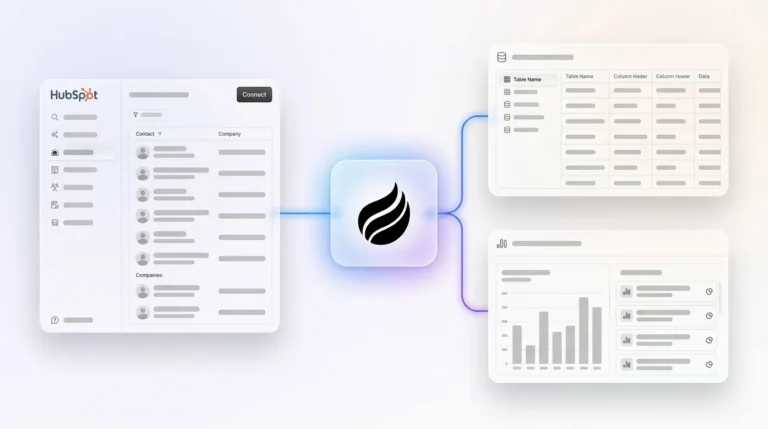
Coffee’s agent removes this friction by automatically creating and enriching contacts from emails and calendars. The system scans Google Workspace or Microsoft 365, fills CRM records with accurate data, and logs all activities without human effort. This automation saves 8-12 hours weekly compared to manual Salesforce workflows.
3-Step Implementation:
- Connect Coffee to your Google Workspace or Microsoft 365 account
- Allow the agent to scan emails and calendar for contact creation
- Review automated insights and enriched data flowing into your CRM
Pro Tip: Coffee’s instant setup requires no technical configuration. The agent starts working right after authentication, unlike complex CRM implementations that drag on for weeks.
2. Lock In the 3-3-3 Rule with AI Accountability
The 3-3-3 rule sets a clear standard for daily sales activity: 3 meetings per day, 3 dials per hour during prospecting blocks, and 3 hours of pure selling time. Top performers achieve 1.7x higher quota attainment by keeping these activity levels consistent through structured enforcement.
Coffee’s agent tracks these metrics automatically by monitoring your meeting schedule, call volumes, and selling time allocation throughout the day. When you fall below target thresholds, the system sends real-time alerts so you can adjust before the day ends. Each morning, you receive a briefing on the “Today” page that shows your status against 3-3-3 targets, creating AI-powered accountability without manual tracking.
3-Step Implementation:
- Configure 3-3-3 targets within Coffee’s activity tracking
- Use the agent’s “Today” page for daily activity briefings and prioritization
- Review weekly performance reports to spot specific improvement opportunities
Pro Tip: Coffee’s “Today” page learns your business context over time and adjusts recommendations, so the 3-3-3 rule becomes more tailored and effective each week.
3. Let an AI Assistant Run Your Sales Meetings
Meeting preparation and follow-up eat a large share of a rep’s day. Coffee’s agent acts like a pre- and post-meeting executive assistant, preparing briefings with attendee context and then generating summaries, action items, and follow-up emails automatically.

The system joins Zoom, Teams, or Google Meet calls to record and transcribe conversations. Post-meeting automation reduces after-call work by 20-40%, which frees more time for live selling.

3-Step Implementation:
- Link Coffee to your Zoom, Teams, or Google Meet calendar
- Allow the agent to join calls for automatic recording and transcription
- Review and send AI-generated follow-up emails directly from Gmail
Pro Tip: Coffee’s Custom Meeting Briefings and Summaries feature supports different formats for each meeting type, from short executive recaps to detailed technical notes.

4. Replace a Fragmented Stack with One Agent Hub
Most sales teams jump between 4-6 disconnected systems such as HubSpot for records, ZoomInfo for data, SalesLoft for outreach, and Gong for call intelligence. This tool sprawl creates inefficiency and data silos that block a full account view.
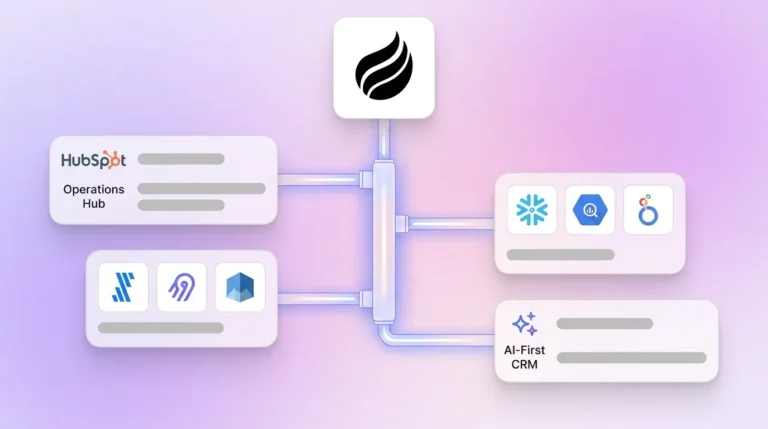
Coffee brings these functions into a single agent-powered platform. The system connects with existing tools through Zapier and builds a unified view of all prospect interactions. This consolidation reduces tool sprawl, improves data accuracy, and simplifies daily workflows.
3-Step Implementation:
- Authenticate your existing sales tools inside Coffee’s integration hub
- Allow the agent to merge data streams into a single account view
- Access consolidated insights through Coffee’s unified dashboard
Start consolidating your stack with Coffee to eliminate tool switching and create a streamlined sales workflow that saves hours every day.
5. Protect Focused Selling Blocks with Pipeline Intelligence
Elite sales reps protect selling time through ruthless time-blocking. They reserve uninterrupted calendar blocks for customer-facing work and prevent internal meetings from invading these hours. Top-performing teams spend 20-25% more time with customers by automating admin work and using predictive tools to guide their focus.
Coffee’s “Compare” feature supports this focus by visualizing week-over-week pipeline changes without spreadsheets, so you see what is moving and what is stuck at a glance. Because the agent tracks deal progression, flags stalled opportunities, and highlights new additions automatically, you walk into pipeline reviews already knowing the story behind the numbers. This intelligence turns pipeline reviews from interrogation sessions into strategic conversations about how to move deals faster.
3-Step Implementation:
- Set protected selling blocks in your calendar using Coffee’s time-blocking guidance
- Use the agent’s automatic pipeline tracking to monitor deal flow between those blocks
- Review Coffee’s “Compare” visualizations each week for clear pipeline insights
Pro Tip: Coffee’s data warehouse preserves historical context that traditional CRMs lose when fields change, which supports more accurate trend analysis and forecasting.
6. Build and Prioritize Prospect Lists with AI
Manual prospect research can take 1-3 hours per account and up to 20 hours weekly for reps with large territories. Coffee’s agent removes this bottleneck through natural language list building and automated prioritization.

Sales reps can say or type: “Find VPs of Sales at $10M+ funded companies using Salesforce in North America.” The agent runs this query, enriches the results with relevant data, and ranks prospects based on buying signals and ICP fit. Coffee’s Stripe integration also imports customer data for sharper targeting.

3-Step Implementation:
- Use natural language queries to describe your ideal prospect criteria
- Allow Coffee’s agent to build and enrich prospect lists automatically
- Prioritize outreach using AI-generated buying signals and engagement scores
Pro Tip: Coffee’s List Builder uses integrated enrichment with real-time company funding and technology stack data, which supports precise targeting.
7. Hand Off Data Work so Your CRM Becomes an Advisor
The principle “good data in, good data out” drives accurate forecasting and strong strategic decisions. Legacy CRMs fall short because they depend on inconsistent human data entry. Coffee’s agent protects data quality by ingesting and structuring information from emails, calendars, and call transcripts automatically.
The system’s AI search functionality answers natural language questions such as “Which deals are stuck in negotiation?” and “What is closing this month?” This capability turns the CRM from a static data store into an intelligent advisor that supports daily decisions.
3-Step Implementation:
- Allow Coffee’s agent to ingest data from all communication channels
- Let the system structure and enrich information automatically
- Use AI search to query your pipeline and receive instant insights
Pro Tip: Coffee’s data warehouse architecture preserves complete interaction history, which enables advanced analysis that traditional relational CRMs cannot match.
Conclusion: Turn Admin Time into Selling Time
These seven strategies show how top sales reps use AI agents to cut administrative time from roughly 70% of their week to under 30%. Coffee’s no-touch automation handles data entry, meeting orchestration, and pipeline intelligence, reclaiming the hours discussed earlier for revenue-generating work. High-performing reps achieve the quota attainment advantage mentioned earlier by focusing on selling instead of administrative busywork.
The competitive edge now belongs to sales teams that adopt agent-powered workflows. While competitors wrestle with manual CRM maintenance and scattered tools, Coffee users gain unified intelligence and automated execution that compounds over time.
Get started with Coffee today to hire the world’s best CRM Agent and transform your sales productivity.
FAQ
What is the 3-3-3 rule in sales?
The 3-3-3 rule defines a clear target for daily sales activity: 3 meetings per day, 3 dials per hour during prospecting blocks, and 3 hours dedicated to pure selling. Coffee’s agent enforces these metrics automatically through daily briefings and activity tracking, which helps reps maintain consistent performance levels that align with higher quota attainment.
How much time do sales reps spend on admin?
As noted earlier, the vast majority of a sales rep’s time goes to administrative tasks such as data entry, CRM updates, and internal meetings, which leaves only 28-35% for actual selling activities. Coffee’s AI agent reduces this administrative load to under 30% by automating data entry, meeting summaries, and pipeline management work.
What is the best AI for sales automation?
Coffee stands out as a leading AI sales automation solution because it behaves like a true no-touch agent instead of passive software. Unlike traditional CRMs that demand manual data entry, Coffee automatically handles contact creation, meeting orchestration, and pipeline intelligence, saving sales teams significant weekly hours while improving data accuracy and forecast reliability.
How can sales teams reduce tool sprawl?
Coffee consolidates multiple sales tools into a single agent-powered platform, so teams no longer need to switch between separate systems for CRM management, data enrichment, call recording, and pipeline analysis. The agent unifies data streams from existing tools via Zapier, creating a comprehensive view of all prospect interactions while reducing complexity and cost.
What makes Coffee different from traditional CRMs?
Traditional CRMs like Salesforce and HubSpot act as passive databases that require constant human maintenance. Coffee operates as an active agent that captures, enriches, and analyzes sales data automatically. This shift turns the CRM from a productivity drain into an intelligent assistant that directly supports selling effectiveness.