Key Takeaways
- Technographic data maps companies’ tech stacks, such as Salesforce or Marketo, so you can refine ICPs and run precise B2B prospecting.
- Using technographics shortens sales cycles, lifts conversion rates from 2–3% to 5–8%, and surfaces competitive displacement opportunities.
- A practical 6-step workflow covers ICP definition, data sourcing, list building, CRM enrichment, personalized outreach, and engagement tracking.
- Coffee’s AI agent automates technographic enrichment, list building, and CRM sync, which outperforms manual tools like ZoomInfo or Apollo.
- You can transform prospecting with Coffee’s automated intelligence by getting started today.
Why Technographic Data Supercharges Prospecting Results
Technographic data refines ideal customer profiles by adding technology-stack details to firmographic filters like industry, revenue, and headcount. This precision targeting lets sales teams focus on accounts whose technology needs align with their solution, which reduces sales cycles and improves conversion rates. In practice, this data supports three critical prospecting advantages: competitive displacement opportunities, integration compatibility targeting, and technology gap identification.
The business impact is substantial. Teams using tight ICPs built on firmographic and technographic filters plus intent signals significantly outperform the 2–3% average cold-prospecting conversion rates, with top performers reaching 5–8%. Coffee’s List Builder and Visitor ID features automatically enrich prospect data with technographic signals, which removes the fragmented tooling that slows most sales teams.
What Technographic Data Includes: Core Signals and Examples
Technographic data shows which software, platforms, and technology stacks companies use across their operations. Common examples include CRM platforms like Salesforce or HubSpot, marketing automation tools like Marketo or Pardot, cloud infrastructure like AWS or Azure, and analytics platforms like Google Analytics or Adobe Analytics.
| Data Type | Focus | Prospecting Use | Example |
|---|---|---|---|
| Technographic | Technology stack | Solution fit, competitive displacement | Uses Salesforce CRM |
| Firmographic | Company characteristics | ICP matching, territory planning | $10M revenue, 200 employees |
| Demographic | Individual attributes | Contact personalization | VP Sales, 5 years experience |
Effective technographic targeting might use a filter such as “VPs of Sales at $10M+ funded companies using HubSpot but lacking sales intelligence tools.” This level of precision highlights prospects with budget authority and a clear technology gap your solution can address.
Step-by-Step Workflow for Technographic Prospecting
Step 1: Define Your Technographic ICP
Start by analyzing your best customers’ technology stacks to uncover patterns. Look for common CRM platforms, marketing tools, cloud providers, and integration points that appear repeatedly. Coffee’s Intelligence layer lets you define and store deep context on business model, product specifics, ICP, and competitors for tailored AI suggestions.
Step 2: Source Technographic Data
Select data providers based on coverage, accuracy, and refresh rates. B2B data enrichment processes that focus on technographic signals vary significantly between providers, so confirm whether your chosen tool offers real-time updates or slower batch refreshes, because freshness directly affects the relevance of your outreach in later steps.
Step 3: Build Targeted Lists
Use Coffee’s List Builder to create queries such as “North America VPs of Sales at Salesforce-using companies, $10M+ funding, recently hired sales development reps.” The AI agent then enriches these lists with contact details, company information, and technographic context, which gives reps a complete view of each account.

Step 4: Enrich and Unify in CRM
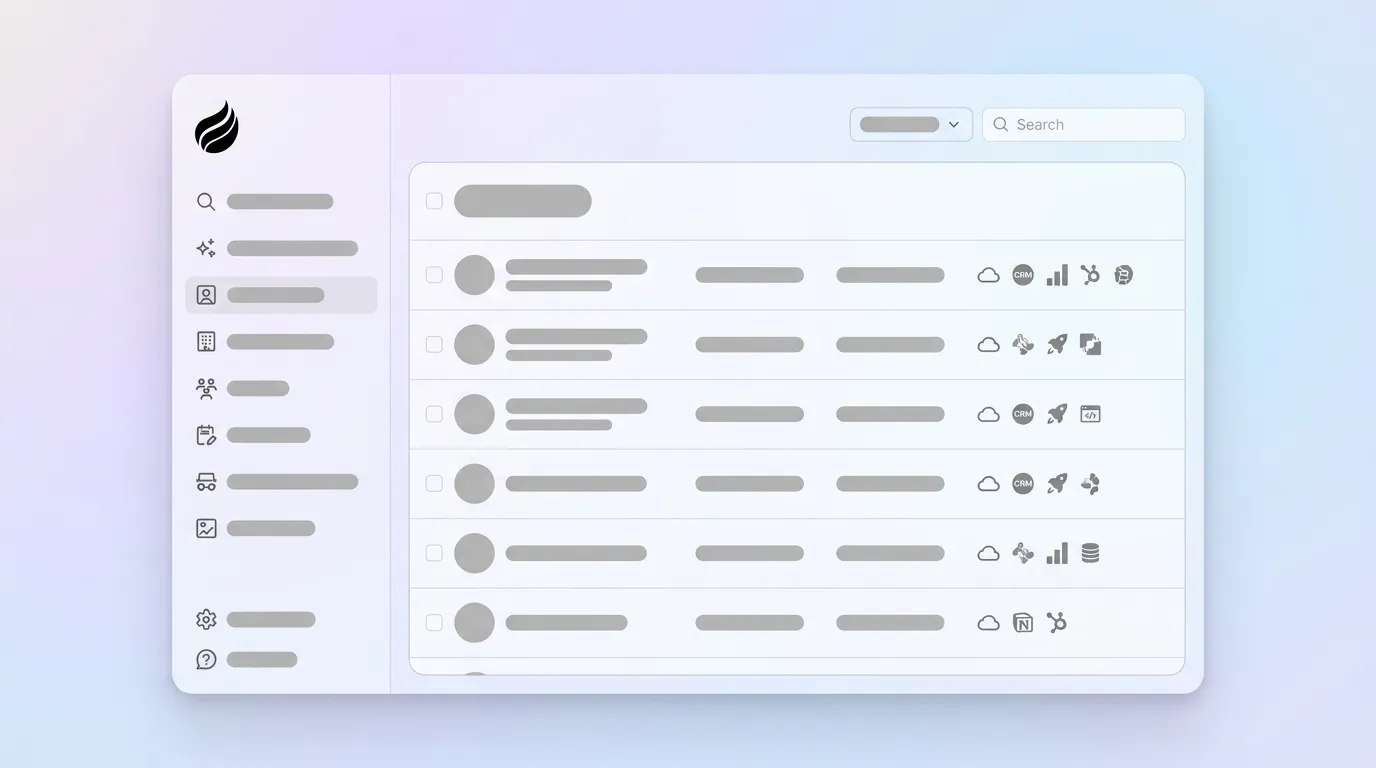
Coffee automatically creates contacts and companies in your CRM, whether you use the standalone platform or the Companion app for Salesforce or HubSpot. The agent handles data entry and keeps records consistent and enriched, so your team works from a single, reliable system of record.
Step 5: Personalize Outreach
Reference specific technologies in your messaging, for example, “I noticed your team uses Outreach for sequences and Salesforce for CRM.” This stack-specific personalization increases relevance and usually lifts response rates, because prospects see that you understand their environment.
Step 6: Track and Improve Performance
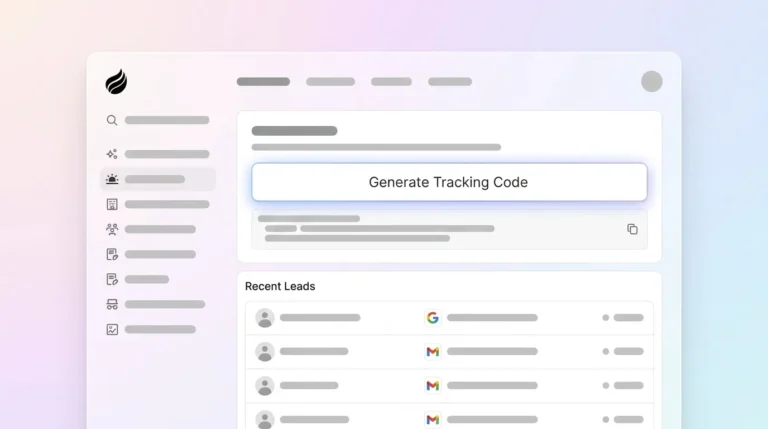
Track engagement with Coffee’s Visitor ID feature, which identifies anonymous website visitors and suggests specific contacts within visiting companies based on your buyer persona. This capability closes the loop from initial outreach to website engagement and helps you prioritize follow-up.
Common mistakes include ignoring technology maturity levels and focusing only on current tools without considering adoption timelines. Get started with Coffee for technographic prospecting to automate this entire workflow.
Top Technographic Prospecting Platforms in 2026
Coffee leads the market as the only AI agent that combines technographic data sourcing, list building, and CRM automation in a single platform. Manual tools depend on constant data entry from reps, while Coffee’s agent manages the entire “good data in” process automatically.
| Tool | Automation Level | CRM Integration | Data Refresh |
|---|---|---|---|
| Coffee | Full AI agent | Native + Companion | Real-time |
| ZoomInfo | Manual workflows | API integration | Monthly |
| Apollo | Semi-automated | Sync required | Weekly |
| BuiltWith | Manual export | No native sync | Quarterly |
Coffee includes technographic data enrichment as part of its core platform, so teams avoid separate data subscriptions and time-consuming manual list building.
Why Coffee Excels as a CRM for Technographic Prospecting
Coffee’s AI agent turns technographic prospecting from a manual, fragmented process into a streamlined automated workflow. The agent continuously monitors your ideal customer profile criteria and builds fresh prospect lists using natural language commands such as “Find me VPs of Sales in North America at companies with $10M+ funding using Salesforce.”

Key differentiators include the Visitor ID capability described earlier, which identifies anonymous website traffic and suggests specific contacts within visiting companies based on technographic fit. The Companion app runs on top of existing Salesforce or HubSpot instances, so the agent feeds accurate, enriched data into your current system of record.
A case study from an AI solutions company showed that Coffee’s agent doubled lead quality by enriching prospect lists with technographic data and removing manual research. The team improved targeting precision and cut administrative work from 12 hours to under 2 hours per week.
Coffee addresses common objections with SOC 2 Type 2 compliance for security, Zapier integrations for workflow connectivity, and transparent pricing that includes unlimited agent labor. Get started with Coffee to deploy an AI agent that manages technographic prospecting automatically.
Validation, Scaling, and 2026 Technographic Trends
Teams using Coffee’s automated technographic prospecting save 8–12 hours per week on manual research and data entry. This efficiency gain reflects a broader pattern, because organizations that deploy revenue-operations frameworks unified by sales intelligence stacks often grow faster and achieve higher profitability than teams using fragmented tools.
The 2026 shift toward agentic AI is reshaping B2B prospecting. AI copilots have evolved from research assistants to autonomous executors that pull technographic data such as tech stacks, firmographic data, company news, and organizational changes before sales calls. Coffee’s agent fits this trend by acting as a true AI engine for CRM automation.
FAQ
What is an example of technographic data?
Technographic data covers any technology a company uses in its operations. Common examples include CRM platforms like Salesforce or HubSpot, marketing automation tools like Marketo, cloud infrastructure like AWS, analytics platforms like Google Analytics, and communication tools like Slack or Microsoft Teams. This information helps sales teams understand a prospect’s technical environment and spot integration opportunities or competitive displacement scenarios.
Is there free technographic data for prospecting?
Coffee includes technographic data enrichment as part of its core platform without extra fees. Some providers offer limited free tiers, but comprehensive technographic coverage usually requires paid subscriptions. Coffee’s approach removes the need for separate data purchases by building enrichment directly into the AI agent’s workflow, which delivers better value than fragmented free tools.
How does Coffee compare to ZoomInfo for technographic prospecting?
Coffee operates as an autonomous AI agent that builds and enriches prospect lists, while ZoomInfo functions as a manual database that depends on human operators. Coffee’s agent manages the workflow from list building through CRM sync, whereas ZoomInfo often requires separate tools for sequencing, enrichment, and data entry. As described earlier, Coffee’s Visitor ID capability also identifies specific contacts within visiting companies, not just company-level data.
What is the difference between technographic data and firmographic data?
Technographic data describes the technologies companies use, such as their CRM, marketing tools, or cloud infrastructure. Firmographic data describes company characteristics, such as industry, revenue, employee count, and location. Technographic data guides how you should approach an account, while firmographic data confirms whether the account matches your ICP. Both data types matter for effective B2B prospecting, but technographics reveal deeper insights into solution fit and competitive positioning.
What is the best CRM for prospecting with technographics?
Coffee is purpose-built for technographic prospecting, with its AI agent handling automatic data enrichment, list building, and CRM sync. Legacy CRMs rely on manual data entry, while Coffee’s agent keeps high-quality data flowing into the system automatically. The platform works as either a standalone CRM or a Companion app for existing Salesforce or HubSpot instances, which gives teams flexible options for automated technographic prospecting.
Conclusion
Technographic data improves B2B prospecting by enabling precise targeting, competitive displacement, and personalized outreach based on real technology stacks. The step-by-step process, from ICP definition through automated enrichment and CRM sync, becomes far easier when Coffee’s AI agent handles the manual work. Get started with Coffee to deploy autonomous technographic prospecting that delivers higher-quality leads without extra administrative overhead.