Written by: Doug Camplejohn, CEO & Co-Founder, Coffee | Last updated: July 18, 2026
Key Takeaways for Automating Sales Reminders and Follow-Ups
Manual reminders and follow-ups cause B2B sales teams to lose 20–30% of booked meetings before they happen.
AI agents that connect email, calendar, and CRM can automate the entire reminder and follow-up sequence without rep intervention.
A three-touch reminder sequence (immediate confirmation, 24-hour, and 1-hour) combined with post-meeting automation significantly reduces no-shows and follow-up delays.
Automated extraction of action items, drafting of follow-ups, and pipeline updates keep CRM data accurate and accelerate deal velocity.
The follow-up problem is equally severe. Sales reps often take a long time to send follow-up emails after a meeting, yet a Harvard Business Review study found that responding within one hour makes a seller seven times more likely to have a meaningful next conversation and nearly half of deals stall due to poor follow-up execution. Meanwhile, 71% of sales reps say they spend too much time on data entry, which leaves little capacity for the strategic work that actually closes deals.
To solve these problems with automation, your tech stack needs three foundational elements in place. Before implementing the workflow below, confirm these readiness requirements:
Google Workspace or Microsoft 365 account connected to your sales tooling
A calendar that can be read and written by an external agent
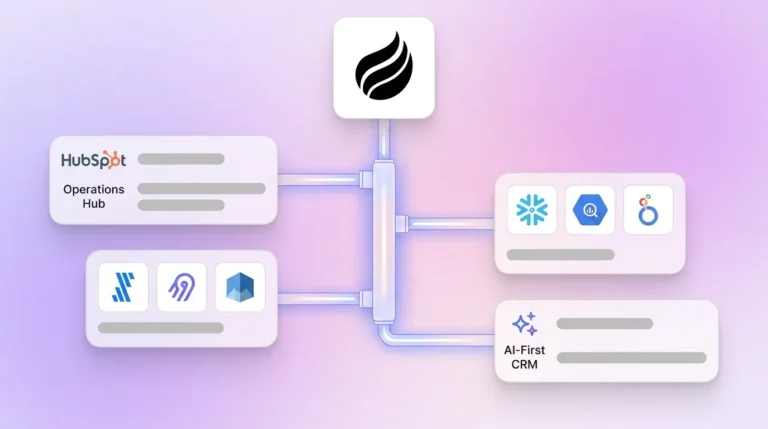
Either a standalone CRM (Coffee) or an existing Salesforce or HubSpot instance for the Coffee Companion App
7-Step Workflow to Automate Reminders and Follow-Ups for Sales Meetings
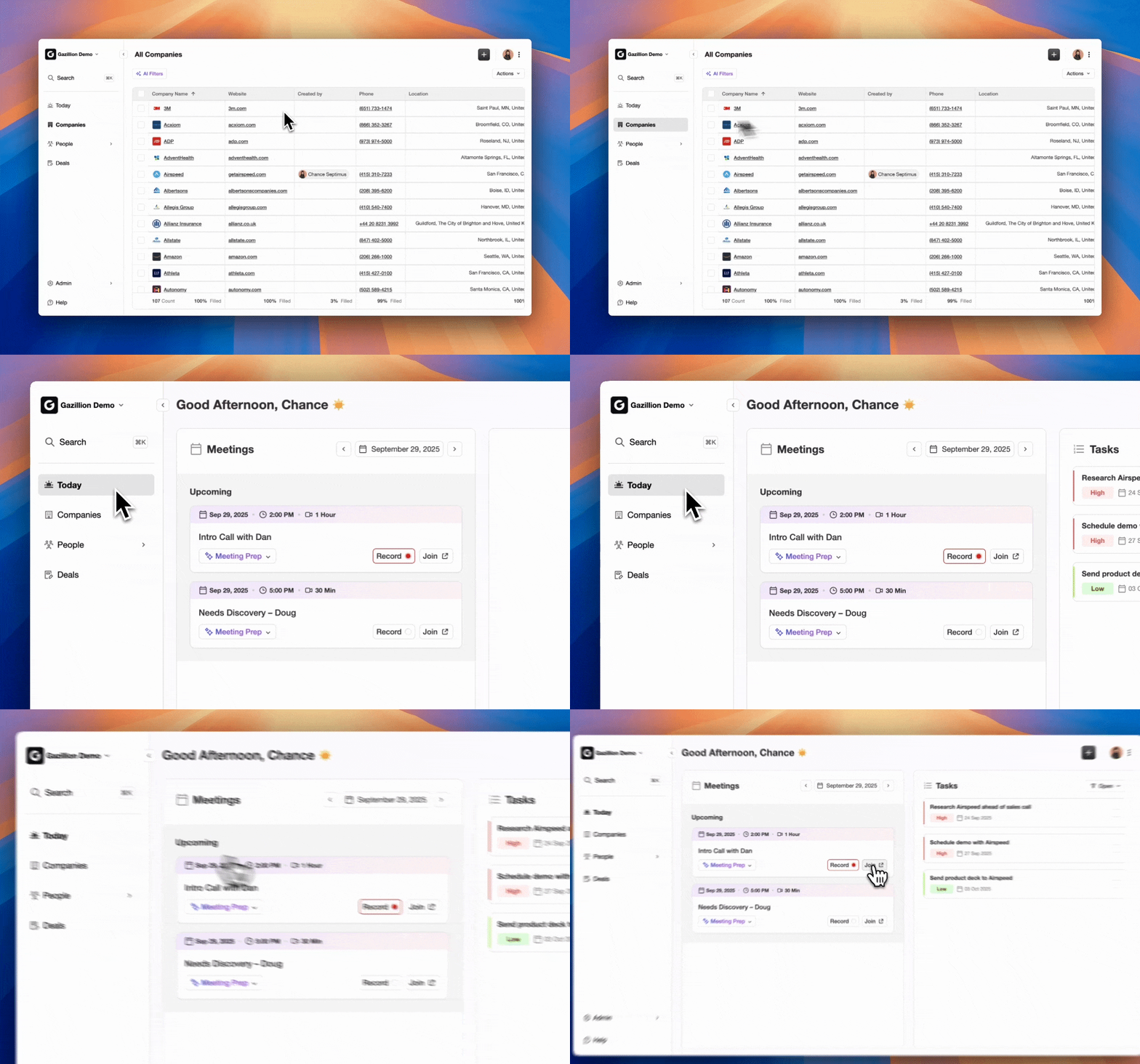
Connect the agent to email and calendar. Authenticate Coffee with Google Workspace or Microsoft 365. The agent immediately scans emails and calendar events to auto-create contacts, companies, and activity records. Zero-friction calendar and email integration logs every meeting and links every email to the correct contact or deal without manual data entry. For Companion App deployments, a simple OAuth connection allows Coffee to read and write back to Salesforce or HubSpot fields.
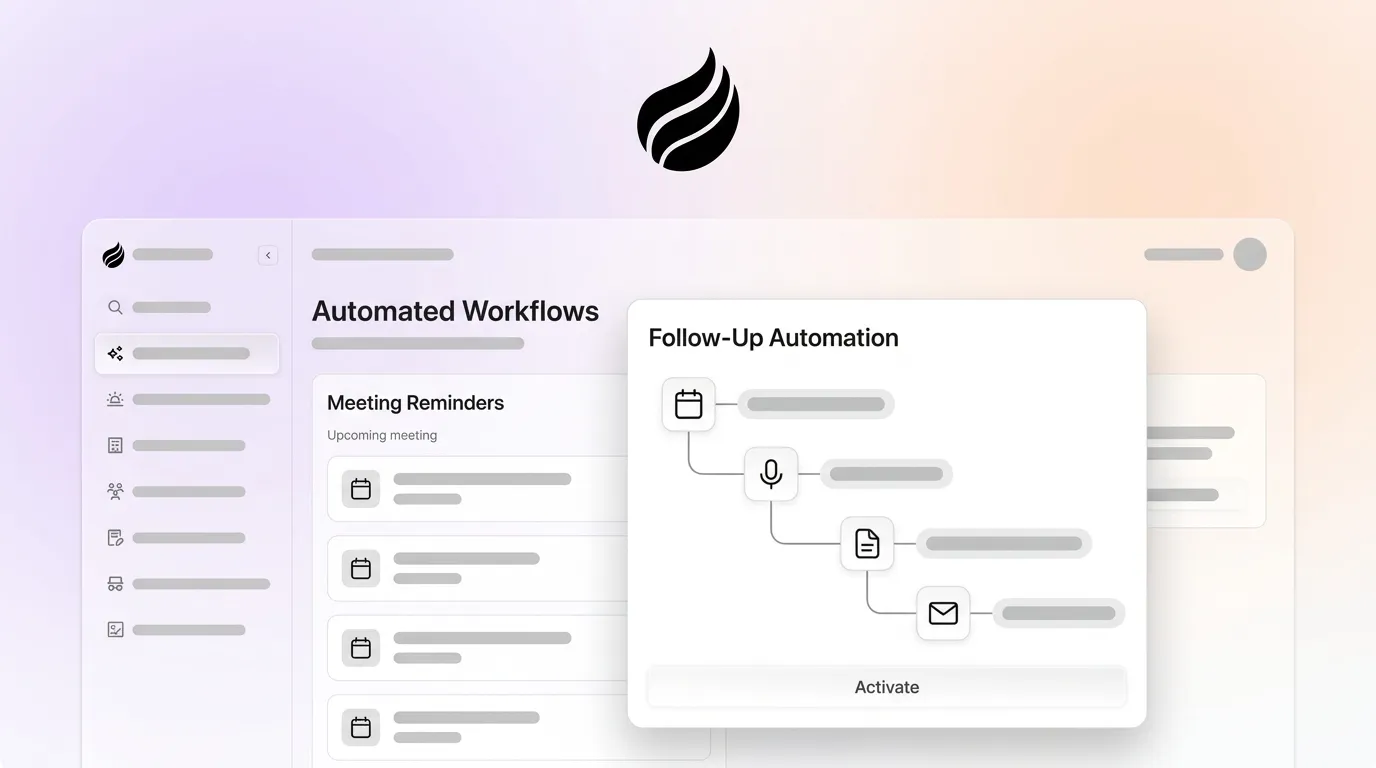
Configure pre-meeting briefing and reminder rules. Set the agent to deliver a briefing on each attendee, including role, prior interactions, and open action items, 30 minutes before every scheduled call. This preparation helps reps run sharper meetings and reduces last-minute cancellations. At the same time, configure a three-touch reminder sequence for prospects that includes an immediate booking confirmation, a 24-hour email reminder, and a 1-hour day-of reminder. This three-touch sequence can reduce no-shows compared to sending no reminders, and teams that send a 1-hour reminder often see better results than teams that do not.
Route next activities back into the pipeline view. The agent updates deal stages, logs the completed meeting as an activity, and creates the next scheduled task without rep input. Coffee’s Pipeline Compare feature then surfaces week-over-week changes and highlights progressed deals, stalled opportunities, and new additions so pipeline reviews become strategic rather than administrative.
How Coffee Uses Time-Based and Engagement-Based Triggers
Effective automated reminder and follow-up sequences combine both trigger types. The table below maps each trigger to its Coffee Agent behavior and the failure mode it prevents.
Average time-to-follow-up. Target under 2 hours post-meeting. Coffee’s agent drafts the email before the rep leaves the call, which removes the usual delay between meeting and response.
Weekly hours saved per rep. Coffee saves reps 8–12 hours per week by eliminating manual data entry, note-taking, and follow-up drafting. Baseline this before deployment and measure again at 30 and 90 days.
3–5 person founder teams (Standalone CRM). Coffee acts as the full system of record. The agent auto-creates contacts from Google Workspace or Microsoft 365, logs all activity, and runs the complete reminder and follow-up sequence without any CRM administration overhead. Founders get the pipeline intelligence of an enterprise stack without the manual maintenance burden.
6–12 person sales teams (Standalone CRM or Companion App). At this size, a sales lead or RevOps function should own sequence configuration. Define which rep owns each sequence stage, configure the agent’s escalation rules for stalled deals, and use Coffee’s Pipeline Compare to run weekly reviews without spreadsheet exports. Teams using AI meeting assistants can see improvements in stage-to-stage conversion rates and win rates.
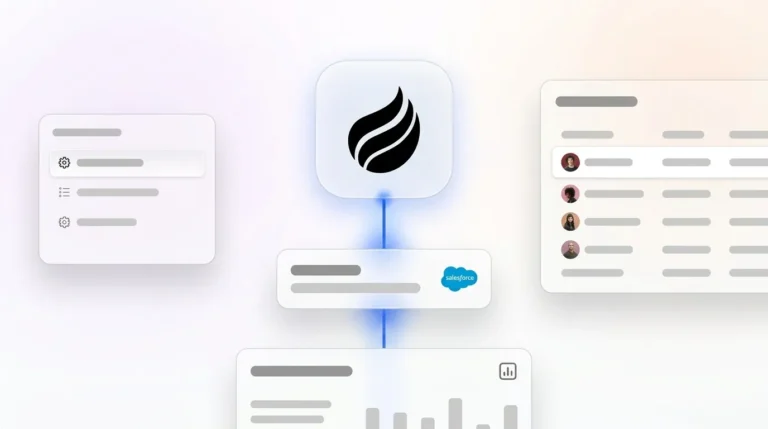
13–20 person organizations on Salesforce or HubSpot (Companion App). Deploy Coffee as a Companion App layer. A simple OAuth authentication allows the agent to read calendar and email data, enrich it, and write summaries, activity logs, deal stage updates, and follow-up tasks directly back to Salesforce or HubSpot. Coffee has deep knowledge of Salesforce and HubSpot field structures, required fields, quota logic, and forecasting hierarchies, which are areas where newer AI CRM tools frequently fail. RevOps retains Salesforce or HubSpot as the system of record while Coffee removes the manual data entry that degrades its accuracy.
Across all team sizes, the agent’s labor scales linearly with meeting volume. Adding headcount does not require reconfiguring sequences, because the agent handles each rep’s calendar and email independently from a single authenticated connection.
Frequently Asked Questions About Coffee’s Automated Sequences
How long does setup take?
For the Standalone CRM, most teams are fully operational within a single session. Connecting Google Workspace or Microsoft 365 takes minutes, and the agent begins auto-creating contacts and logging activity immediately. For the Companion App on Salesforce or HubSpot, setup involves an OAuth authentication and field mapping review. Teams with clean CRM data and standard field structures typically complete this in under a day. Coffee’s onboarding is designed for sales leaders and RevOps managers, not IT departments.
Who owns the sequences as the team grows?
Sequence ownership should be assigned explicitly as the team scales. For teams under five people, the founder or head of sales typically owns all sequence configuration. Between six and twelve reps, a dedicated RevOps or sales ops function should own trigger rules, cadence timing, and escalation logic. Above twelve reps, sequence governance should include quarterly reviews of trigger performance, drop-off points, and cadence timing adjustments based on pipeline velocity data. Coffee’s pipeline view surfaces the data needed for these reviews without requiring manual exports.
Is the agent secure?
Coffee is SOC 2 Type 2 and GDPR compliant. Data processed by the agent is not used to train public models. For Companion App deployments on Salesforce or HubSpot, Coffee uses least-privilege OAuth scopes, which means the agent reads and writes only the fields required for its defined functions. Teams in regulated industries or those with custom security review requirements should contact Coffee’s team directly to discuss their specific compliance posture before deployment.
How are reminders and follow-ups maintained over time?
The agent maintains sequences autonomously. Time-based triggers fire on schedule regardless of rep action. Engagement-based triggers fire when behavioral signals are detected. The agent suppresses outreach automatically when a prospect disengages for 14 or more days, which prevents over-messaging. For sequence quality, a quarterly review of trigger performance metrics such as task-to-response rate, time-to-follow-up, and no-show rate by source is sufficient to identify and correct underperforming steps. Coffee’s pipeline data surfaces these metrics without requiring a separate analytics tool.
Recap: 7 Steps to Eliminate No-Shows with Coffee
Manual sequences break because they depend on rep memory and available time. An AI agent removes both dependencies. The seven steps below form a complete, self-sustaining system:
Connect the agent to email and calendar via Google Workspace or Microsoft 365
Configure pre-meeting briefings and the three-touch reminder sequence, including immediate, 24-hour, and 1-hour reminders
Set the AI meeting bot to join and transcribe every call automatically
Define post-meeting summary and action-item extraction rules
Create both time-based and engagement-based follow-up triggers
Draft and queue personalized follow-up emails for one-click rep review
Route next activities and deal stage updates back into the pipeline view
Whether your team runs Coffee as its standalone system of record or deploys it as a Companion App on Salesforce or HubSpot, the agent handles every mechanical step in this sequence and keeps CRM data accurate while follow-up cadences run without manual rep effort.